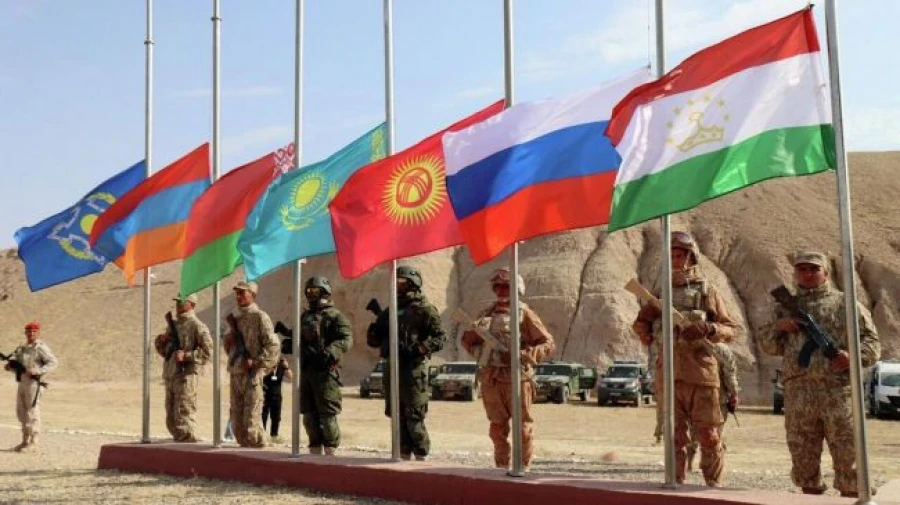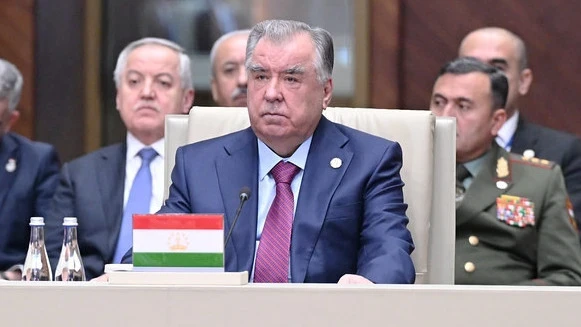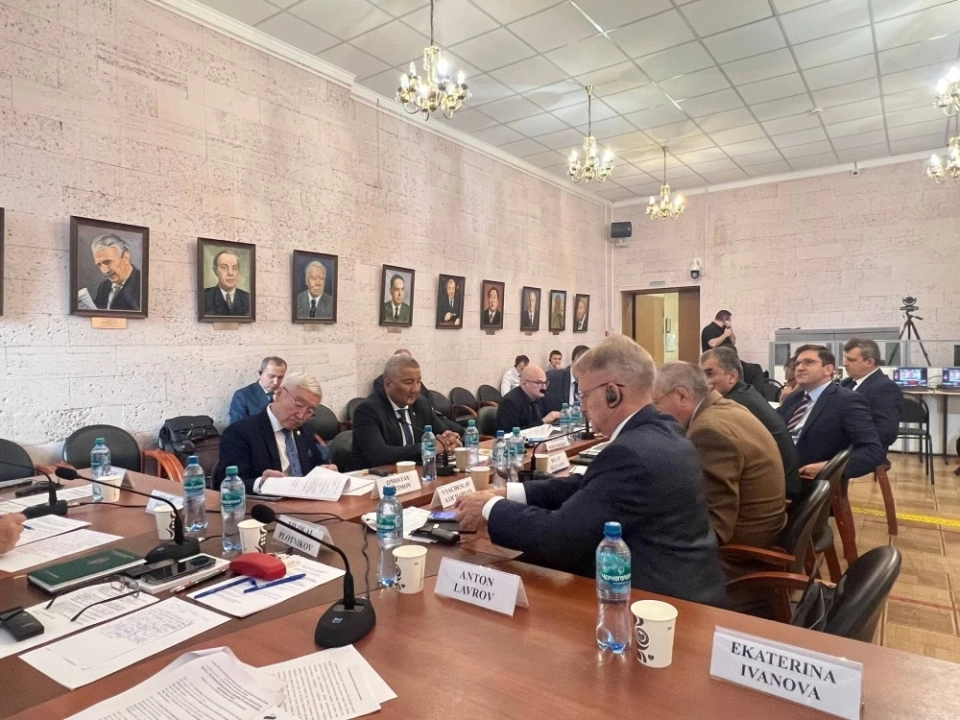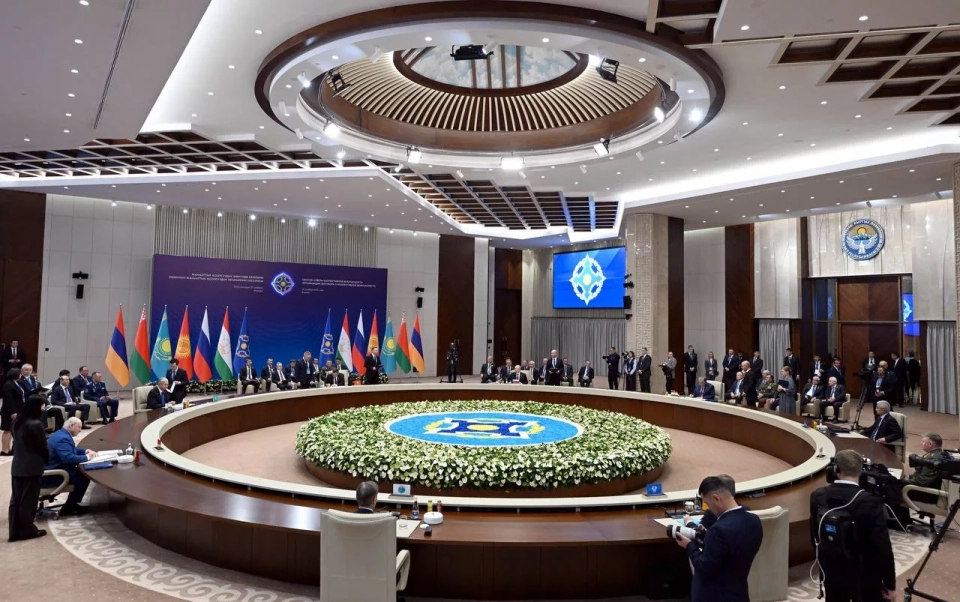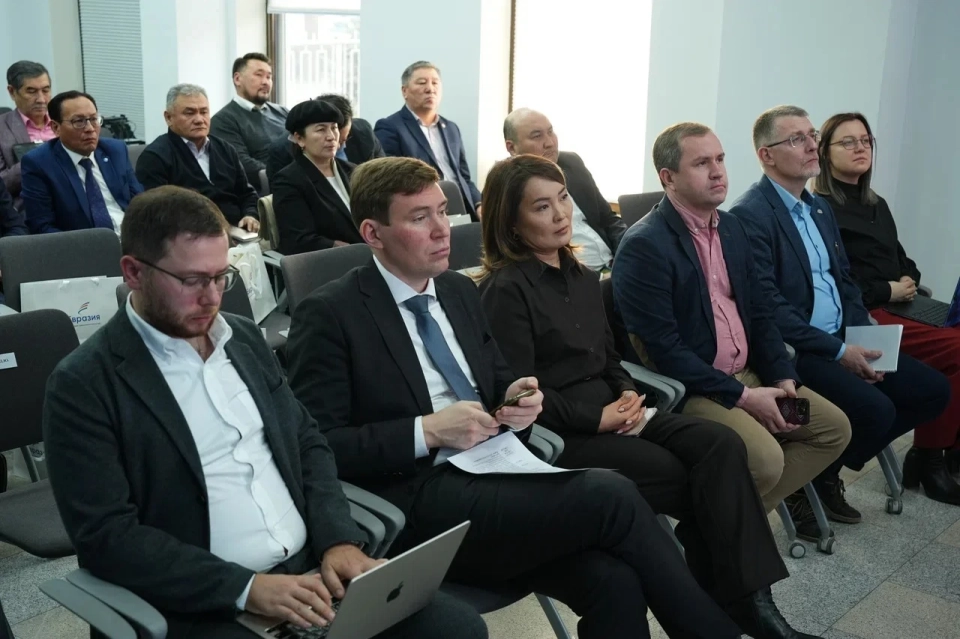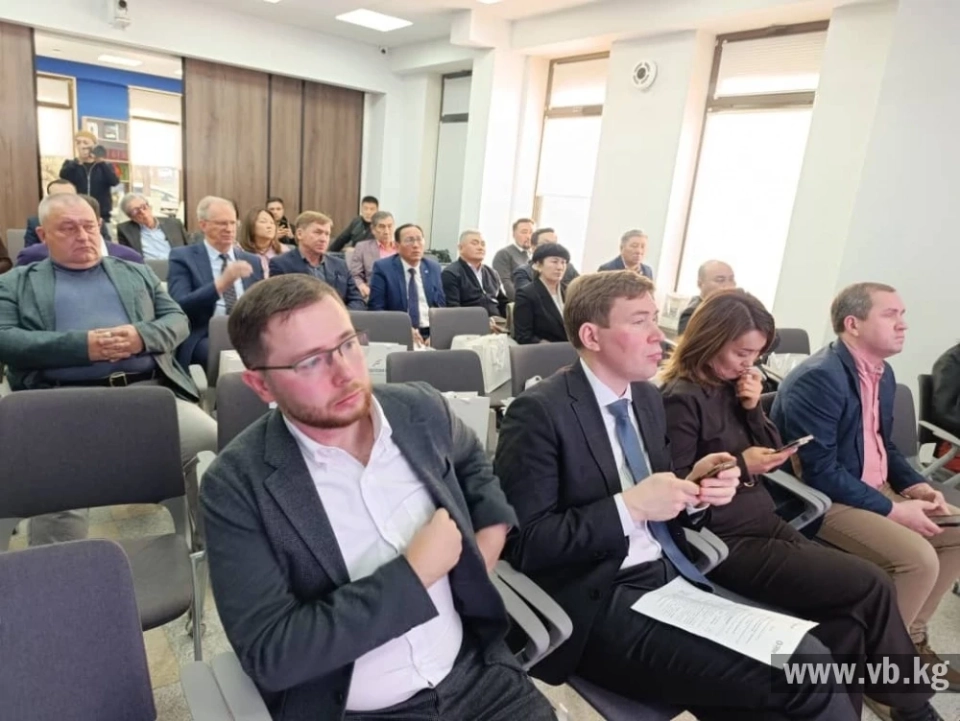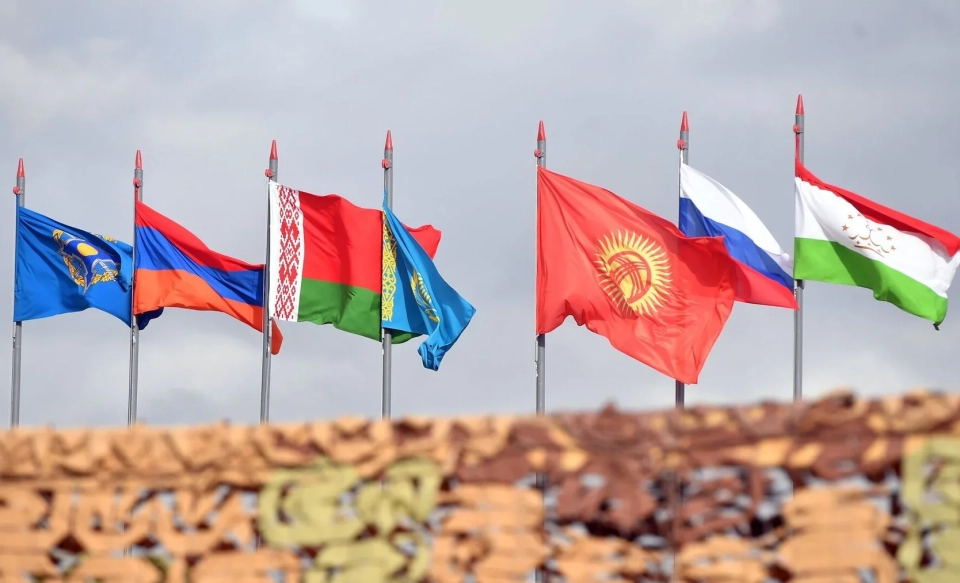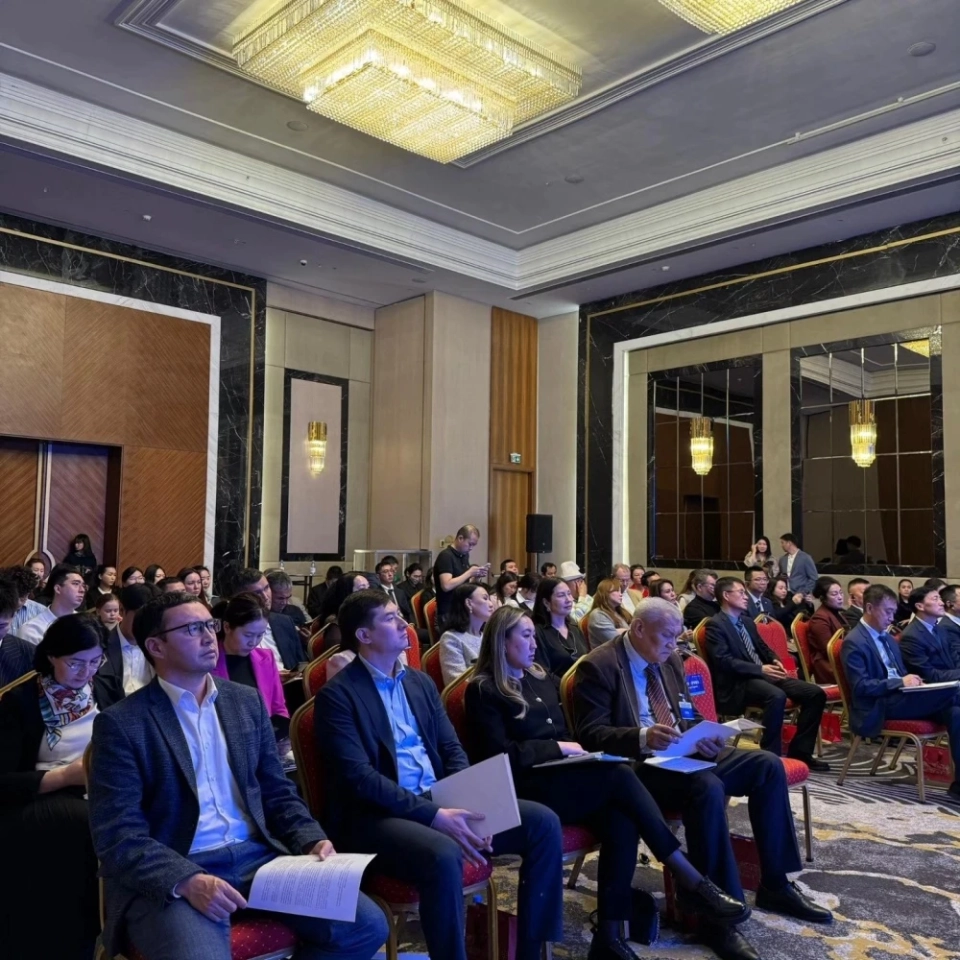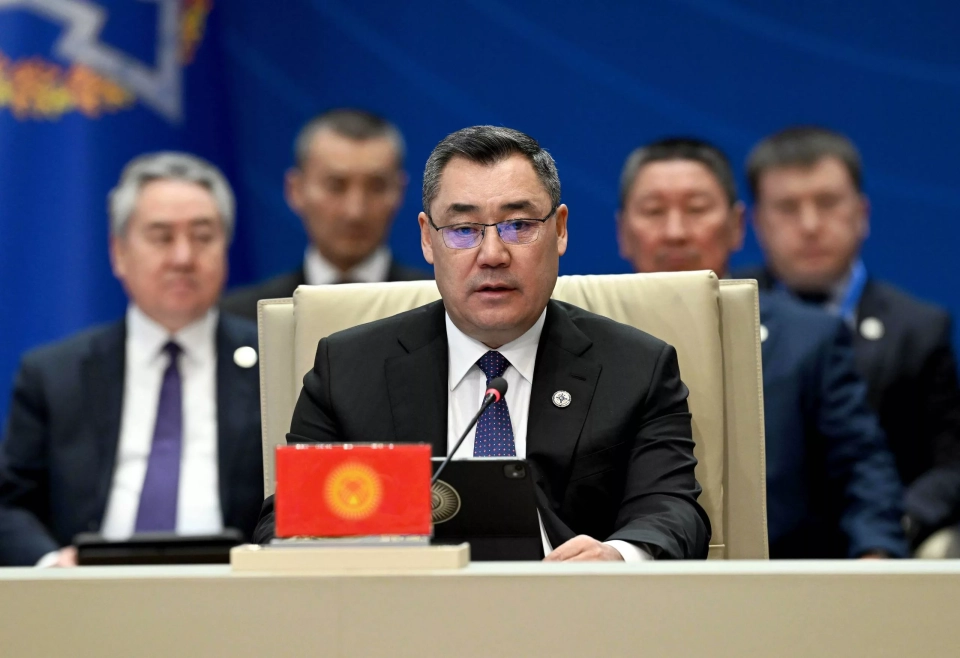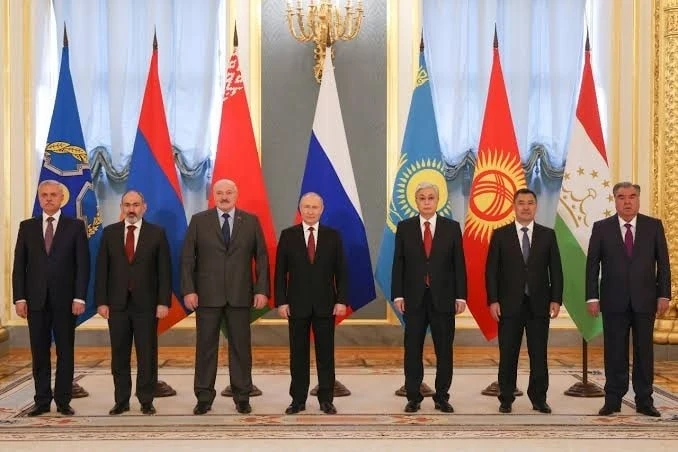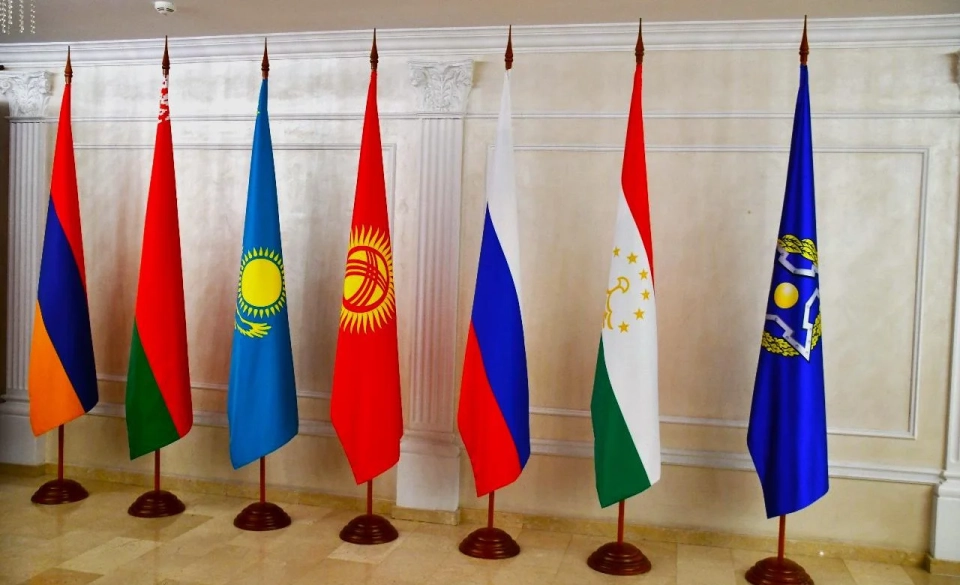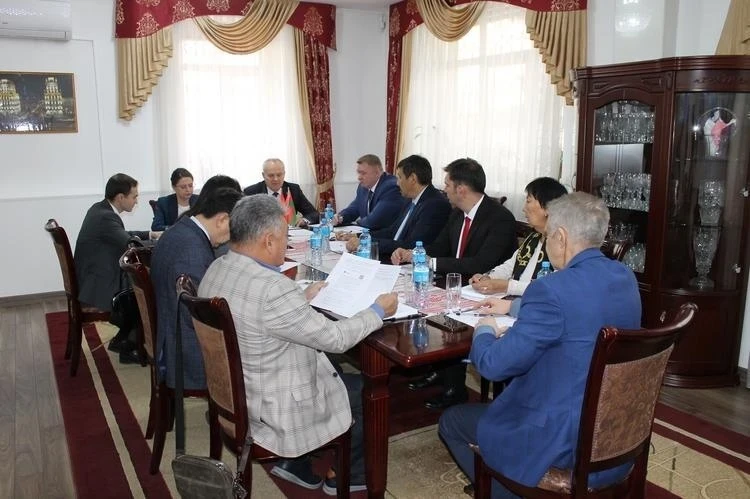
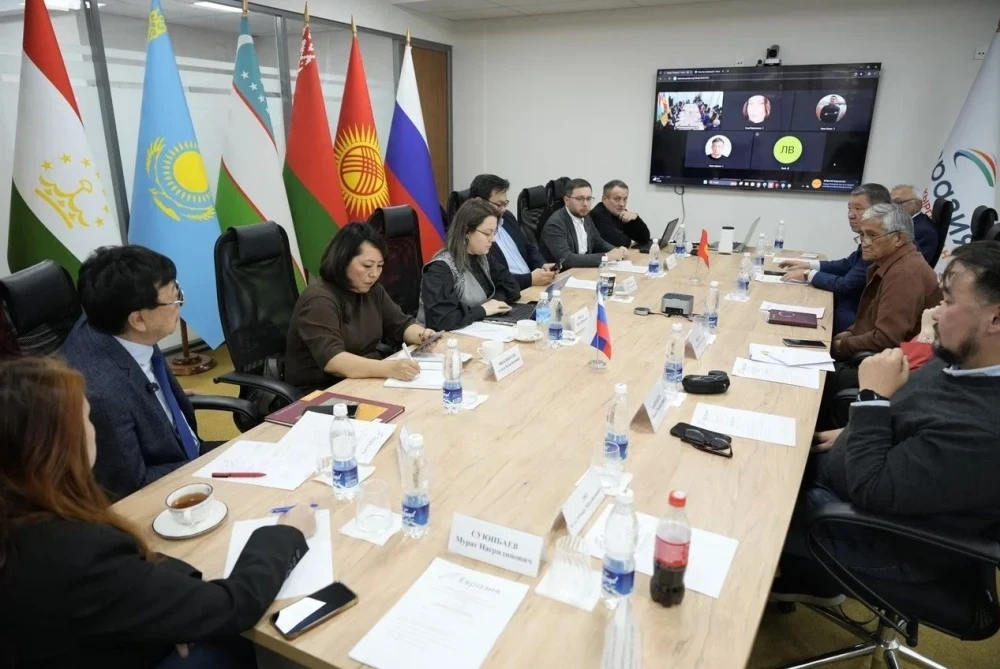
During the meeting, important issues concerning collective security, state sovereignty of Central Asian countries, as well as new cyber threats and information risks were discussed.
The participants emphasized the challenges reflected in the updated agenda of the CSTO, which affect the interests of the countries in the region. Transboundary threats related to instability in neighboring areas and the rise of extremist groups were discussed. Experts highlighted the need to revise response mechanisms and strengthen the collective security system.
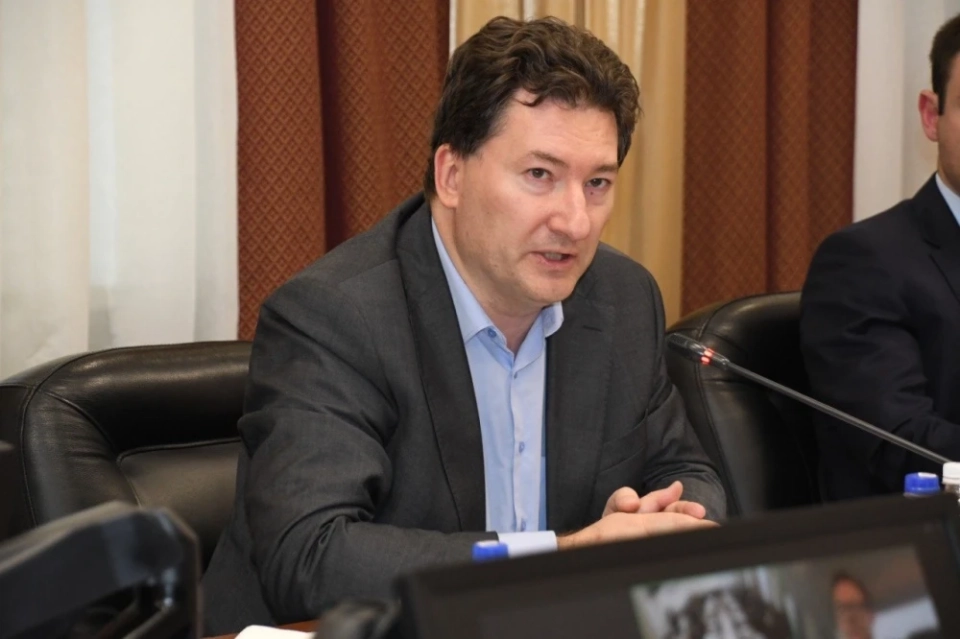
Semion Uralov, head of the Center for Expert Interaction and Modeling of the NGO "Eurasia," noted that security issues have transitioned into the realm of scientific-technical and humanitarian confrontation, encompassing all areas of life.
"Modern terrorism employs various technologies, including military, digital, and information-psychological methods. The CSTO must transform into a closer defense alliance, as the threat of war already exists at its borders in both Europe and Asia," emphasized Uralov.
Experts also analyzed how Central Asian states can maintain strategic autonomy amid growing pressure from external factors and geopolitical competition. Participants underscored the need for balancing the interests of major international players with the preservation of an independent foreign policy course. Attention was given to analyzing the CSTO's capabilities in combating cyberattacks, information operations, and other forms of digital pressure. Experts noted the importance of creating a comprehensive response system to cyber threats, including the development of monitoring centers, improving legislation, and expanding international cooperation in this area.
Within the discussion, strategies for digital sovereignty were examined—from protecting critical infrastructure to enhancing the technological independence of the states in the region. Participants highlighted that strengthening cybersecurity should become part of the overall set of measures to ensure national and regional sovereignty.
The discussion provided an open platform for exchanging expert opinions and analyzing factors affecting the long-term resilience of the region, as well as discussing ways to improve collective security mechanisms within the CSTO. Participants considered the organization's role in conflict prevention, stability enhancement, coordination of actions among member states, and prompt responses to modern threats.
As a result of the discussion, a number of proposals were formulated regarding the development of analytical interaction, the creation of expert platforms, and deepening the dialogue on security at national and regional levels.
About the organization:
The NGO "Eurasia" is an autonomous non-profit organization that promotes the development of international cooperation. It implements humanitarian projects funded by private means aimed at preserving traditional values and fostering interethnic communication. "Eurasia" supports socially significant initiatives, helping people from different cultures interact with each other. The main areas of work include educational programs, exchanges, and internships. In a year and a half since its establishment, "Eurasia" has united 100,000 participants from various countries, becoming a leading platform for humanitarian interaction in the Eurasian space.