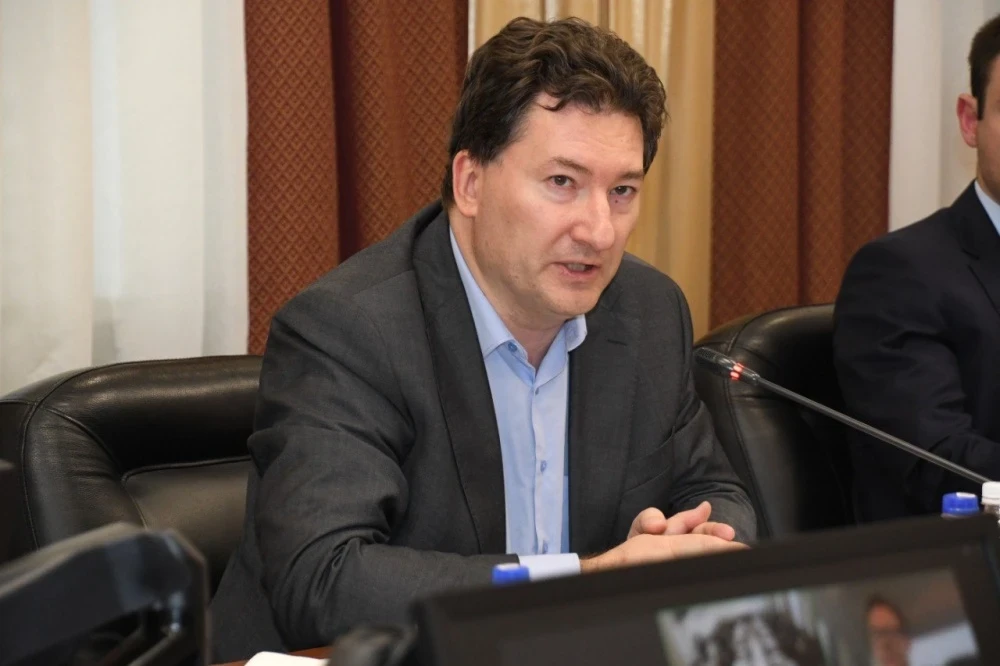
In his work, Golovnin emphasizes that the CSTO, in addition to military-political cooperation, faces the necessity of addressing issues related to economic security. Geopolitical and geo-economic aspects are becoming increasingly interconnected, and the need for economic security today is beyond doubt.
The analytical activities of the CSTO on economic issues are becoming more active. This, in turn, creates a certain parallel with the work of the Eurasian Economic Union (EAEU), which includes many CSTO member countries. However, each organization should maintain its unique area of responsibility: the EAEU focuses on integration interaction, while the CSTO emphasizes the prevention of threats.
The CSTO Secretariat actively collaborates with leading scientific institutions in the member states, including the Institute of Economics of the Russian Academy of Sciences, which aims to contribute to the study of problems arising from the fragmentation of the global economy and the interaction of post-Soviet countries with Russia.
Contemporary economic fragmentation poses significant challenges for national economies, including the rise of trade barriers and restrictions. These factors result from both geopolitical and economic interests of certain groups from developed countries.
Active geopolitical confrontation is occurring on the Eurasian continent, affecting the interests of CSTO countries. New centers of economic and political activity are emerging, among which Turkey, Iran, and India stand out, which also influences economic ties in the region.
For Russia, CSTO countries play an important role in ensuring economic security. Belarus, for example, is not only an ally but also a key economic partner. CSTO countries are becoming important markets for Russian goods, thanks to preferential trade conditions and similar consumer preferences.
Exports from Russia to the CIS countries have increased in recent years, confirming the growing interdependence. An increase in trade turnover is also observed in imports, demonstrating Russia's growing connectivity with post-Soviet states.
Transport corridors play a key role in the economic interaction of CSTO countries. Given their strategic location, it is important to develop transport infrastructure, which contributes to both economic growth and security in the context of existing geopolitical risks.
Among the main tasks of transport cooperation are: increasing export opportunities, generating transit revenues, reducing geopolitical risks, and attracting funding for infrastructure development.
Transport cooperation is also part of the integration initiatives of the EAEU, facilitating the development of ties with third countries. For example, the Caspian Sea could become an important hub for the international transport corridor "North-South".
Moreover, the security of transport infrastructure has become particularly relevant in light of recent attacks on facilities in various countries. This underscores the need to protect economic ties and transport communications.
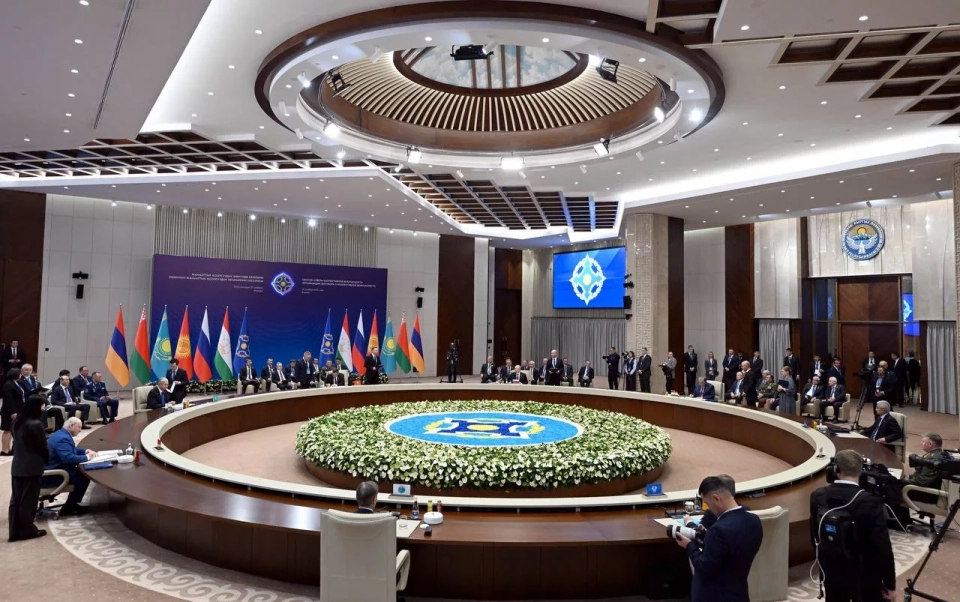
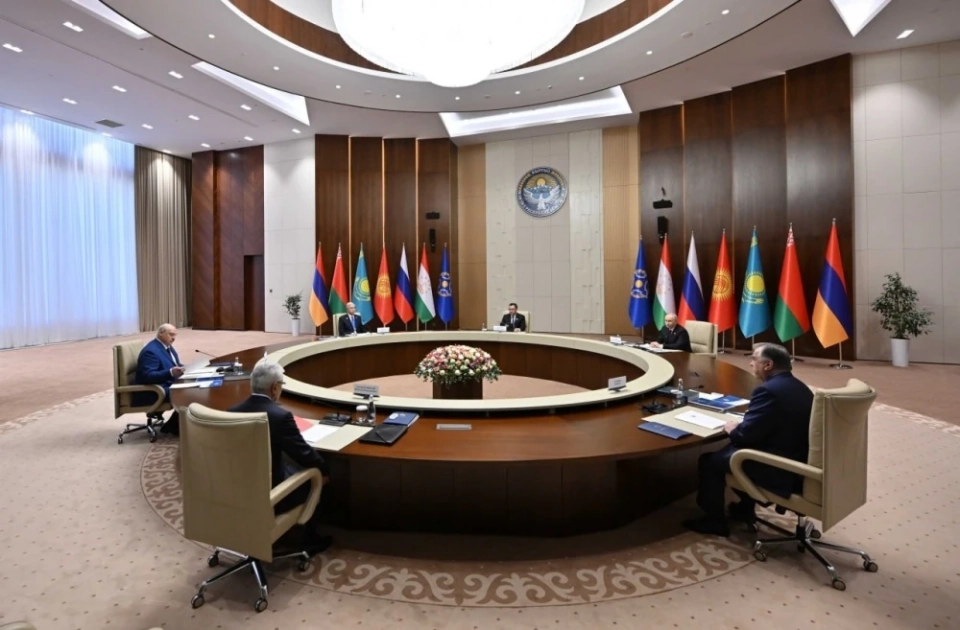
In the context of escalating geopolitical confrontation, the CSTO faces new tasks related to collective security and economic interaction. The development of analytical work within the organization aimed at responding to new challenges will contribute to strengthening the positions of member states in contemporary realities.
Golovnin notes that strengthening the positions of CSTO countries as key economic partners of Russia under sanctions pressure highlights the importance of their role in the international economy, as well as the need for further development of interaction that goes beyond mere commodity exchange.
The article emphasizes the growth of trade turnover, the strategic role of transport corridors, and the tasks of protecting mutual economic interests. Deepening integration implies the creation of joint production chains and a scientific-production context, which also contributes to strengthening collective security.