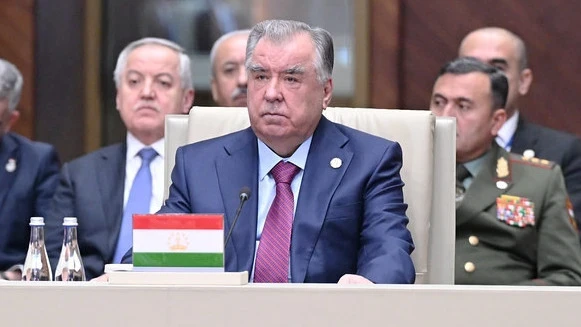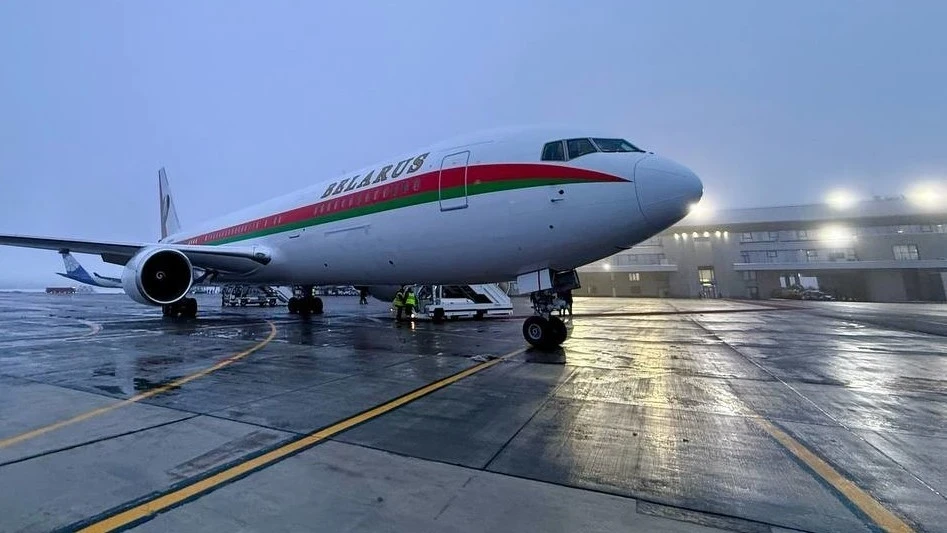
At the end of October 2023, Minsk hosted the third international conference dedicated to Eurasian security issues, titled: "Global World (Dis)Order and the Puzzle of Eurasian Security." This significant event gathered high-ranking representatives from 48 countries, including foreign ministers, scholars, and experts, among whom were participants from the Eurasian Studies Center "Oi Ordo." Representatives from international organizations such as the CSTO, SCO, and IOM also attended the conference.
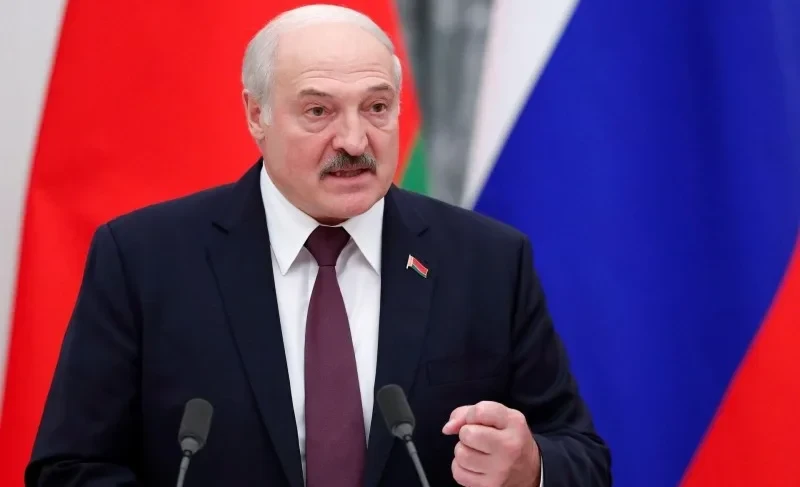
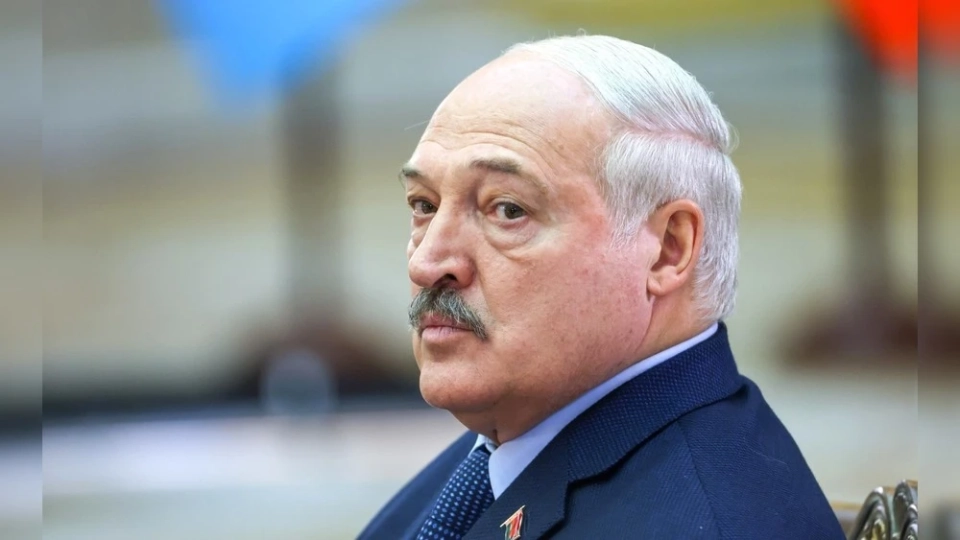
Belarusian President Alexander Lukashenko noted that the security situation requires active discussion, adding that each year the Minsk conference attracts more participants and becomes an important platform for open discussions on key security issues on the Eurasian continent.
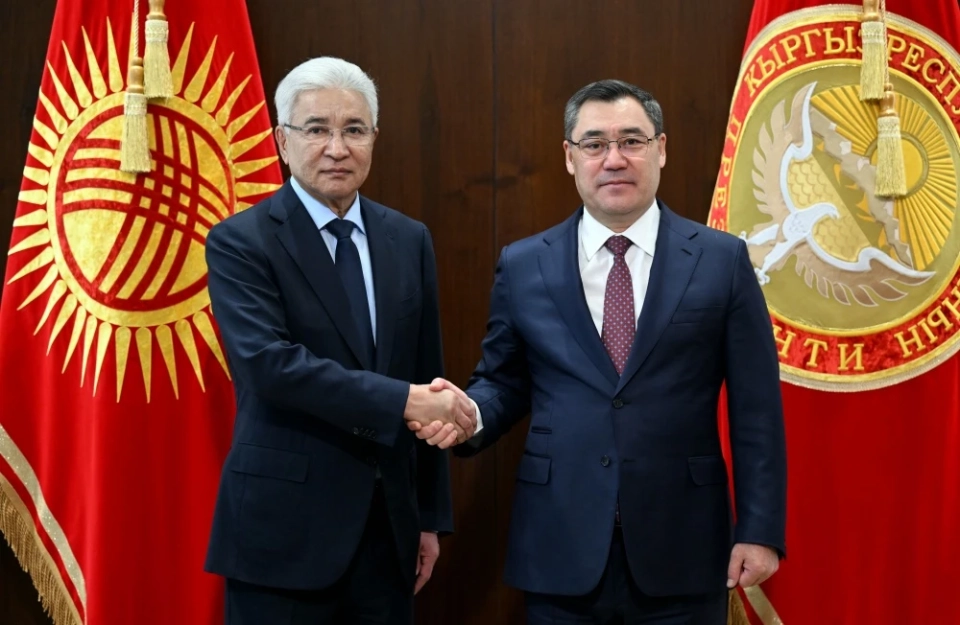
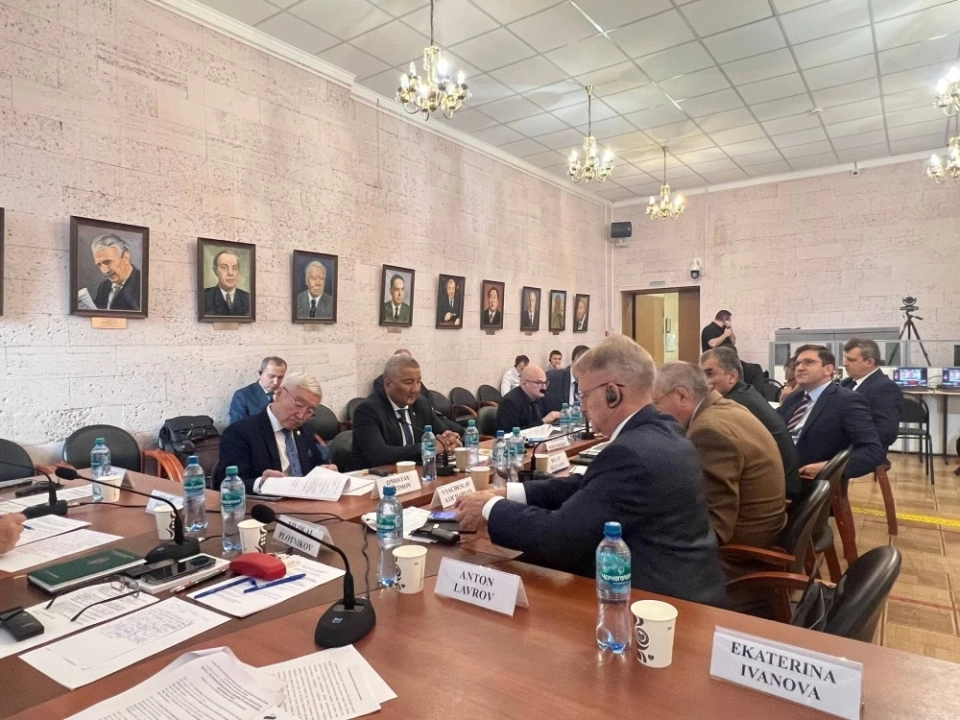
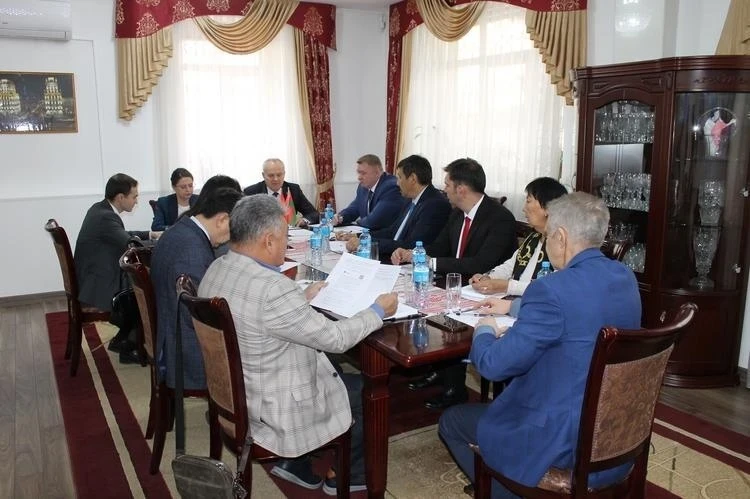
In Bishkek, within the framework of a round table organized by "Oi Ordo," discussions were held on the formation of a new security system in Eurasia based on trust and cooperation, as well as the importance of the Eurasian Charter of Diversity and Multipolarity in the 21st century.
Sergey Molunov, the Belarusian ambassador to Kyrgyzstan, emphasized the instability of the current international situation, both geopolitically and economically. He cited the absence of three world leaders at the recent G20 summit in South Africa as a troubling signal for the Bretton Woods system.
- We are witnessing colossal debts, which, by various estimates, reach between 102 to 300 trillion dollars. These figures indicate that huge sums of money are circulating, but the real economy is far from being as successful. Countries with real economic potential will be better able to withstand the upcoming financial crises, - he added.
Although the topic of Eurasian security may seem insignificant against the backdrop of global problems, it is this region that is becoming the center for shaping the world agenda in both economics and politics. Major countries such as Russia, China, and India are located here.
The idea of holding the conference did not arise by chance but was dictated by the real situation in the world. Belarus proposed to discuss pressing security issues, as international structures like the UN and OSCE do not always cope with the tasks at hand. Molunov noted that the OSCE has become politicized and now only provokes conflicts, highlighting the need for its reform.
At the conference, issues of the Charter of Diversity and Multipolarity were discussed, emphasizing the importance of open dialogue and interaction in the face of global challenges. Ekaterina Chistova, the advisor-ambassador of the Russian Embassy in Kyrgyzstan, noted that the Minsk platform has confirmed its significance for strategic analysis of the situation in the Eurasian region.
Chistova emphasized that in the context of growing conflict potential, it is important to strive for cooperation; however, this is not happening in practice, as evidenced by the example of the hybrid war against Russia. She noted that NATO continues its destructive policy, attempting to expand its influence in various regions, including Asia.
From time to time, the question of creating a large Eurasian partnership arises, the concept of which includes the liberalization of trade and economic ties. Chistova thanked Belarus for supporting this idea, emphasizing that it could create a reliable economic foundation for the architecture of Eurasian security.
In turn, Natalia Kreck, the deputy director of "Oi Ordo," noted the high quality of the conference organization and the active participation of representatives from 48 countries. She also pointed out that trust between states in Central Asia is currently a problem. In particular, three out of five republics in the region are members of the CSTO, which creates complex inter-state interactions.
Kreck mentioned that Hungary, as an observer in the Organization of Turkic States, supports Russia and its allies, despite remaining a NATO member. This creates complex geopolitical conditions and may lead to a decrease in the level of trust in the region.
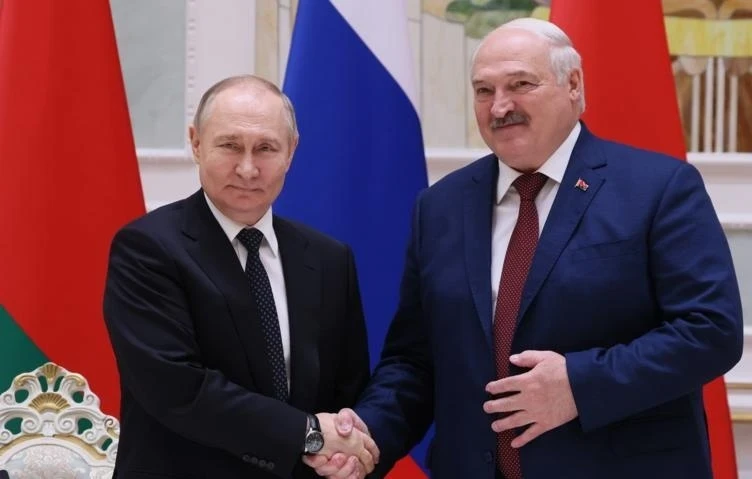
All ongoing processes in the region involving Turkey, the USA, and their allies are aimed at destabilization and fragmentation, which threatens security. The Charter of Diversity and Multipolarity, initiated by Belarus and Russia, could play an important role in strengthening trust and security in Eurasia. The document is expected to be ready for signing next year, and all countries on the continent will be invited to join.