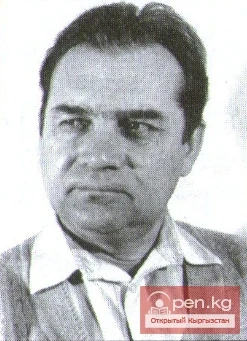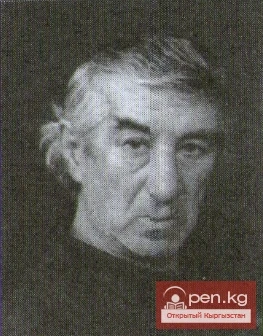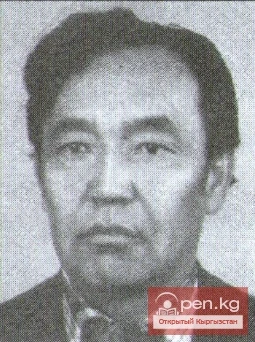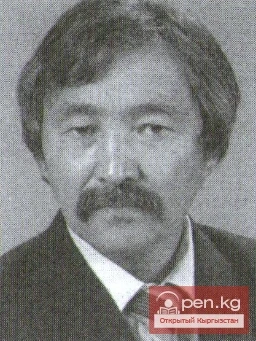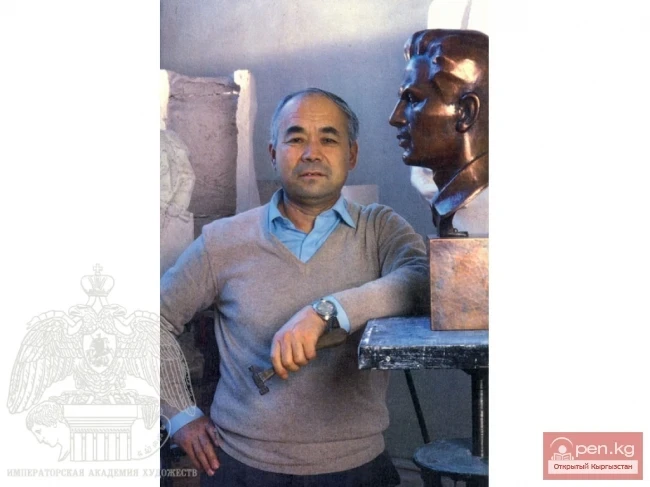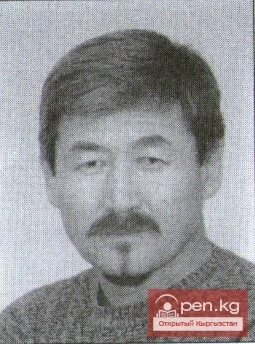
A distinctive master of portrait is 3. Khabibulin.
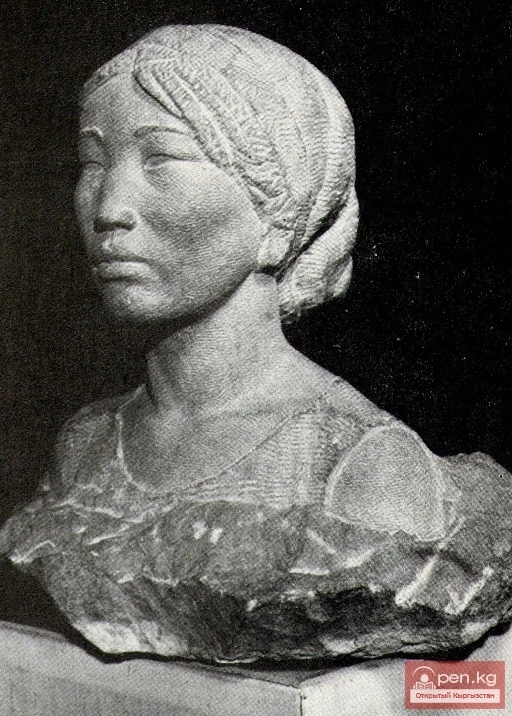
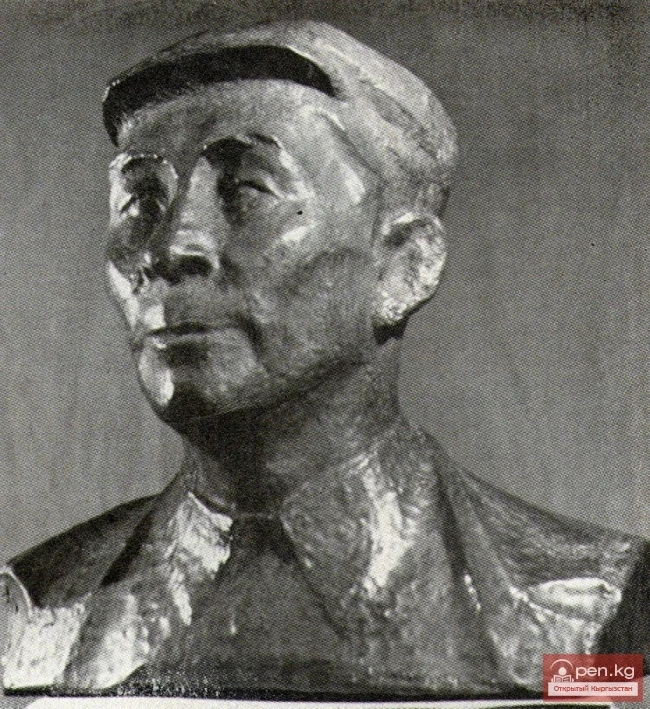
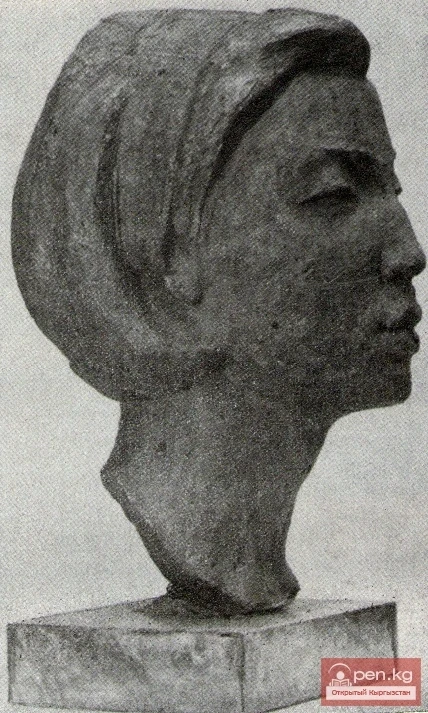
His portraits are characterized by compositional and plastic variety, precision in conveying the emotional states of the subject. As a rule, the representativeness of the model does not matter to him. Often, his portraits are nameless, or their names add nothing to what the sculptural form itself conveys. They are appealing due to the subtle flow of the emotional life of the portrayed and less often due to an elaborated psychological characterization. The sculptor knows how to see the model in his own way, revealing something deeply personal within it. The portrait works of Khabibulin, devoid of external flamboyance, are quiet, yet sincere and plastic. An example is the early portrait "Isken" (1966, plaster), where the modeling is strict, concise, yet soft and alive. The expressiveness of the image is achieved here through delicate volume decisions, nuances of rhythmic modeling of the face, and its slight mobility. The barely noticeable asymmetry of the eyes and cheekbones, the slightly curved mouth, and the slightly disrupted muscle proportions — and the portrait lives its own special emotional life. The world of immediate feelings and experiences of a person is revealed in the works "Portrait of a Girl" (1972, wood), "Portrait of a Young Man" (1977, stone), "Portrait of a Student" (1977, bronze), "Head of a Young Man" (1977, bronze).
In recent years, two lines have developed in Khabibulin's portrait work. One is associated with purely emotional, immediate perception of nature, while the other deals with the complexity of psychological tasks in portraiture. "Gulsara" (1982, chamotte) and "Female Portrait" (1982, chamotte) are typical mood portraits for Khabibulin, where the emotional impulse of the author himself dominates, finding resonance with his state and feelings in the model. Thus, in the sunny and impressionistic "Female Portrait," the image of a Kyrgyz peasant woman is experienced by the artist as a manifestation of the inseparable connection between man and the natural element. A different, deeper human essence emerges in the figurative portrait "Gulya" (1978, bronze). In a strict, self-contained form, the image of a nervously and sensitively feeling teenager is revealed. The angular figure of the girl sitting on a chair is sharply silhouetted, internally tense. The face is worked on with restraint but with a richness of shades conveying the turmoil of feelings in the youthful formation of a person. The sculptor delves into the depth of human character in the portrait "Pasha" (1982, bronze). In the ordinary face of the portrayed, he captured and conveyed something special — a restless movement of feelings, a peculiar emotional structure of a strong, kind, but emotionally uneven person.
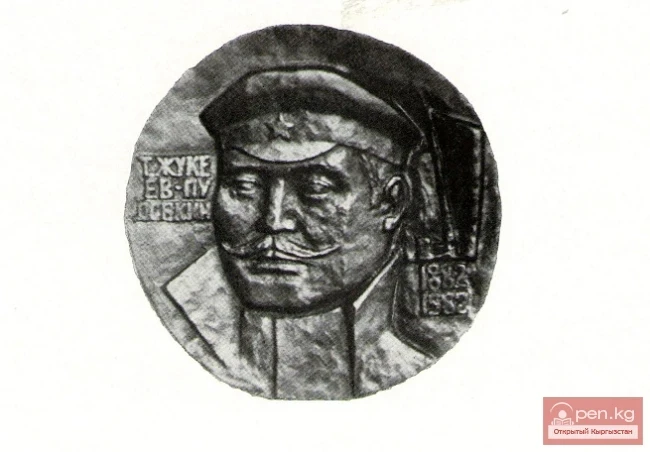
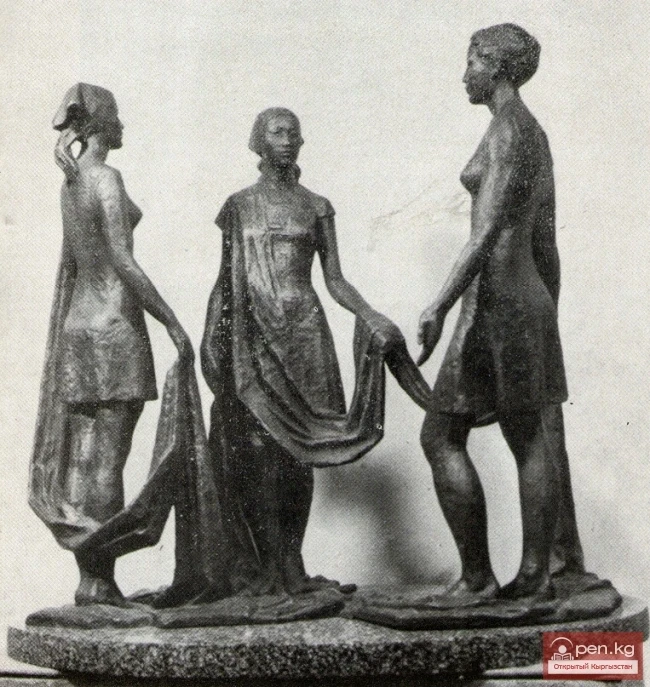
Another, artistic side of Khabibulin's talent as a portraitist is expressed in small figurative representations that embody images of contemporary small-form sculpture. In such miniatures as "Kaplyansky" (1972, chamotte), "Kamensky" (1972, chamotte), "Sculptor Burlin" (1980, bronze), "Morning. Gapar Aitiev" (1980, chamotte), the sculptor demonstrates a vividly imaginative vision of human individuality, showcases the sharpness of plastic characteristics, the brilliance of compositional mastery, and a sense of the expressive possibilities of the material.