Initially, the subvariant of the H3N2 strain was recorded in Australia and New Zealand, followed by cases in Japan and the United Kingdom, and currently, this virus has been registered in more than 30 countries worldwide.
This subvariant was previously encountered quite rarely, leading to an insufficient level of immunity in the population. In the UK, thousands of patients are admitted to hospitals weekly with a diagnosis of influenza.
What is the mutation of the H3N2 influenza virus
Influenza viruses are constantly mutating, and specialists closely monitor these changes to create new effective vaccines.
Mutations are usually small, but sometimes significant changes occur, as in the case of H3N2, which, according to Derek Smith, director of the Cambridge University Pathogen Evolution Centre, has undergone seven mutations.
"This strain is likely to spread worldwide," predicts Professor Smith.
How much more dangerous is this strain compared to others
People have encountered the H3N2 subvariant infrequently in recent years, and as a result, they have not developed a robust immunity. Although the symptoms of the new influenza may not be more severe than those of other strains, a larger number of people are susceptible to infection.
Some carriers of the virus may not experience symptoms; however, most develop fever, body aches, and rapid fatigue. For the elderly and those with other illnesses, this virus can be fatal.
"This is a virus we haven't seen in a long time. The dynamics of its spread are unusual," says Nicola Lewis, director of the World Influenza Centre at the Francis Crick Institute. "I'm not in a panic, but I am concerned."
How to distinguish influenza from a cold and COVID-19
The symptoms of a cold, influenza, and COVID-19 can overlap, but there are also differences that can help determine what you are dealing with.
A cold typically starts gradually and presents with a runny nose and sore throat. Influenza, on the other hand, begins suddenly and is accompanied by a high fever, aches in various parts of the body, and weakness.
The symptoms of COVID-19 are similar to those of influenza, but a key difference may be the loss of taste and smell, as well as severe sore throat and diarrhea.
How to protect yourself from influenza
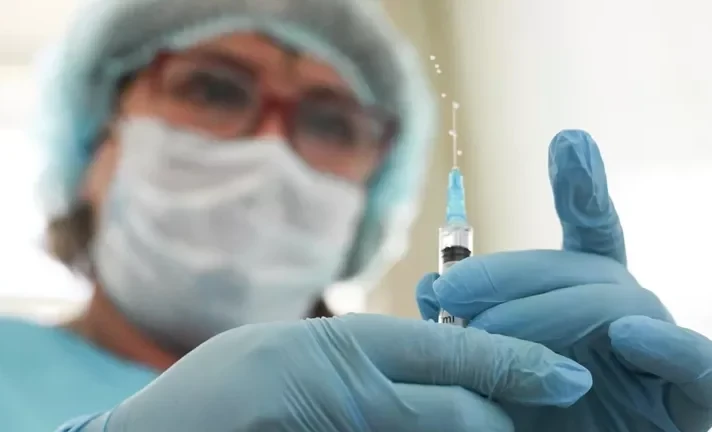
The most effective way to prevent influenza is vaccination. However, existing vaccines may be less effective against the new variant of the virus.
"Although any protection is better than none, this year, it seems we will have less protection than in previous years when vaccines were more adapted to the virus," noted Professor Christophe Fraser from the Pandemic Institute at Oxford University.
According to Nicola Lewis, the viruses of subvariant K that are currently circulating have some differences in antigens from previous strains, so if you have not received a new vaccination this year, the likelihood of severe influenza increases.
The main benefit that the existing vaccine can provide, according to specialists, is the mitigation of symptoms and slowing the spread of the virus.
Quarantine measures also help contain the spread of the virus. In Japan and England, for example, some schools have already been closed.
Additionally, on a personal level, it is important to follow proven rules: when sick, cover your mouth and nose with a tissue when coughing or sneezing and try to stay home.
Patient flow in UK hospitals
In England, where nearly 59 million of the approximately 70 million residents of the United Kingdom live, an average of 2,660 people per day sought hospital treatment for influenza in the first week of December.
According to data from the English division of the National Health Service, NHS England, this is a 50% increase compared to the last week of November, and after December 7, the number of cases continues to rise, with the peak still far off.
Medical forecasts suggest that by December 14, the number of daily cases may reach 5,000 to 8,000, while the record for seasonal influenza in England is 5,400 cases per day.
The number of cases is also rapidly increasing in other regions of the United Kingdom, including Scotland, Wales, and Northern Ireland.
Mandatory mask-wearing has been introduced in many hospitals and schools in the UK.