According to the proposal published by the Cabinet of Ministers, the following is suggested:
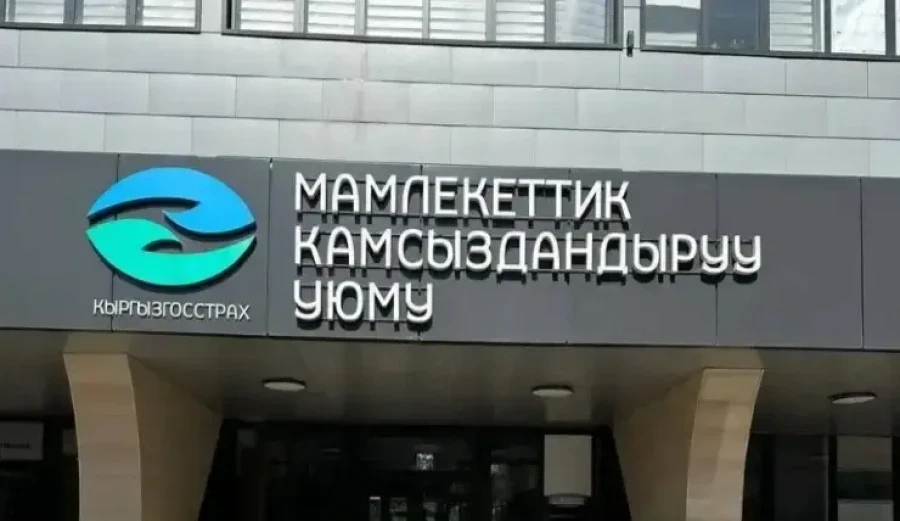
- GSO will become the national reinsurance operator;
- insurance companies will be required to transfer at least 10% of their risks to GSO, with the prospect of increasing this share to 50% in subsequent years;
- all risks that are to be transferred to the Eurasian Reinsurance Company (ERC) will be directed through GSO;
- a new regulation on the national reinsurance operator has been developed, which defines the legal and organizational aspects of its activities.
In its official comment, the IBC points out that the project creates a quasi-monopoly situation with a mandatory "right of first refusal" and centralized underwriting.
“This will replace market mechanisms for risk management with bureaucratic processes, increasing regulatory risks and strengthening the dependence of the entire insurance market on a single state operator,” the organization emphasizes.
Main comments from the IBC:
- Inefficiency
- System vulnerability
- Conflict of interest
- Supervisory powers
- Risks for fronting and obligatory contracts
- Unrealistic timelines
The IBC emphasizes that this model has been borrowed from sanctioned countries (Russia, Belarus), where access to global markets is restricted. Kyrgyzstan does not face such restrictions, so the project is excessive and could cause harm.
“The project does not achieve its stated goals, creates systemic risks, undermines competition and diversification, and threatens economic security. The Council proposes to withdraw the document and revise the presidential decree so that the concept aligns with the current challenges of the insurance market. The development of national reinsurance capacity is not possible through administrative centralization and monopolization. It can only be achieved by maintaining market mechanisms, a competitive environment, trust among market participants, and predictable regulation, which is a necessary condition for the sustainable development of the insurance market and the economy of Kyrgyzstan as a whole,” the IBC concluded.