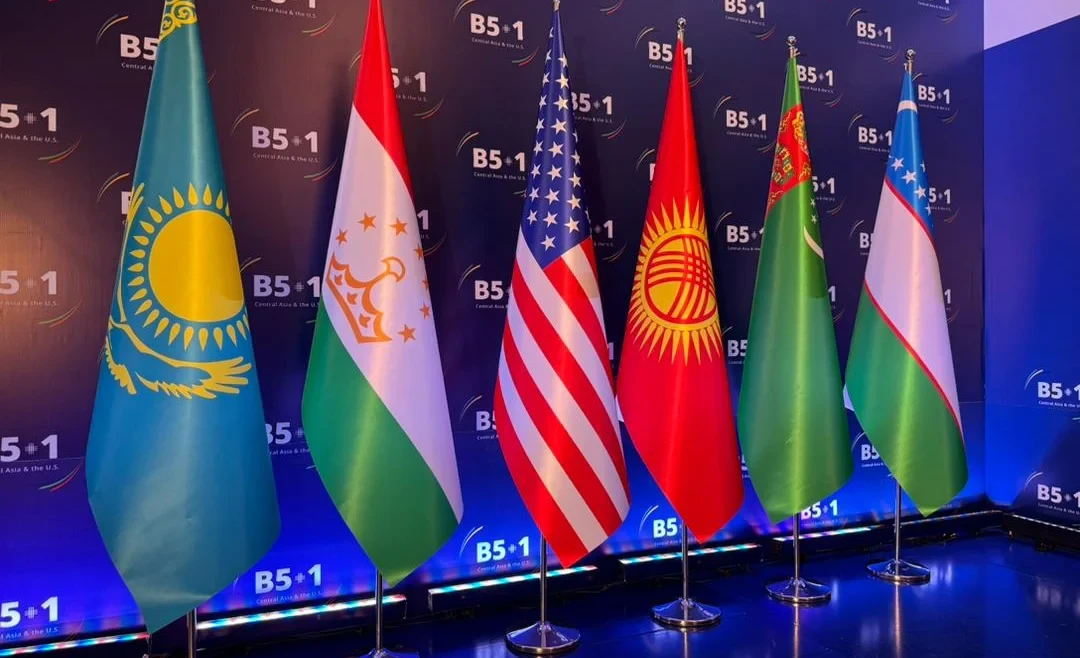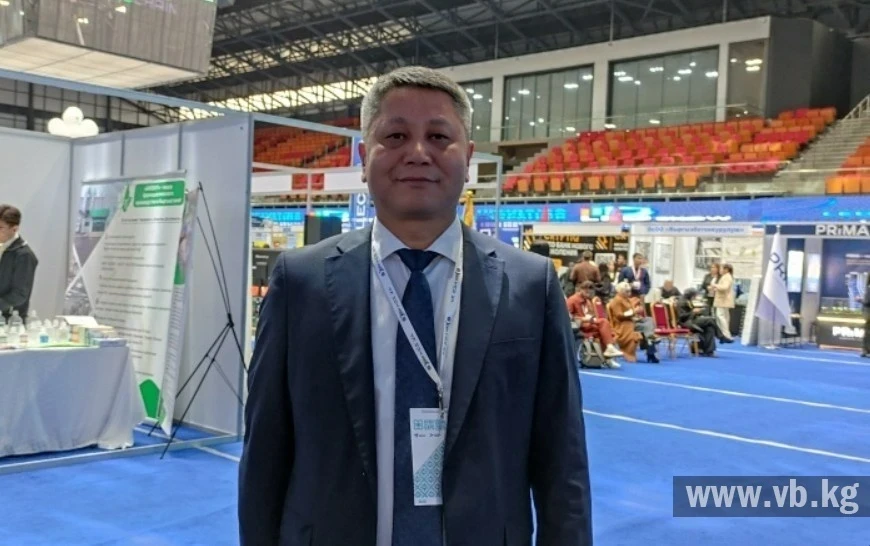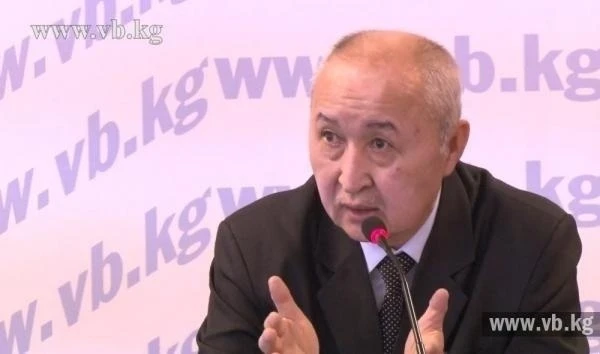
At the B5+1 forum, the most important aspects of economic cooperation between Central Asian countries were discussed. Uluk Kydyrbaev, Secretary of the Investment Council, noted in an interview with VB.KG that this is not just about trade, but about comprehensive interaction that can elevate the region to a new level.
According to Kydyrbaev, the key to success lies in combining various resources: technologies, knowledge, production capacities, and capital. Different countries have their strengths—some have modern equipment, others possess unique natural resources, and yet others have financial instruments. The main task is to effectively connect these elements into a unified system.
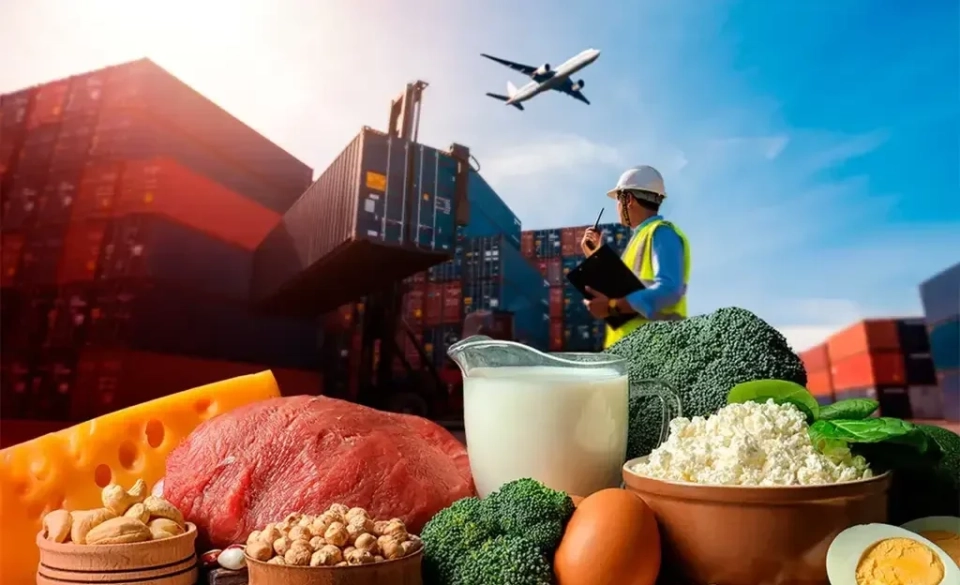
One of the main aspects of this strategy is the need to transition from raw material exports to the production of goods with high added value. Central Asia must stop being just a supplier of cheap resources and start offering the world unique certified products that meet the highest international standards.
"Cooperation can take various forms: access to technologies, joint production, knowledge exchange, and of course, financial support. Some countries have technologies, others have production capacities, and yet others have capital resources. It is important to understand how to connect these elements," the expert emphasized.
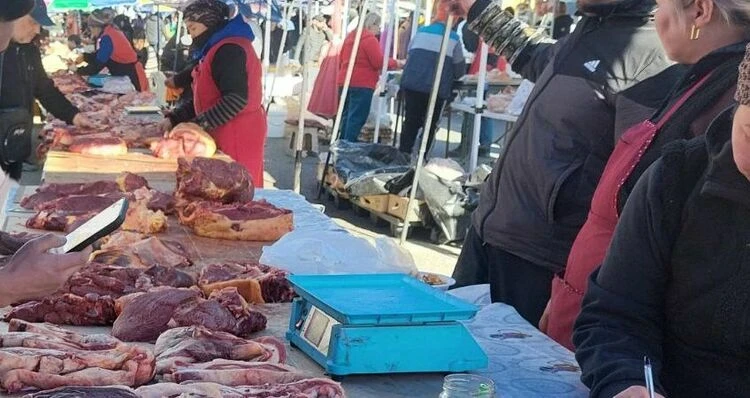
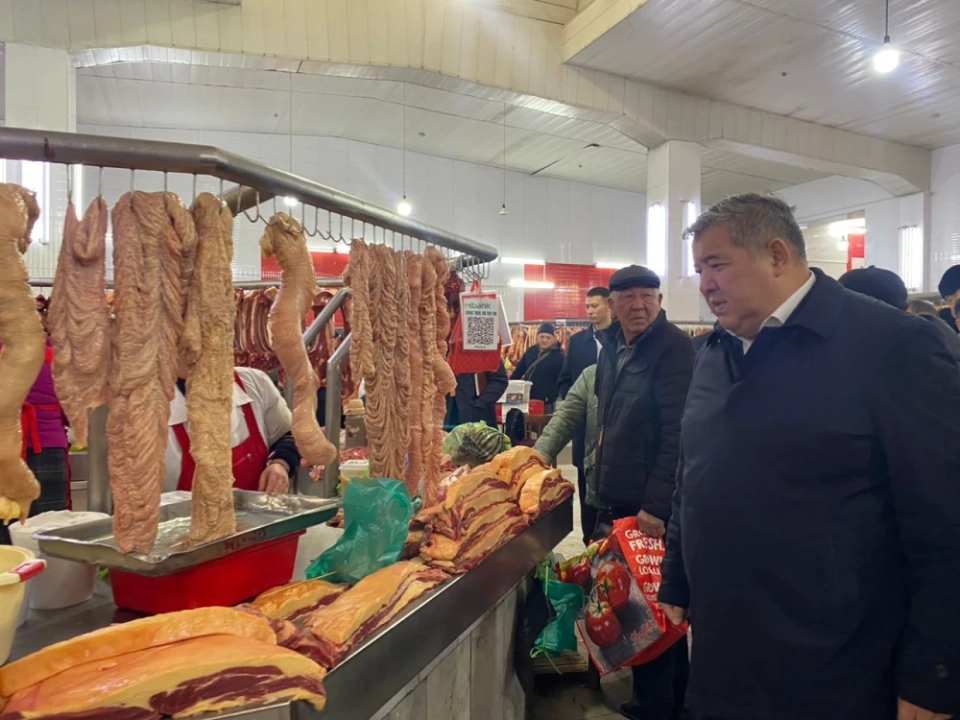
The market also plays a key role in this strategy. When we talk about the market, we mean export. For example, we can sell honey, meat, rice, and cotton in raw form. However, our goal is not this. We need to learn how to produce goods with high added value.
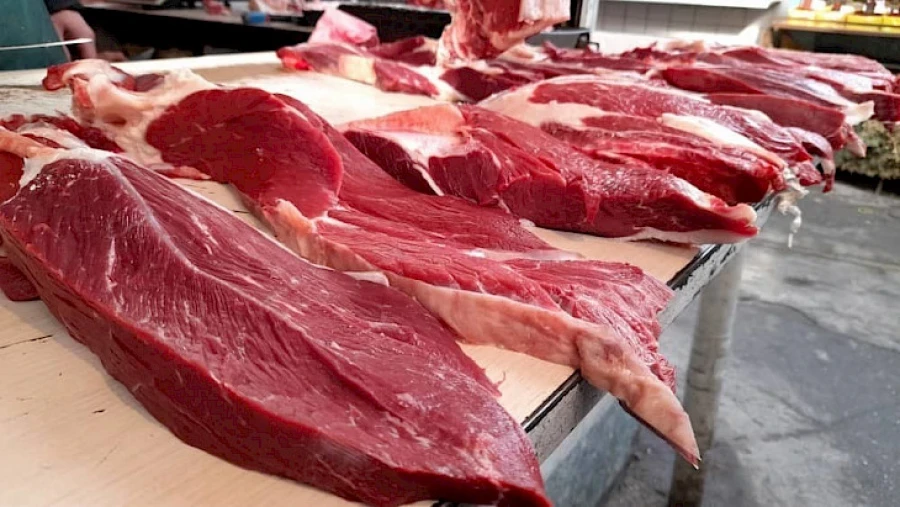
If a kilogram of quality meat costs $12–15, we should be able to sell it for $50, while ensuring that the product meets the highest quality standards. This is only possible with the necessary technologies, knowledge, and proper production processes.
It is important to learn and develop skills, understand technologies, and apply them effectively. Japan is a good example: Wagyu marble beef can cost thousands of dollars per kilogram due to its limited supply. This demonstrates how uniqueness and quality create value.
In various sectors of the economy, promising directions can be found based on national, geographical, and climatic features. We need to honestly acknowledge that in some areas, such as wheat production, we will not be able to compete with Kazakhstan. However, we have our own niches.
Therefore, it is important to exchange experiences with one another, especially with neighbors. If we consider Central Asia as a single region and the whole world as a market, then cooperation is essential. Only joint efforts will allow us to create competitive products.
Our goal is not to export cheap goods, but to produce high-margin products. Even if it is potatoes, they should have unique characteristics, for example, being grown at an altitude of over two thousand meters, and meet high quality and certification standards.
An example is honey from New Zealand, which sells for $130–200 for 200 grams due to its unique certification and protection against counterfeiting. We can and must develop similar niches.
To achieve this, it is necessary to focus on improving quality, knowledge, and technologies. Creating high-margin products is the path our region must choose.
In response to the question of whether countries should work alone or in cooperation as a region, Kydyrbaev drew an analogy: for a car to move, it needs four wheels that work in sync, with each performing its function. If one wheel is not functioning, the car starts to stall. The same applies to the region: joint efforts are important while maintaining individual responsibility.
The forum in Bishkek highlights the significance of such an approach. Although currently only 10% of participants deeply contemplate these issues, this is already a start. It is such events that contribute to forming a common understanding and moving forward.
Our region is still not well known in the world, which even our partners acknowledge. Therefore, it is necessary to strengthen efforts to promote the region, hold more such forums, and establish a systematic dialogue.
Cooperation is not a one-time solution, but a long-term process. However, if we aim to create our own products and successfully bring them to the global market, there is no other way," concluded Uluk Kydyrbaev.