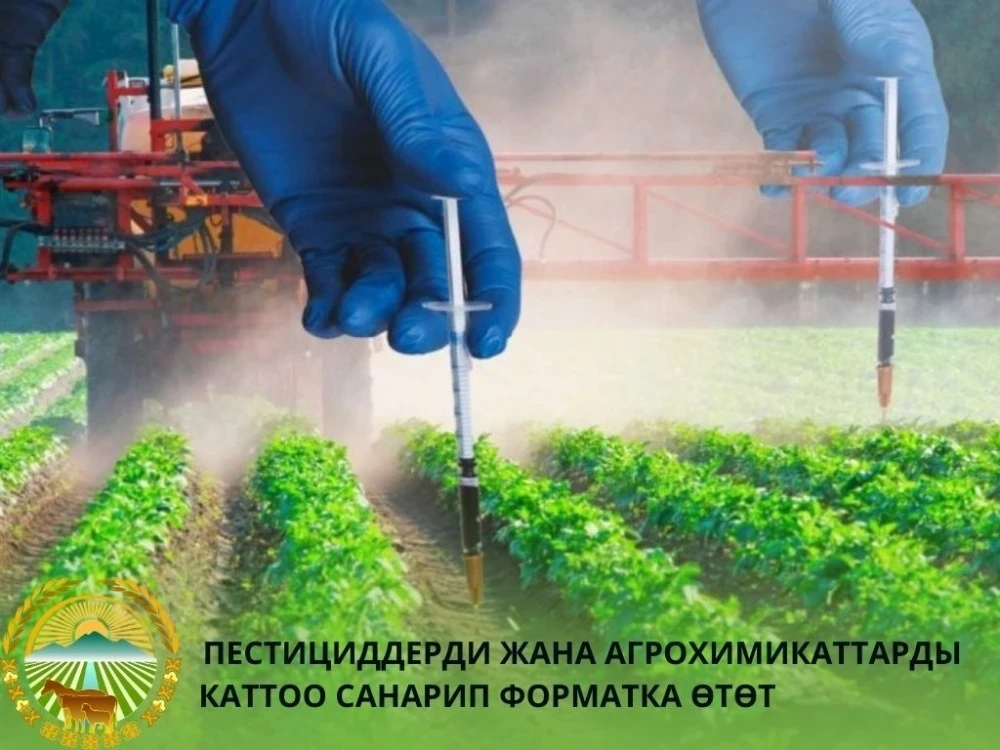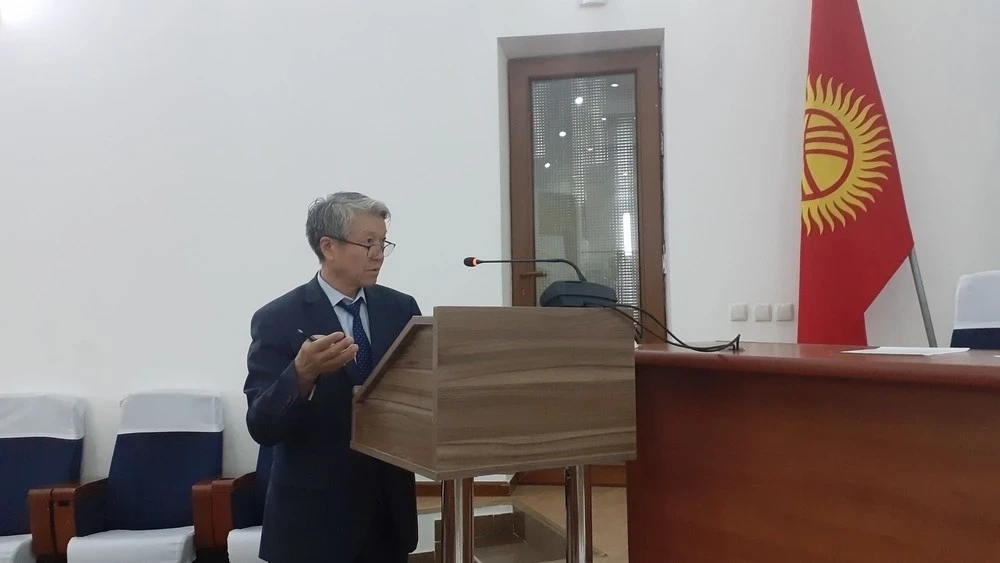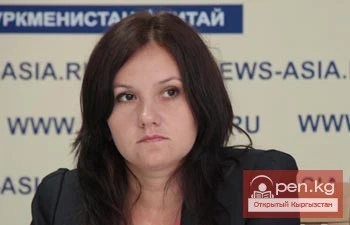
The transition to organic agriculture requires not only a change in approaches but also serious preparation. It is a long-term strategy, not just a short-term program with strict deadlines. Dinara Chorobekova, a senior lecturer at the Department of Crop Production and Plant Protection at KNAU and a graduate student, shares her thoughts on the challenges and opportunities for the development of the organic sector in Kyrgyzstan.
In her opinion, the greening of the agricultural sector aligns with global trends and the natural potential of the country. However, the complete implementation of the organic approach within 5-6 years seems extremely difficult due to the insufficient awareness of farmers.
“Organic farming is not just a refusal of chemical means; it is a holistic system that includes proper crop rotation, the use of green manures and biological preparations, as well as technologies that promote soil conservation. Without a deep understanding of these principles, the transition may lead not to increased income but to reduced yields and losses,” she warns.
The difficulties are exacerbated by the lack of a monitoring and certification system necessary for the legitimate status of organic products. Control must be ensured at all stages—from soil condition to delivery conditions. Currently, such infrastructure is underdeveloped in Kyrgyzstan, which creates risks of distrust from international markets. Without proper certification, exports will be at risk.
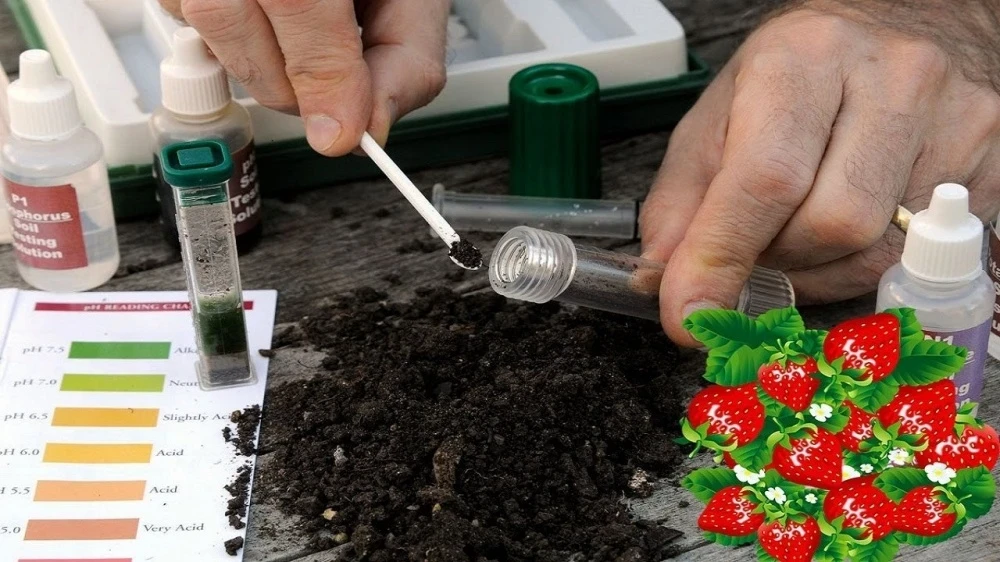
No less important are the biological aspects: restoring soil fertility takes a lot of time. Long-term use of pesticides has depleted the land, and natural restoration of macro- and micronutrients such as nitrogen, phosphorus, and potassium requires 7 to 15 years, provided that scientifically grounded crop rotation is followed. A sudden cessation of synthetic fertilizers can lead to significant yield losses, especially in the first years of the transition,” the expert adds.
There are also concerns about potential practical risks. In the context of climate change, pests can significantly damage crops, putting farmers in a difficult position. As a result, producers may start using chemicals unofficially, undermining trust in the country's ecological brand.
Chorobekova emphasizes that the transition to organic farming is not an instant solution:
“It is not a button that can be pressed by 2030. It is a lengthy process that begins with changing mindsets and professional training for farmers.”
For the successful implementation of organic farming, the following are necessary:
Creation of educational programs and demonstration plots;
Government subsidies for the transition period;
Development of affordable organic fertilizer production;
Systematic consulting support for agronomists.
Only after establishing a reliable foundation can we talk about stricter deadlines. Organic farming is a long-term goal that can enhance environmental safety and export potential for Kyrgyzstan, but success is only possible with sensible policies and scientific support.
From the editor: VB.KG is ready to present opinions and innovative ideas regarding the development of the agricultural sector in Kyrgyzstan and Central Asia. You can contact us via WhatsApp and Telegram: 0555-923-603.