The Launch of a Grand Idea
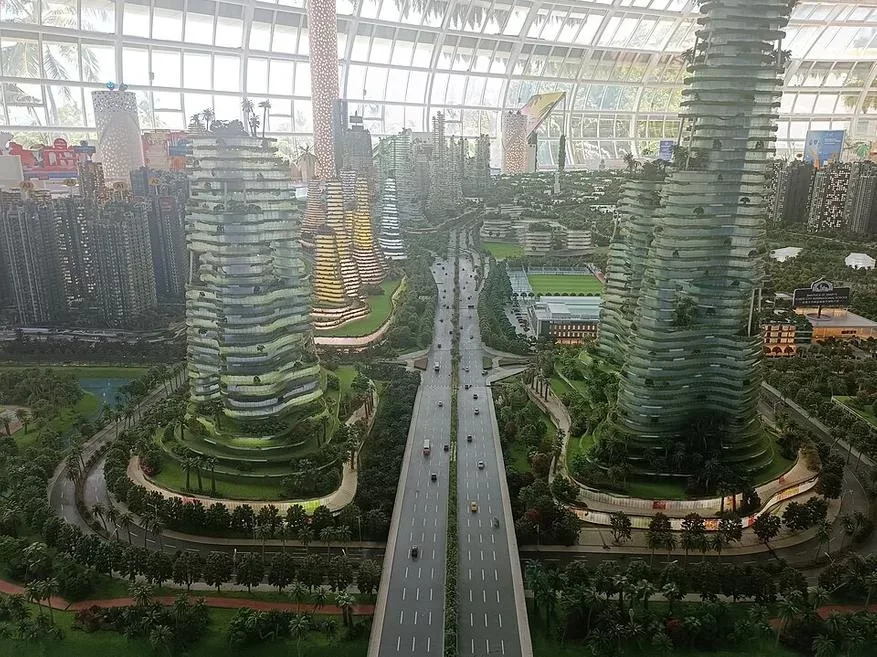
In 2014, the Chinese company Country Garden, one of China's leading development firms, announced the launch of the Forest City project in the Malaysian state of Johor. Valued at $100 billion, this megaproject was envisioned as a futuristic city on four artificial islands in the Johor Strait, near Singapore. Covering an area of 30 square kilometers and featuring high-rise buildings up to 35 stories, it promised "smart" construction, eco-friendly technologies, and green facades, creating ideal living conditions.
The project, supported by the Chinese "Belt and Road" initiative, targeted wealthy Chinese buyers looking to invest abroad or purchase second homes. Local residents, for whom prices started at $170,000 to $1.14 million for an apartment, were not part of the target audience. Country Garden's partner was the Sultan of Johor, Ibrahim Ismail, who controlled 40% of the shares through the state-owned company Kumpulan Prasarana Rakyat Johor.
The Malaysian government hoped that Forest City would become an economic center comparable to neighboring Shenzhen. On March 6, 2016, the project was officially launched, and its status as a free trade zone was expected to attract investors.
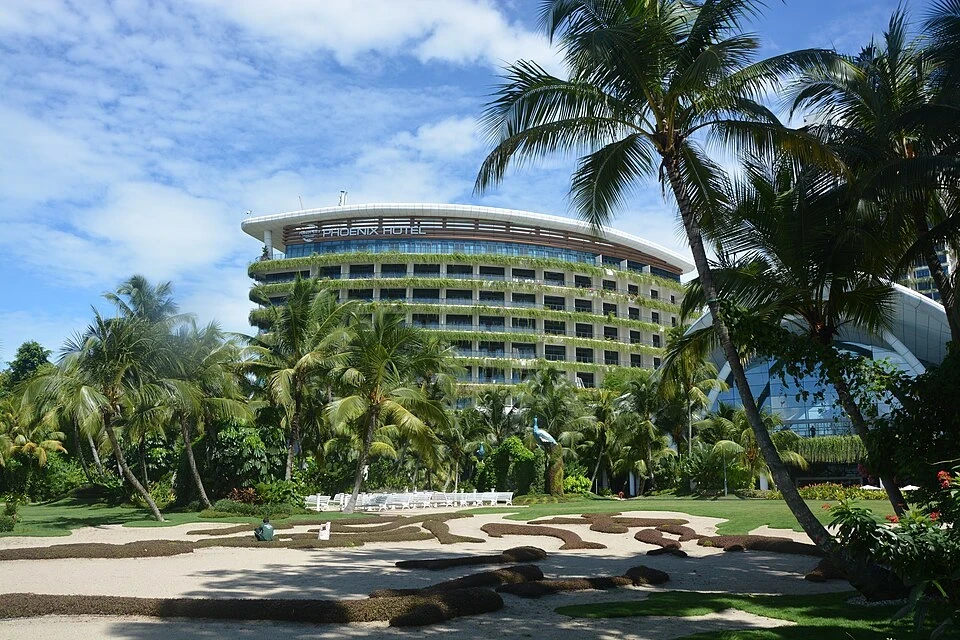
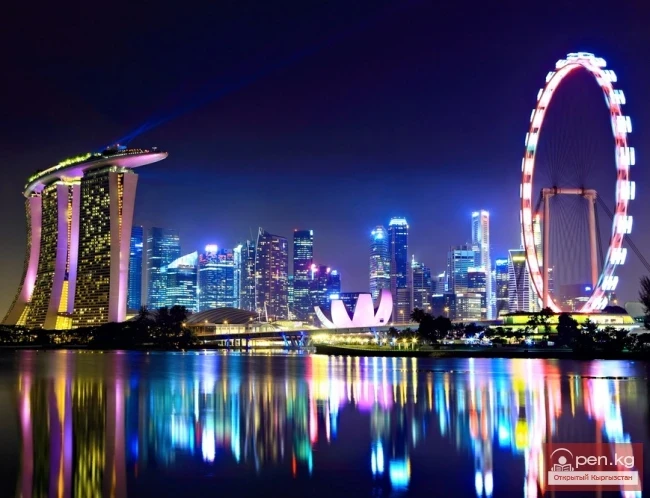
Author: Jonashtand Source: commons.wikimedia.org
Problems at the Start
However, the project's ambitions faced numerous challenges. Forest City was built on drained swamps, causing significant environmental damage. The destruction of mangrove forests and seagrass meadows, protected by international agreements, led to a decline in fish stocks and harmed local fishing. Rapid construction on unstable ground caused cracks in buildings and sinking roads. Local residents and politicians opposed the project, pointing out its focus on foreign buyers and neglect of Malaysian needs. In 2018, Prime Minister Mahathir Mohamad imposed a temporary ban on foreign property purchases, further deterring investors.
.">
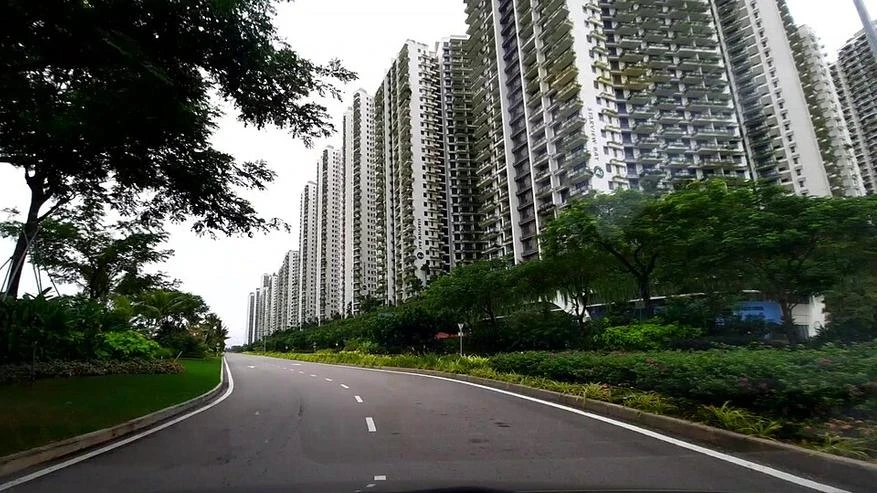
Author: sukri-samsudin Source: commons.wikimedia.org
Chinese legislative measures also negatively impacted the project. Restrictions on capital outflows from China (a limit of $50,000 per year) made purchasing foreign real estate nearly impossible for Chinese citizens. Political instability and the COVID-19 pandemic, which restricted travel, exacerbated the situation. By 2020, sales had dropped by 90%, and of the planned 700,000 residents, only about 500 remained in the city.
By 2024, only 15% of the project was completed, and the population numbered around 9,000, including service staff. High-rise buildings remained half-empty, shopping malls abandoned, and warnings about crocodiles began to appear on the beaches. Residents describe Forest City as a "creepy" place: dark corridors, a lack of neighbors, and insufficient infrastructure.
.">
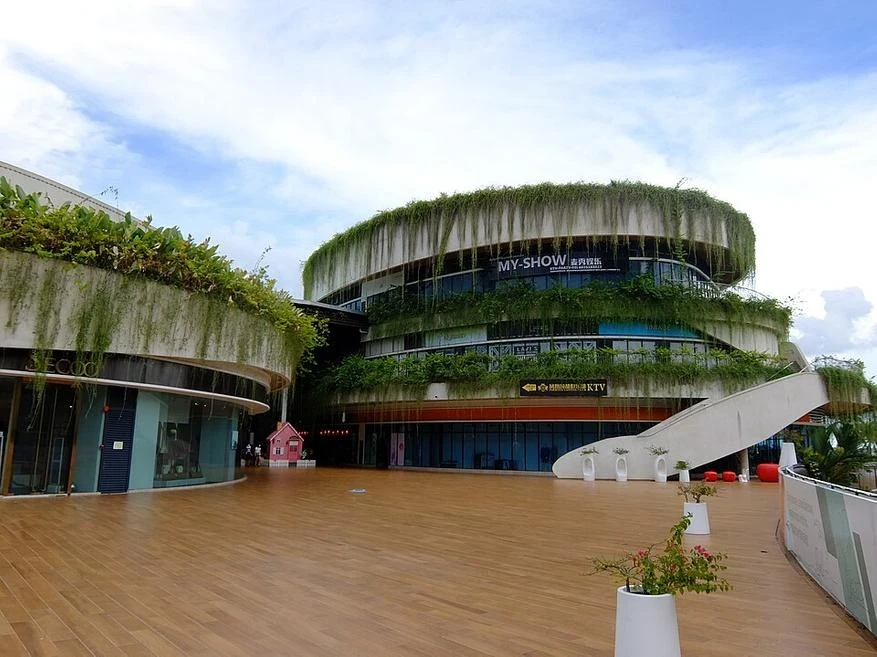
Author: Chongkian Source: commons.wikimedia.org
New Attempts: From Tourism to Financial Center
Despite the challenging times, developer Country Garden remains hopeful. In an effort to revive the project, the company decided to focus on tourism, organizing golf tournaments, triathlons, and festivals. However, tourists visiting the golf resort and beaches are dissatisfied with the lack of activities and do not spend their money, while the city remains "deadly quiet." In 2023, Forest City even became a location for the Netflix reality show "The Mole."
In 2024, Malaysian authorities took a new step by declaring Forest City part of a special financial zone (SFZ) as part of an agreement with Singapore to create the Johor-Singapore economic zone. Tax incentives were introduced: a 15% corporate tax rate for qualified workers, a zero rate for family offices, and corporate rates ranging from 0 to 5%. More than 30 investors expressed interest in establishing family offices, shifting the focus from residential real estate to commercial investments and positioning Forest City as an alternative to Singapore's overcrowded market.
.">
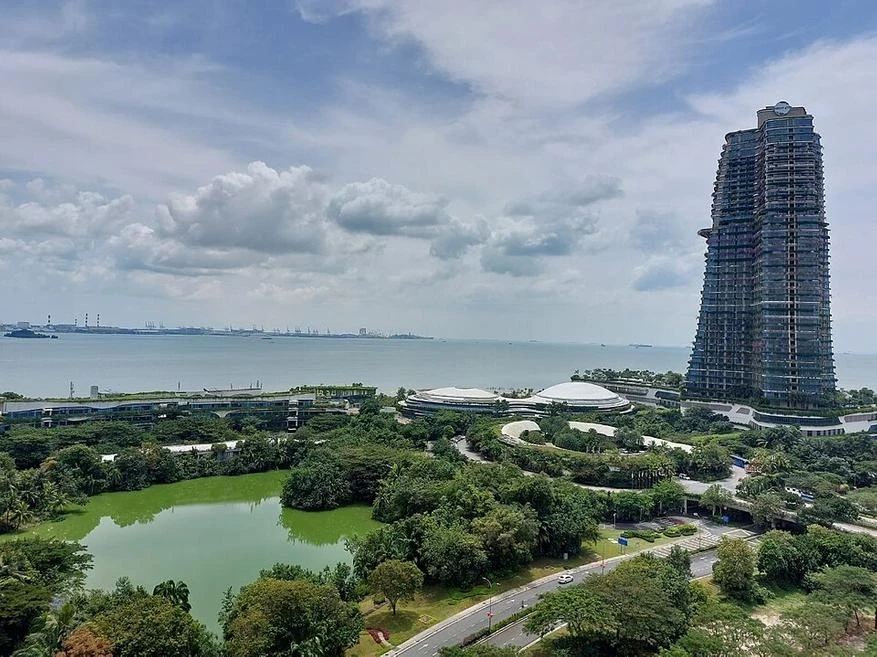
Author: YankeeHo Source: commons.wikimedia.org
To date, Forest City has become a manifestation of the conflict between ambition and reality. The focus on a narrow segment of buyers, neglect of local conditions, political risks, and environmental mistakes have transformed the project from a "city of the future" into a symbol of unfulfilled dreams. Nevertheless, efforts to turn it into a financial center inspire hope for partial revival. Time will tell, but the lessons from this project already serve as a warning for future megaprojects around the world.