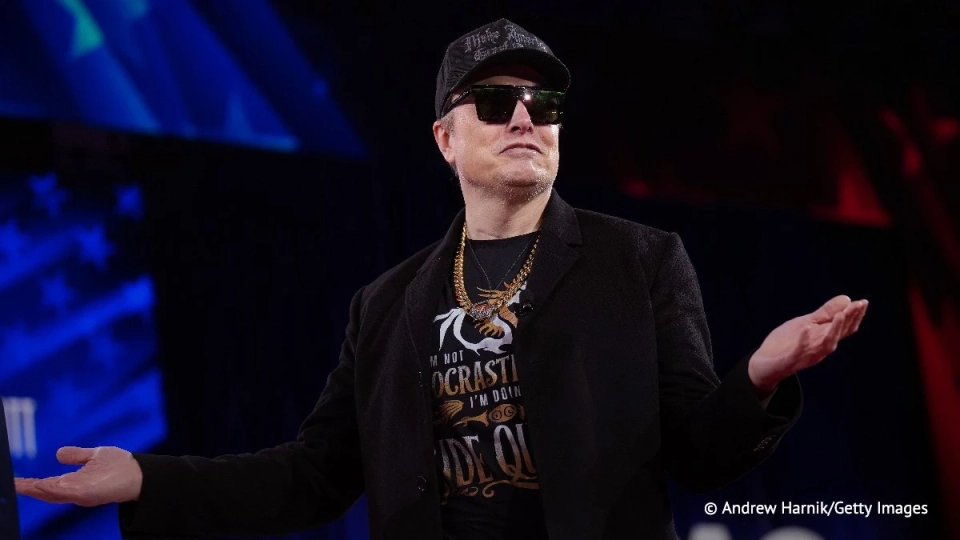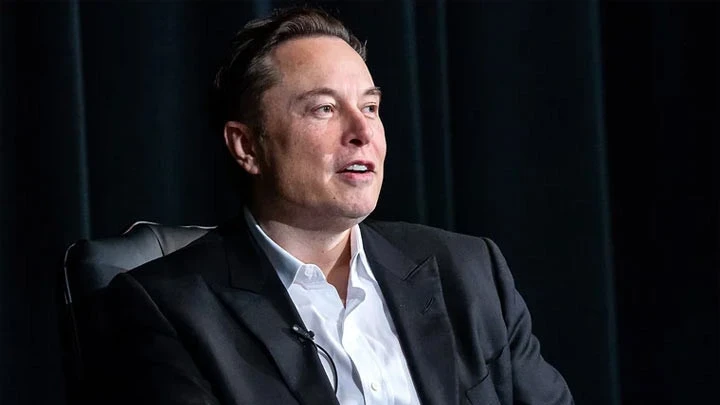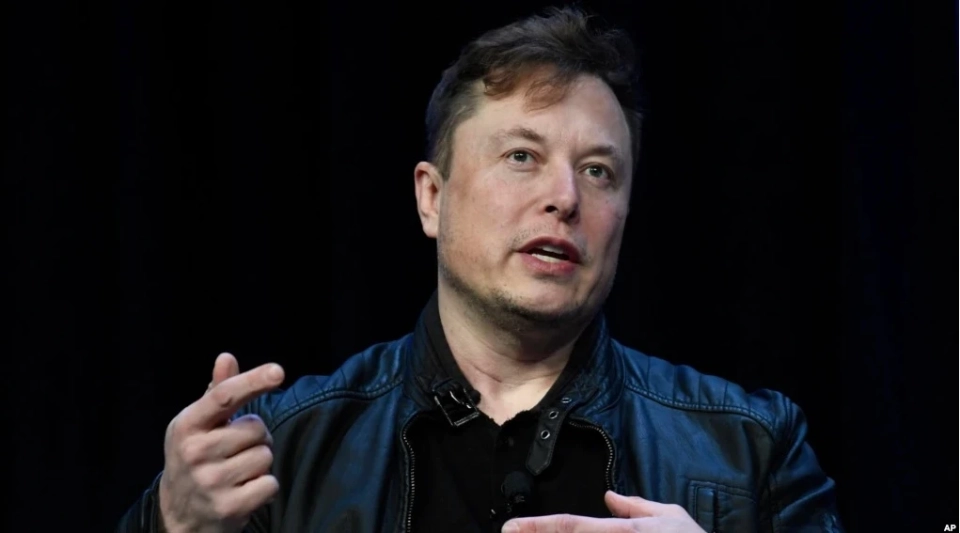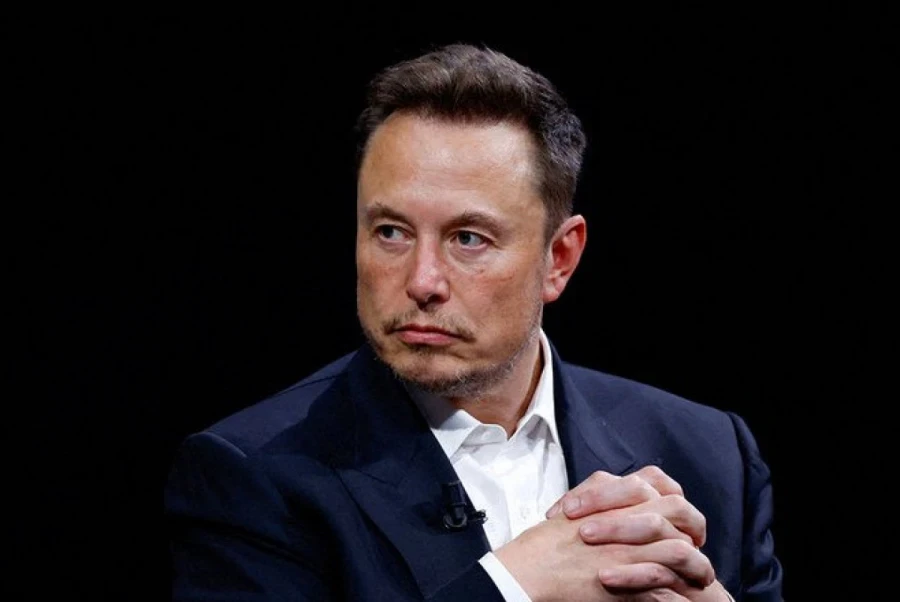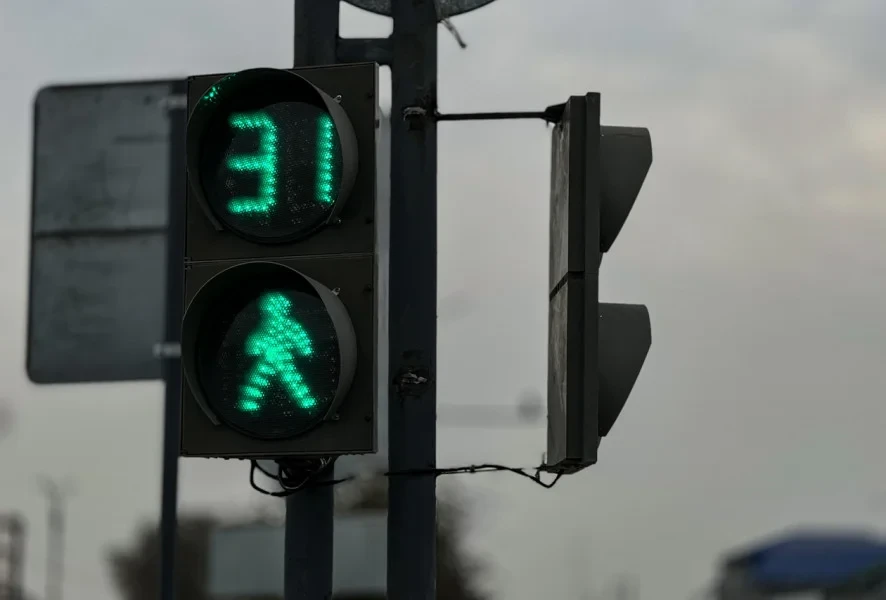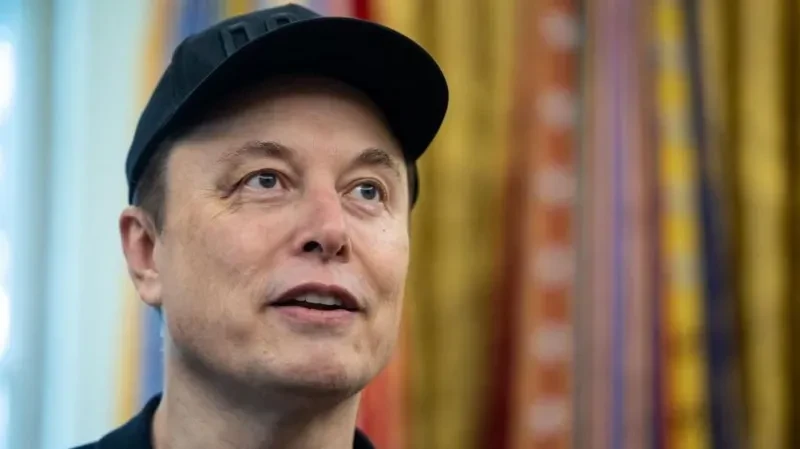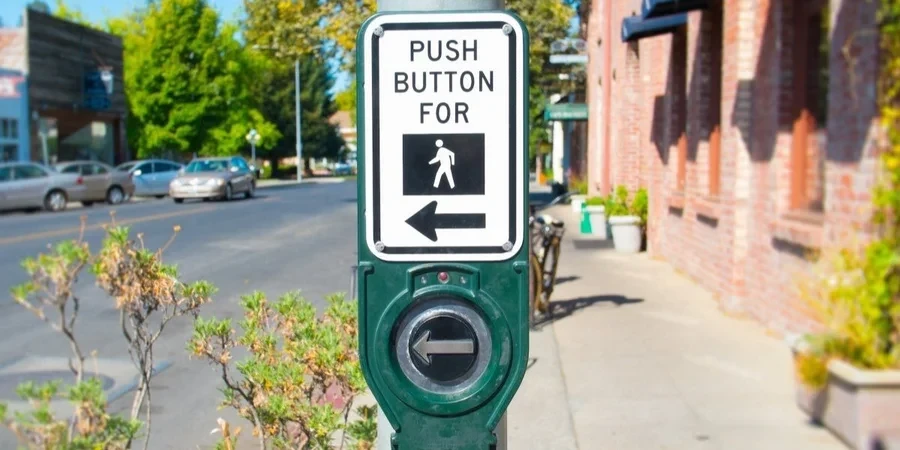
In April, residents of Palo Alto and its surroundings were surprised when voices resembling Elon Musk and Mark Zuckerberg began to sound at familiar pedestrian crossings. These "talking" traffic lights on the historic route El Camino Real unexpectedly started telling strange jokes, sometimes touching on topics related to Donald Trump and persistent artificial intelligence. It seemed like a joke, but the reason turned out to be more serious.
One of the hacked buttons, mimicking Zuckerberg's voice, said: "It's normal to feel discomfort or even a violation of personal space as we forcibly integrate artificial intelligence into every aspect of your conscious experience. I just want to assure you that you don't need to worry because you absolutely can't do anything about it."
Another traffic light, sounding like Musk, stated: "I think they say money can't buy happiness... Apparently, that's true. God knows, I've tried. But you can buy a Cybertruck with it, and that's pretty cool, right?" After that, he added: "Damn, I'm so lonely."
It became known how exactly hackers managed to substitute audio signals on the devices. According to data obtained by journalists through requests under California's Public Records Act, the reason turned out to be surprisingly simple. Caltrans, responsible for part of the road infrastructure in the state, had not changed the factory passwords set by the manufacturer. This allowed the attackers to access the settings and replace the sound files with recordings of famous personalities.
These incidents affected Palo Alto, Menlo Park, and Redwood City. After the substitution was discovered, Caltrans temporarily disabled the audio feature to stop the playback of fake messages. Later, the audio mode was restored, but an investigation began to understand how such an attack could occur.
From correspondence, it became known that the equipment manufacturer had previously warned Caltrans and the authorities of Menlo Park about the need to use secure passwords. A representative of Menlo Park clarified that only devices belonging to Caltrans were affected. In response to the incident, Caltrans reported that after checking, they found other intersections where passwords also needed to be changed. All of them were replaced to reduce the risk of similar incidents happening again.
Interestingly, older systems turned out to be more secure. At the intersection of El Camino Real and Ravenswood, there was no hacking. Professor Ahmed Banafa from the engineering faculty at San Jose State University explained that in older solutions, control is often linked to a central unit that serves several points simultaneously. To intervene, an attacker would have to physically open such a unit and upload data manually. Newer systems, on the other hand, use Bluetooth, allowing potential attackers to connect to them wirelessly while being in close proximity, for example, using a smartphone.
The most discussed "replicas" were those that sounded on University Avenue in Palo Alto. Pedestrians could hear Elon Musk's voice discussing Trump, with interjections mimicking others' remarks. Another hacked signal presented itself as Mark Zuckerberg and sarcastically commented on the process of integrating AI into various aspects of human experience, adding that it was supposedly impossible to stop.
This story took on a particularly local shade. Musk did indeed live in Palo Alto during his time at PayPal, and Tesla's headquarters was located in the city for a long time. Meta is based in Menlo Park, where Zuckerberg also owns property. However, this "Silicon Valley context" does not negate the main conclusion: sometimes high-profile hacks occur not due to complex vulnerabilities, but because of the simple habit of leaving factory passwords unchanged.