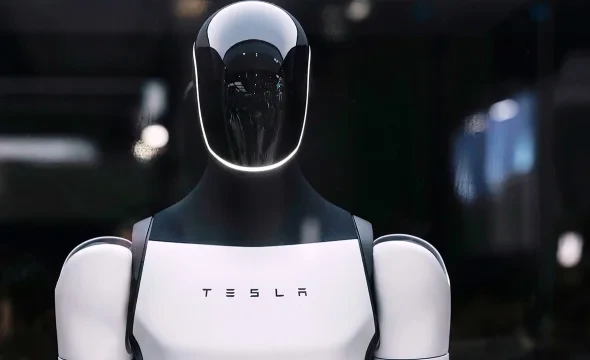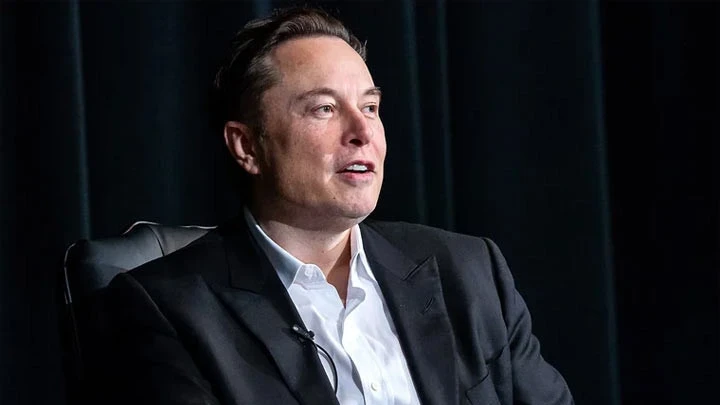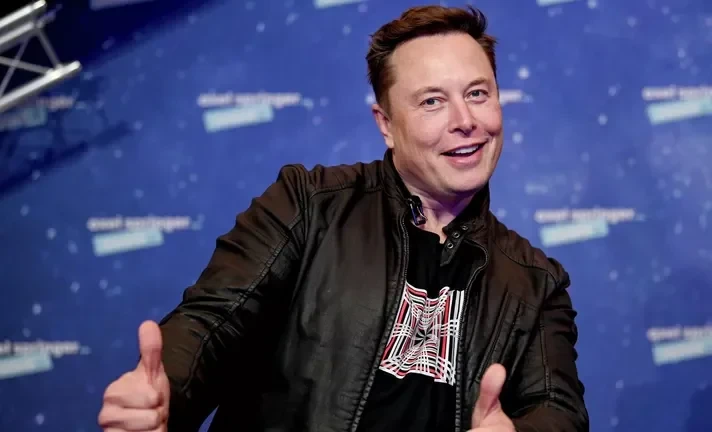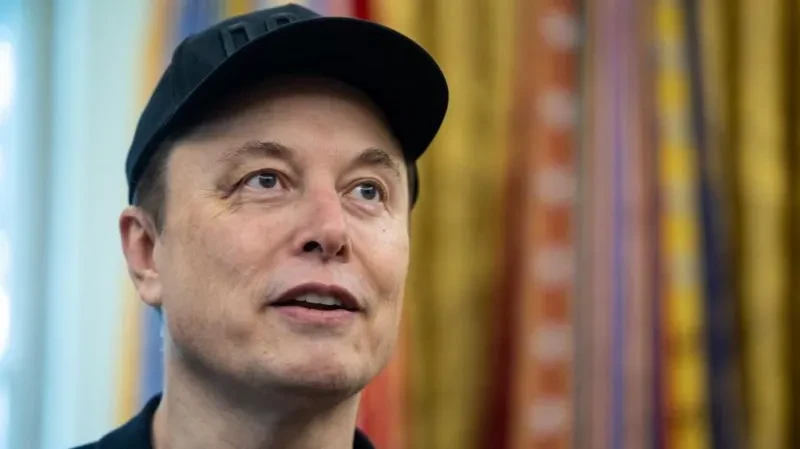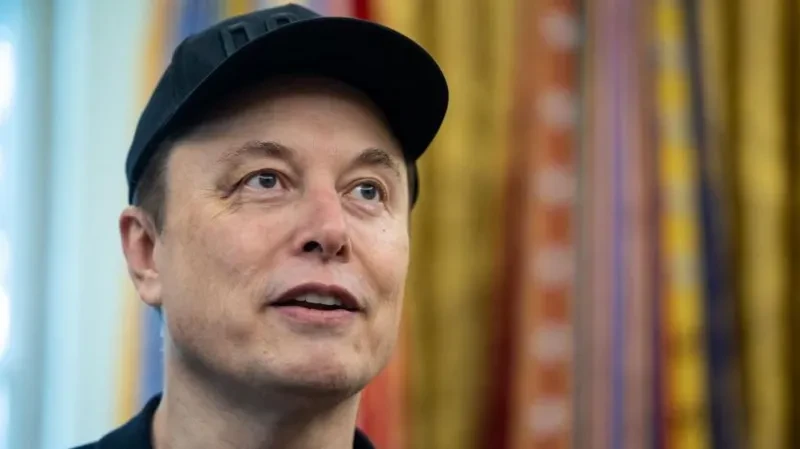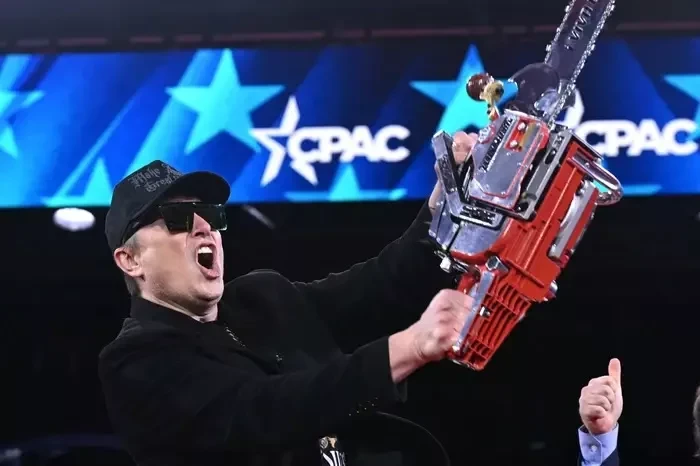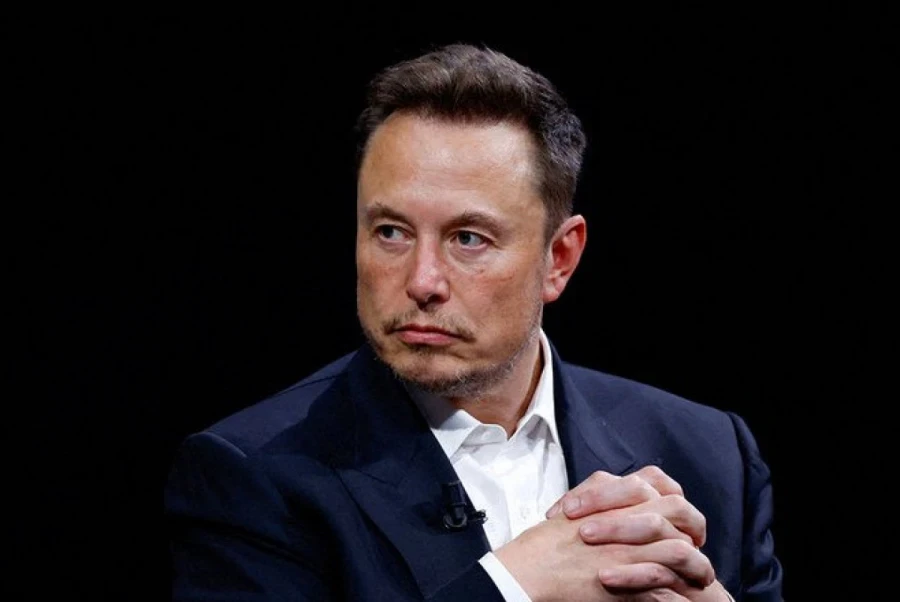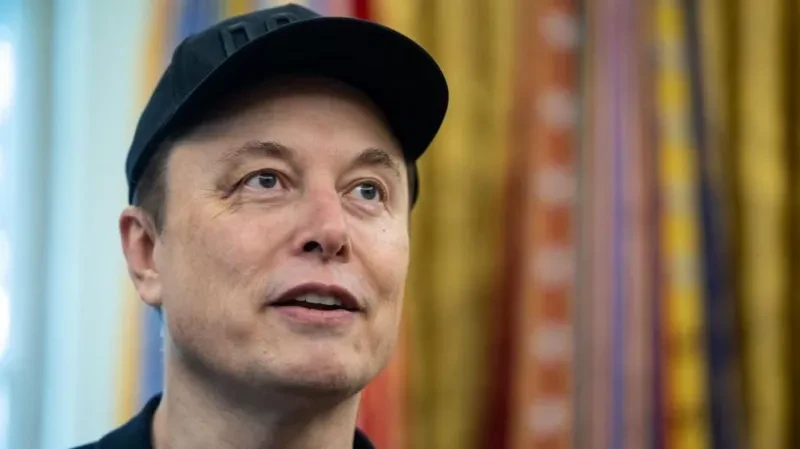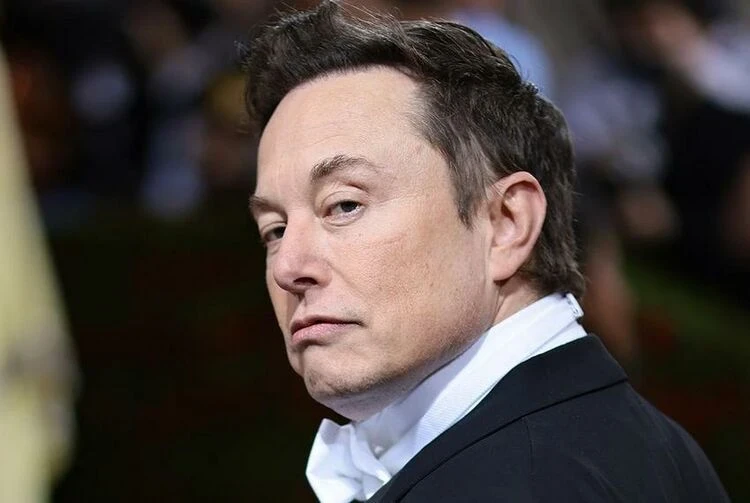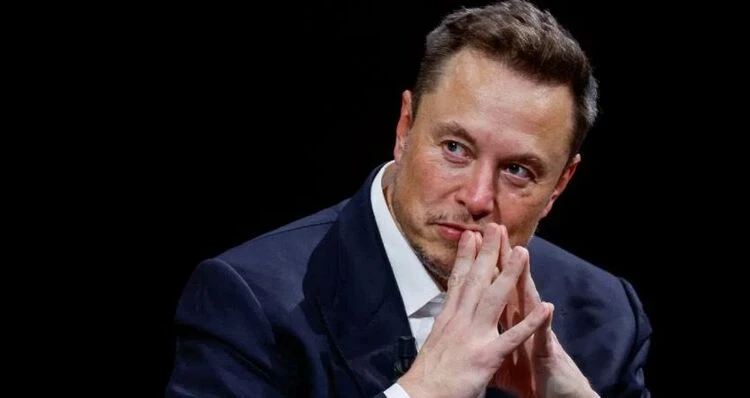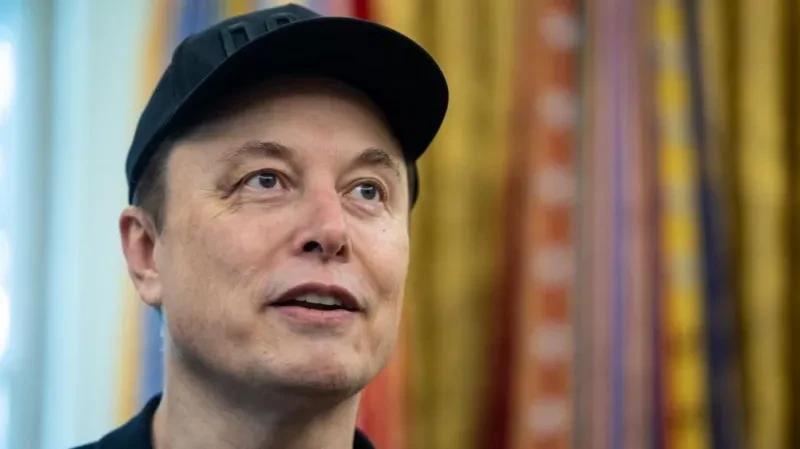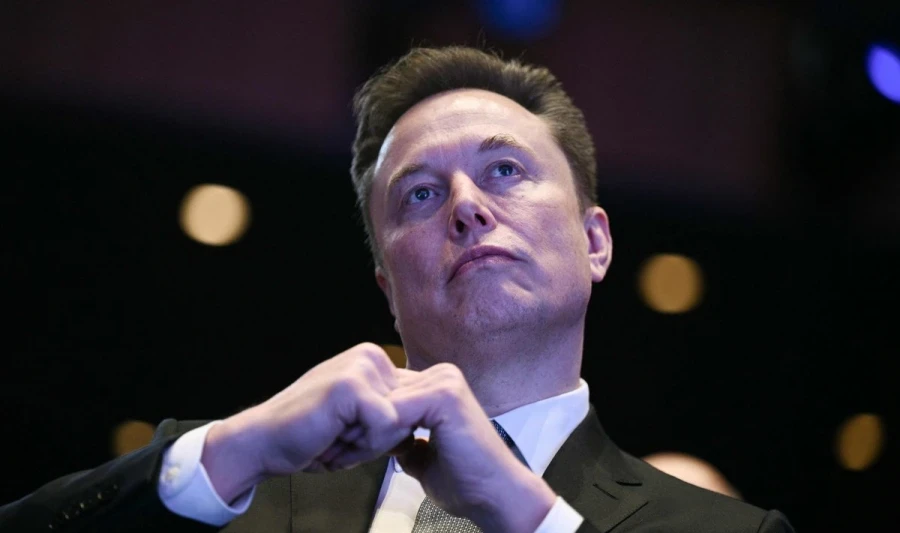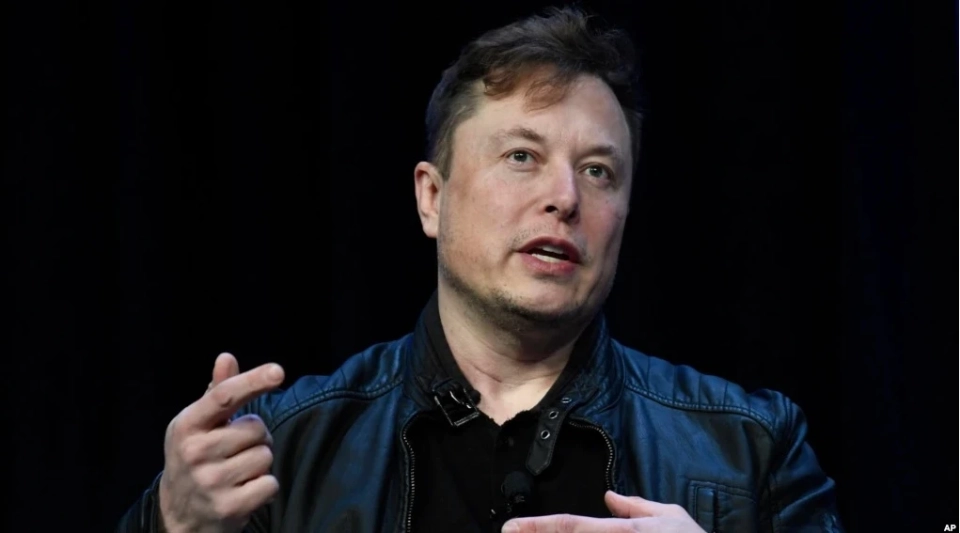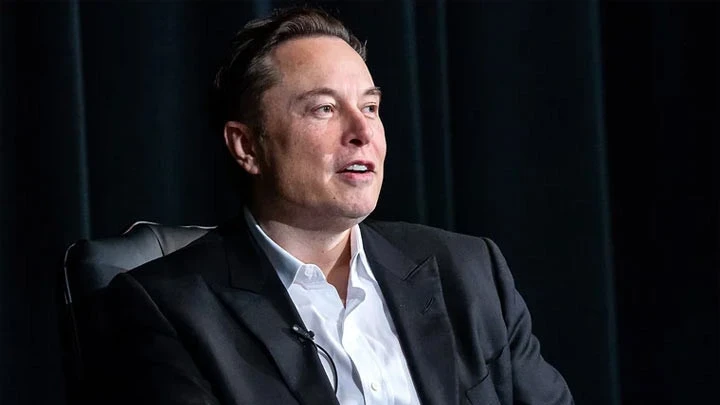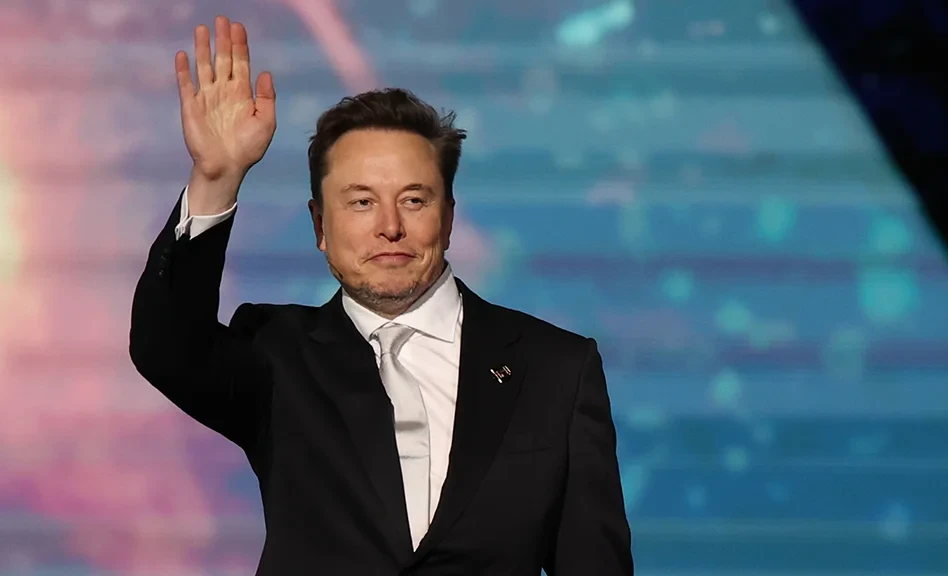
Musk commented in response to David Holz, the founder of Midjourney, who noted that modern AI models have allowed him to implement more projects in programming in a short time than in the last ten years. On the social network X, Musk wrote: “We have entered the Singularity. 2026 is the year of the Singularity.”
The key concept of technological singularity became popular thanks to futurist Ray Kurzweil, who described it in his book "The Singularity Is Near: When Humans Transcend Biology," published in 2005. Singularity implies the moment when artificial intelligence surpasses human intelligence, leading to drastic technological and social changes that will be difficult to predict and control.
However, Kurzweil himself offers more conservative predictions. He believes that general artificial intelligence may emerge around 2029, and full singularity will not occur before 2045. According to him, by that time, non-biological intelligence will be a billion times more powerful than human intelligence.
Musk's statement has sparked active discussions online. Users are debating whether the rapid development of AI indicates the approach of an important moment, or if it is merely an overly optimistic interpretation of current achievements. Some commentators enthusiastically perceive the businessman's words, linking singularity with increased productivity, scientific breakthroughs, and the potential for creating cures for previously incurable diseases. At the same time, others express caution, emphasizing the risks associated with uncontrolled technological development.
This statement appeared exactly one year after OpenAI CEO Sam Altman made a more cautious and uncertain statement about singularity. In early 2025, he noted that humanity is close to this milestone but emphasized the uncertainty of the consequences and the concept itself.
Meanwhile, the president and co-founder of Anthropic, Daniela Amodei, stated that the concept of "general artificial intelligence" is losing its relevance. In her opinion, this term originally served as a benchmark for the moment when AI could match human capabilities, but by several criteria, that threshold has already been crossed.