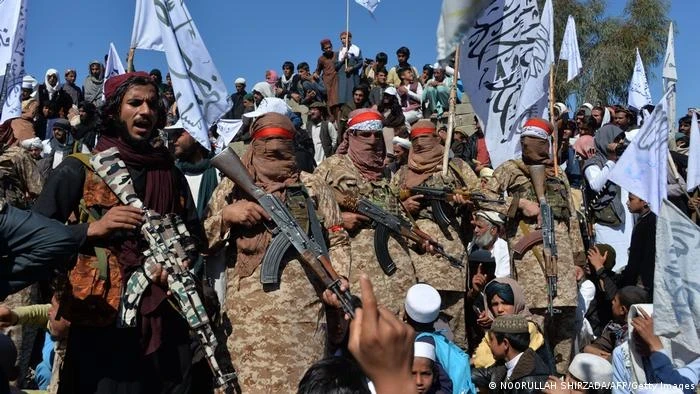
The explosion at the "Chinese Noodles" restaurant in central Kabul occurred on January 19. Initially, authorities tried to explain the incident as a gas cylinder explosion; however, the scale of the destruction and the number of casualties, including at least one Chinese citizen (unofficial reports suggest two Chinese), forced them to change their version. Later, the Afghan branch of ISIS claimed responsibility for the terrorist attack, publishing a photo of the suicide bomber.
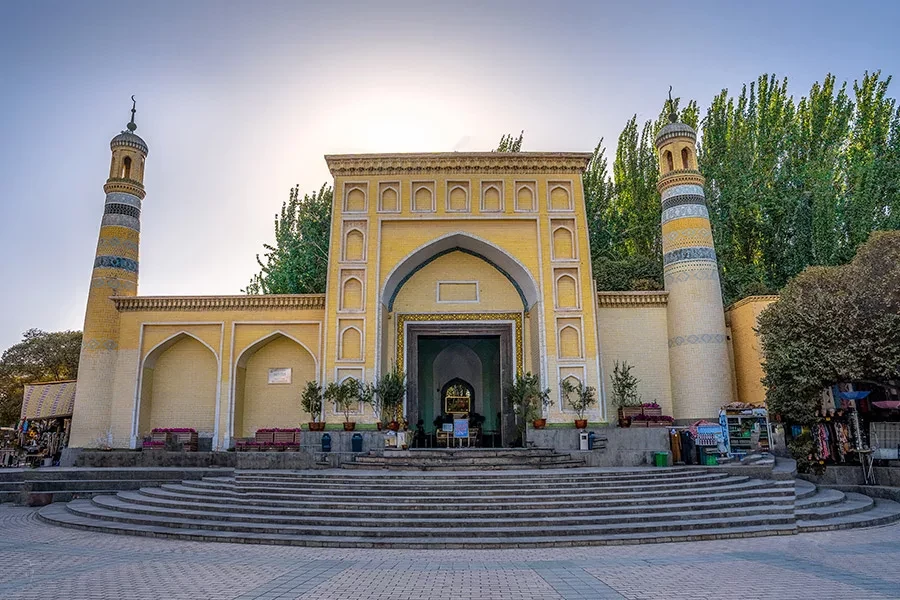
Commenting on the incident, ISIS propagandists stated that the attack was revenge against China for its policy towards the Uyghurs. However, there are reasons to believe that the target of the attack was more specific and related to internal conflicts within the Taliban. It became known that the deceased Chinese citizen, known as Ayub (likely a pseudonym), was at the time of his death managing the office of the Chinese charity organization Dahleez Wakhan in Kabul, which is essentially a structure subordinate to the Ministry of State Security of the PRC.
According to sources, Ayub's death was not related to China's policy towards the Uyghurs, but rather to his connections with the Haqqani family, which controls one of the factions of the Taliban. Sirajuddin Haqqani, the leader of this group, holds the position of Minister of Interior in the Taliban government and opposes the "Kandahar faction," led by Emir Haibatullah Akhundzada.
Reports indicate that Ayub actively facilitated connections between the Haqqanis and Chinese businessmen, organizing meetings with influential officials from China. This likely led to his assassination, as such connections caused discontent among other Taliban factions. In particular, Ayub organized Anas Haqqani's trip to Doha to meet with Chinese officials, where the return of a contract for an oil field in Northern Afghanistan, previously awarded to a Chinese company but then transferred to a Turkish one, was discussed.
The increasing influence of the Haqqanis on Chinese relations with Afghanistan has not gone unnoticed by other Taliban groups. As a result, on December 28, 2025, the Chinese Ministry of State Security warned the Taliban of a potential threat to the restaurant; however, this warning was not taken seriously, and the terrorist attack occurred a few weeks later.
A document obtained by "NG" mentions that Chinese authorities requested enhanced security measures for the restaurant, where Chinese citizens often stayed. Nevertheless, Ayub's death indicates the insufficient effectiveness of Taliban intelligence in preventing the terrorist attack, despite the warnings received.
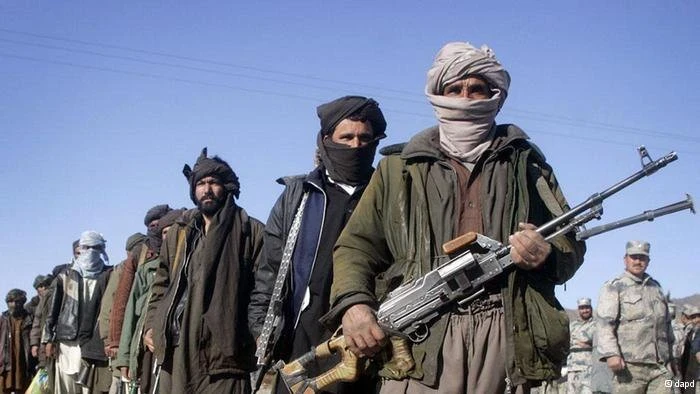
Afghan sources claim that the Chinese play a significant role in the inter-factional struggles within the Taliban, supporting one group against another for power and lucrative contracts. There is an opinion that the attack on January 19 was organized or at least allowed by one of the factions linked to the "Kandahar group" to warn the Chinese about the need to reduce their activity in relations with the Haqqanis.
Some factions under the control of the Kandahar leadership are dissatisfied with the growing ties with the Haqqanis and may have decided not to prevent the attack, despite the warning from the Chinese Ministry of State Security. The question of possible U.S. influence on these events remains open, but it is known that the CIA has contacts with the leadership of the Taliban intelligence and is not interested in strengthening China's position in Afghanistan.
Local observers note that the instability in the country is a result of a complex mix of corruption, terrorist activity, and power struggles, in which Chinese interests are now actively involved.