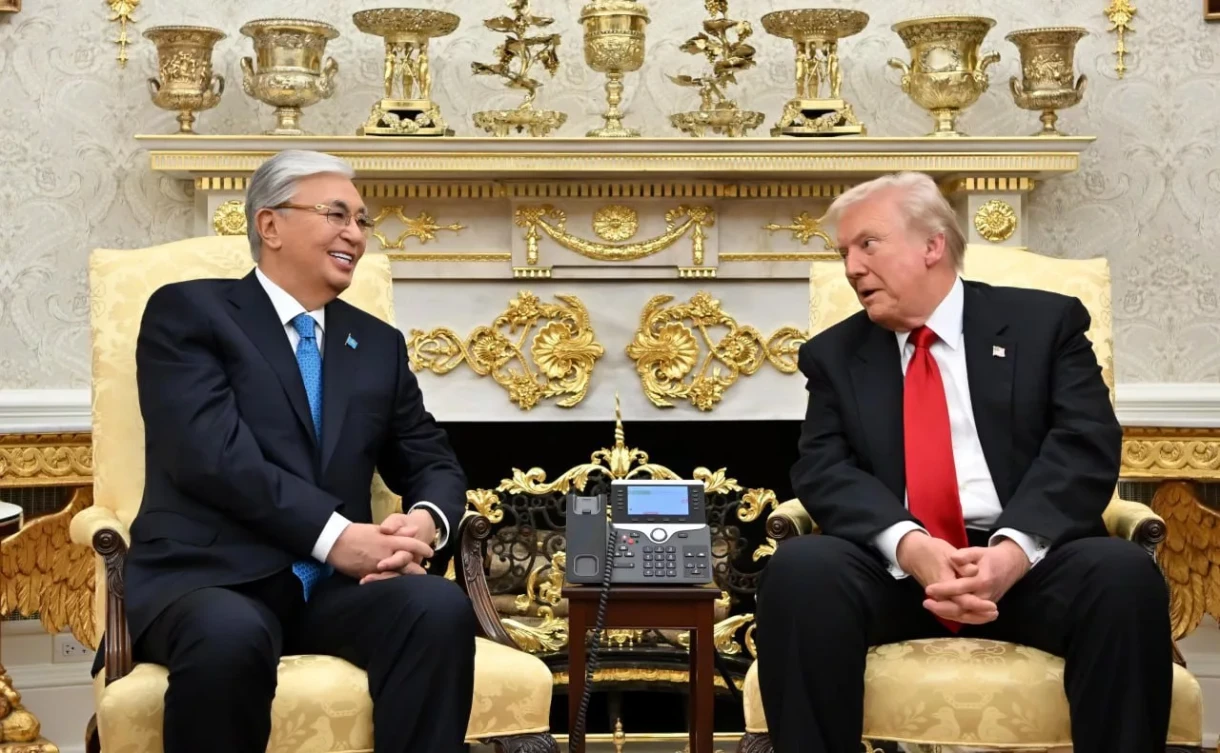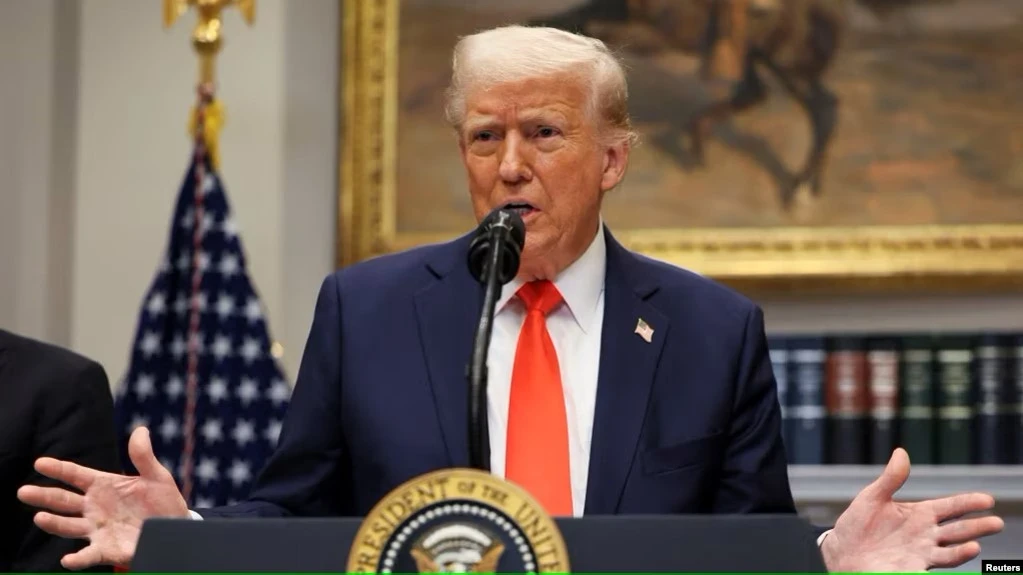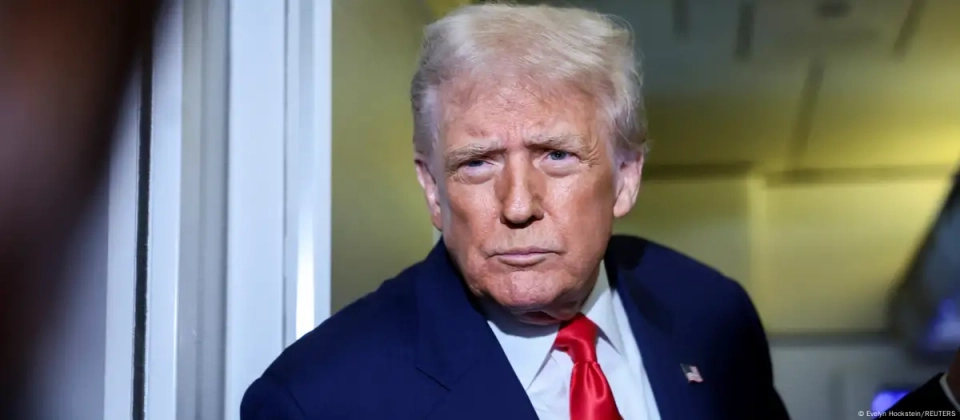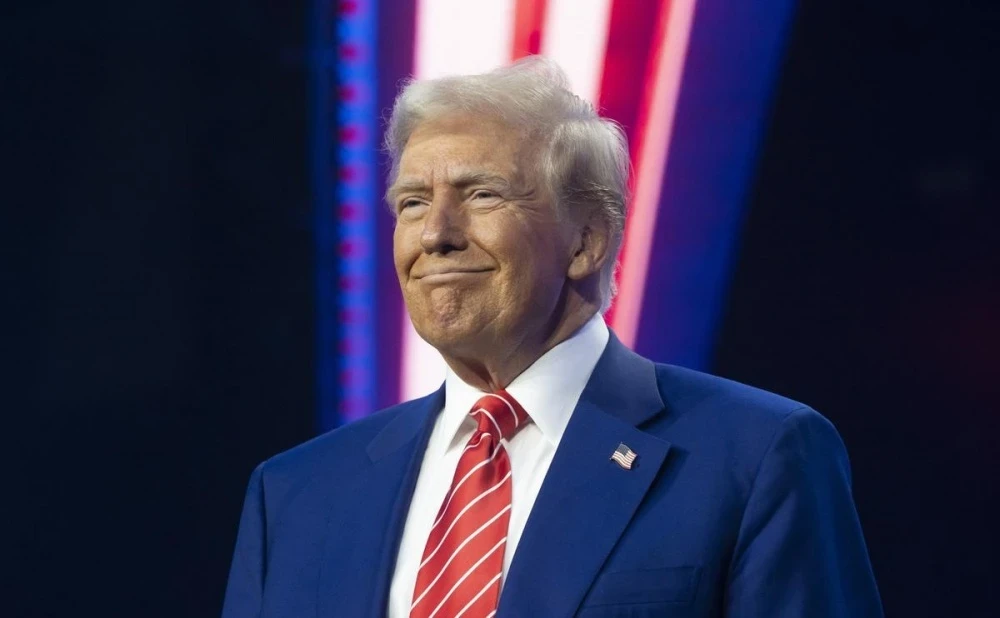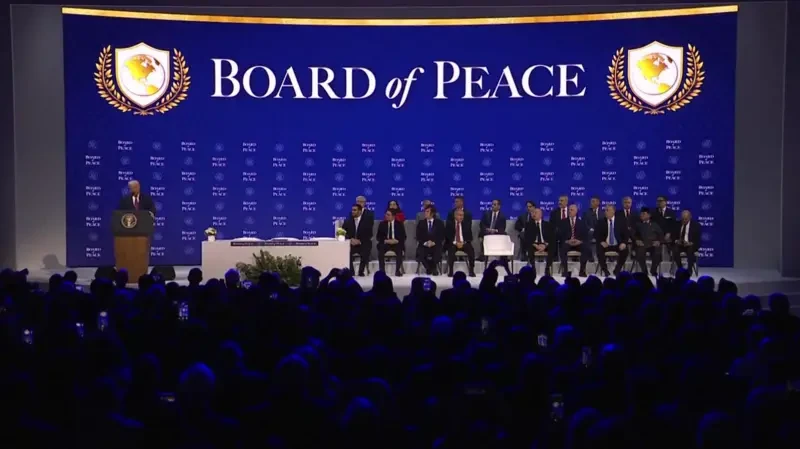
The launch of the World Council by Trump was perceived as an attempt to change the international order established after World War II. Despite mockery and accusations of imperial ambitions, this initiative represents the most serious effort to create an alternative to the UN. Initially, the Council was planned as a tool to assist the Gaza sector following a recent conflict, but Trump quickly expanded its functions, which sparked criticism and suspicions of an intention to undermine the position of the UN Security Council.
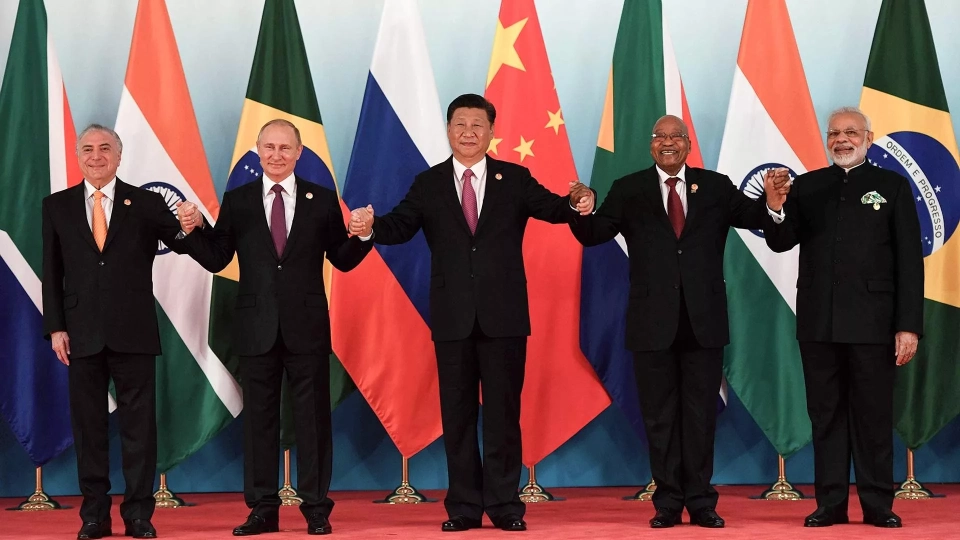
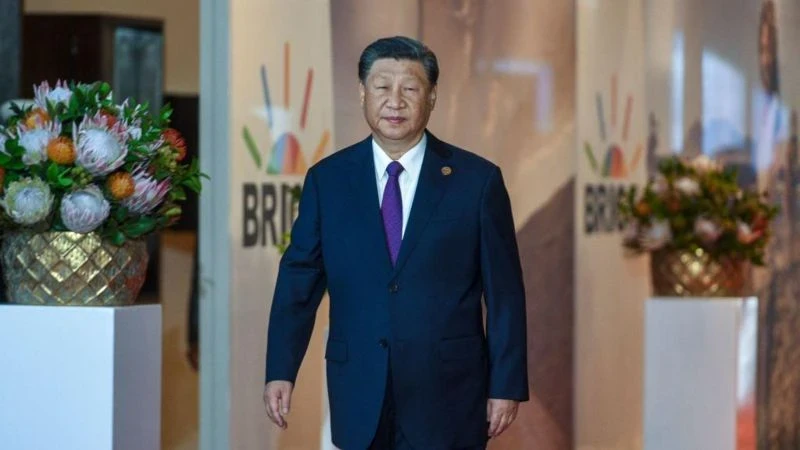
Given Trump's intentions, a sharp reaction from BRICS could have been expected, as it claims its role as a defender of the Global South. However, BRICS not only did not oppose it, but some of its members, such as Indonesia and Saudi Arabia, actually supported the project, choosing not to confront Trump.
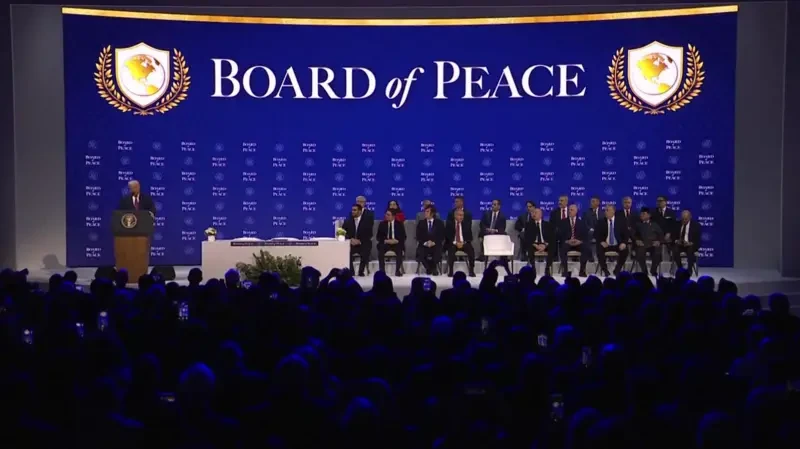
The World Council is a structure in which Trump not only controls the composition but also has veto power over decisions. Members can be admitted for three years, and a permanent seat is granted for $1 billion. At the launch of the Council in Davos, Trump invited about 60 countries, of which around 25, including Egypt and the UAE, joined the initiative.
However, South Africa, one of the founders of BRICS, ignored the invitation. Brazilian President Luiz Inácio Lula da Silva rejected Trump's proposal, stating that it was an attempt to create a new UN with unilateral leadership. He called for closer coordination among BRICS countries, emphasizing that the World Council threatens the multilateral order. Nevertheless, a unified position from BRICS could not be achieved.
China, for its part, exhibited caution, limiting itself to formal criticism, while India neither accepted nor rejected Trump's proposal, considering its relations with him. Prime Minister Narendra Modi understood that an expanded mandate for the Council could make India a potential target for Trump's intervention.
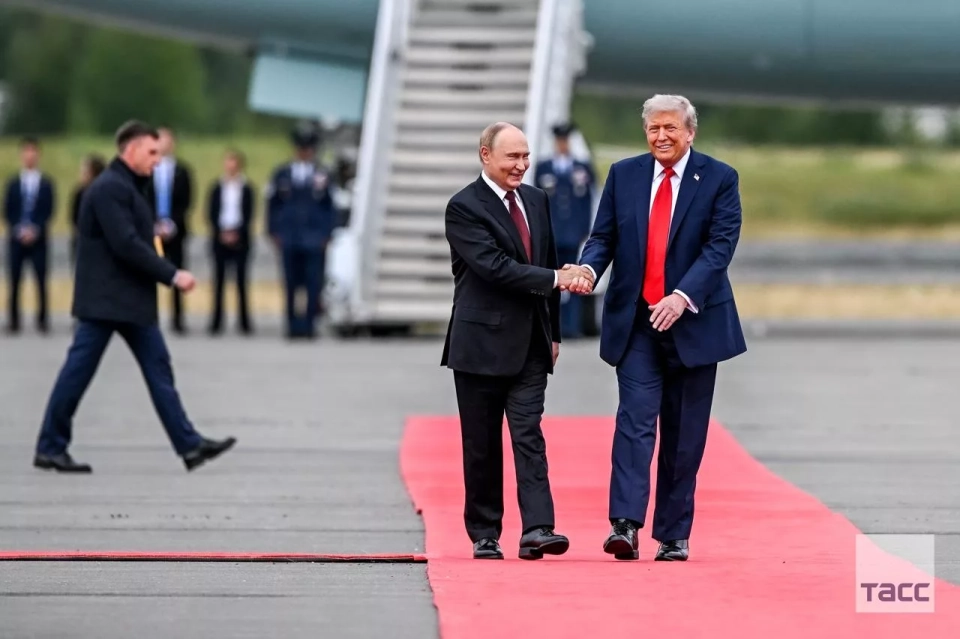
Surprisingly, Russia also showed interest, albeit restrained. President Vladimir Putin spoke of the need for consultations with allies, and Belarus, a Russian ally, unexpectedly joined the Council, raising questions about the consistency of actions between them.
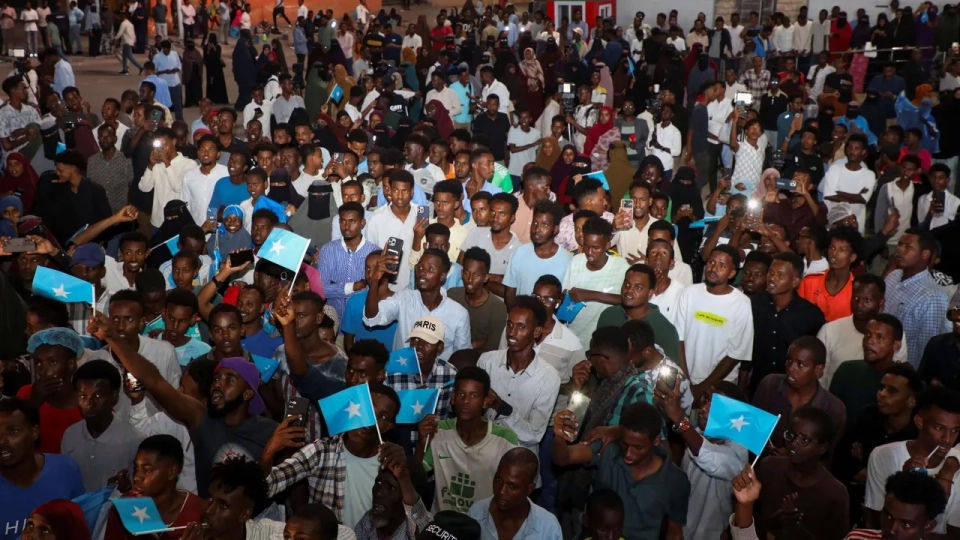
Indonesia, which previously represented a pillar of the Non-Aligned Movement, became one of the active supporters of the Council, justifying its position by the need to provide assistance to Gaza. This shift is linked to a broader trend in the Islamic world, where some countries have begun to express a willingness to cooperate with Trump, reflecting changes in the geopolitical situation.
The UN Security Council resolution granting Trump the authority to coordinate assistance to Gaza was adopted unanimously; however, its significance was weakened by diplomatic formalities. Thus, the Security Council effectively transferred key functions to one person.
The future of the World Council depends on Trump's political fate. Despite potential obstacles, it can already be said that the myth of a unified Global South opposing American hegemony is exhausted. Problems within BRICS are becoming increasingly evident, and the new structure led by Trump calls into question the foundations of international relations.