The European migration and asylum strategy indicates that "the threats related to the instrumentalization of migrants and the use of migration as a weapon by Russia and Belarus have increased in the context of Russia's aggressive war against Ukraine." Belarus, like Russia, is mentioned in this context, playing the role of an accomplice in aggression and executor of hybrid attacks using migrants. The document released by the European Commission states that since 2021, the use of migration for political purposes has exacerbated the security problem in the EU.
Despite this, Russia and Belarus are still listed among third countries with which the EU has readmission agreements, legally allowing the return of migrants to these states.
In the new visa strategy, Russia and Belarus are not mentioned explicitly.
Main Directions of the New Migration Policy
On January 29, the European Commission adopted the first strategy for the next five years in the field of asylum and migration. The main objectives include: combating illegal migration, dismantling criminal networks, protecting refugees, and preventing abuses of the asylum system, as well as attracting skilled labor to the EU.
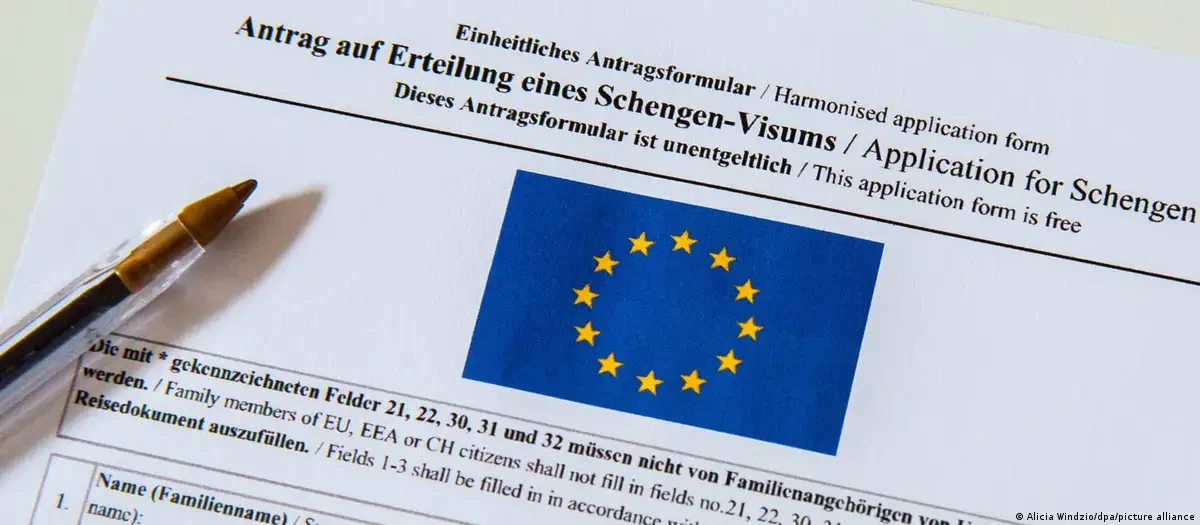
Along with the overall migration strategy, the European Commission also presented the first visa strategy in the context of "regional instability and geopolitical competition." According to Brussels officials, it aims to strengthen security in the EU and create a more coherent visa policy.
Changes in Visa Policy
The strategy includes a departure from traditional visa stickers and the introduction of full digitalization of visa procedures, which is expected to help prevent fraud, overstays, and the use of fake identities.
Visa-free travel is now considered a privilege dependent on the policies and security of third countries. "Visa-free travel is not a permanent right, but a privilege that requires ongoing efforts to maintain," states the new visa strategy. Consequently, the revised mechanism for suspending visa-free travel will serve as a response to "abuses and security issues" in third countries.
Visa Measures as a Means of Political Response
Although Russia is not mentioned directly in the EU visa strategy, the document notes that "in recent years, the EU has faced increasing hostility from a number of third countries, including hybrid attacks and manipulations." In such conditions, the issuance of visas may be deemed "inappropriate," as it creates risks for the security of the EU and its international relations, especially in the case of tourist visas and unofficial trips without justification of the travel purpose.
In the near future, the European Commission may propose to introduce a new category of restrictive visa measures, allowing for mandatory decisions to suspend, limit, or reject visa applications from hostile countries. These measures may target holders of diplomatic and service passports, as well as current and former combatants of the aggressor state. Currently, entry bans to the EU are imposed only within the framework of sanctions regimes, which must be unanimously approved by all member states.
Humanitarian Visas Remain Available
The new visa strategy emphasizes that the issuance of humanitarian visas remains permitted. EU countries can continue to issue short-term visas for humanitarian reasons in exceptional cases, even if standard entry conditions are not met. However, EU legislation does not require member states to issue humanitarian visas for those wishing to apply for refugee status.
Humanitarian visas are not dependent on nationality: each case is considered individually based on exceptional circumstances, such as human rights, political persecution, and other factors.