Against the backdrop of anticipation for a decision on the "Muhammad Ali Boxing Reform Act," this event becomes particularly significant.
This bill, which has received approval from the House of Representatives committee, has been introduced to Congress. If the law is passed and signed by President Donald Trump, Zuffa Boxing will gain the authority to establish rankings, award titles, and enter into exclusive contracts with fighters, similar to the UFC.
What is this law and why is it needed?
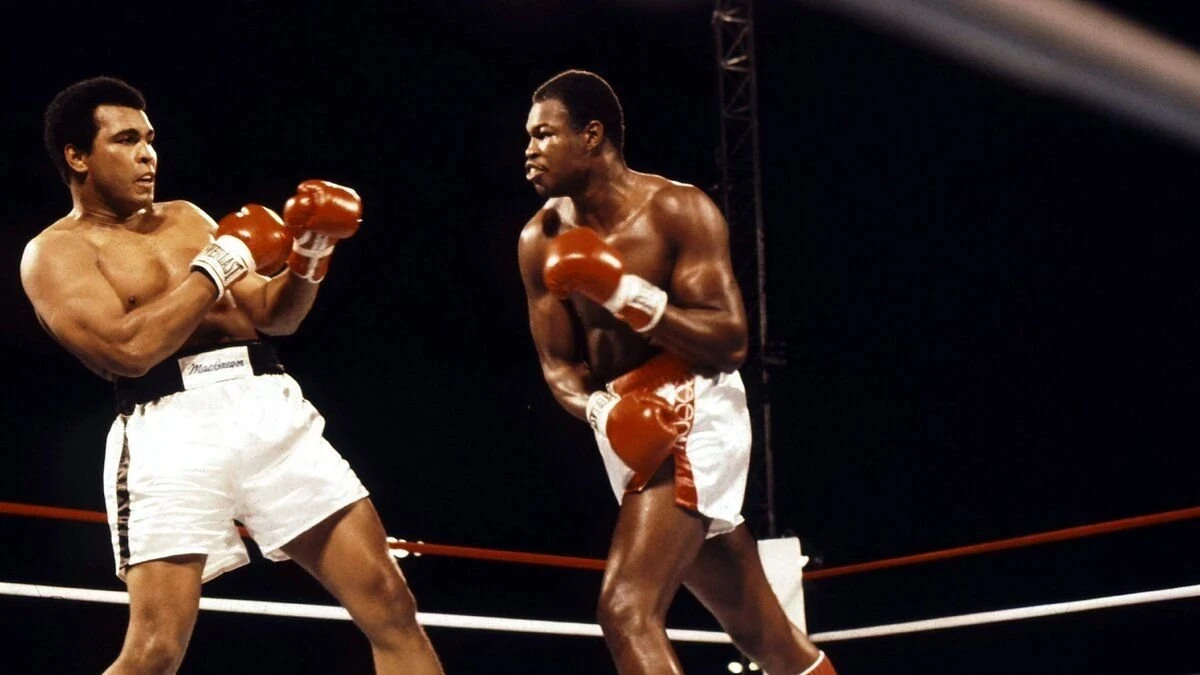
The Act was passed by the U.S. Congress in 2000 to protect the rights of professional boxers. The initiator of this law was Muhammad Ali, who, although not involved in its drafting, advocated for such measures. The law protects boxers from unscrupulous practices by promoters and organizations. It serves as a sort of alternative to unions that operate in other sports. The law also requires promoters to provide financial reporting and to consider the requests of athletes, which contributes to greater transparency. An important measure is the requirement to involve boxing commissions for oversight, as well as a ban on one person holding both promoter and manager roles, which should improve fairness in the boxing industry.
The reasons for creating the law included biased rankings that promote boxers favored by certain promoters, as well as corruption, often mentioned in connection with Don King and WBC president José Sulaimán. There was also criticism regarding insufficient oversight of boxers' health, and even after the law was passed, Ali did not provide for insurance or compensation for athletes, although mandatory medical examinations remained.
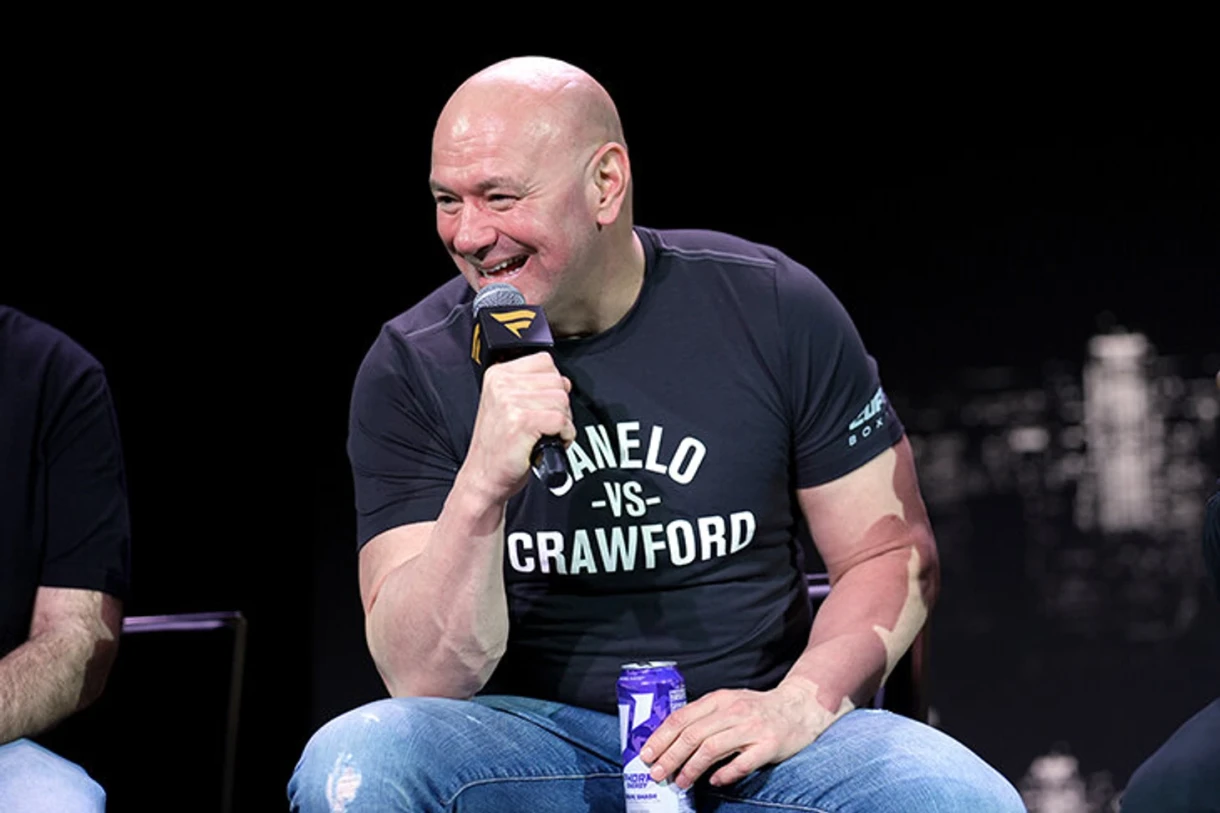
White aims to create a model in boxing promotion similar to the UFC, with the same principles: no unnecessary weight classes, single belts, proprietary rankings, and concealed payouts. Despite criticism of the UFC for low fighter pay, White claims that everyone receives a fair share, allowing the organization to remain profitable. However, the Ali Act obstructs these intentions by requiring the disclosure of financial information so that boxers know what portion of revenues they will receive. Zuffa plans to take responsibility for this data and set pay levels.
It is worth noting that in 2016, there were also attempts to adapt the Ali Act for MMA. Former fighter Markwayne Mullin tried to include mixed martial arts under its framework to pressure the UFC. The main accusations concerned manipulation of rankings and granting title fights at the promoter's discretion, as well as existing exclusive contracts that limit fighters' ability to compete in other leagues. However, the UFC managed to protect its interests in court.
Attorney Eric Magraken expressed concern about the amendments to the law, stating: "The Ali Act was created to put an end to coercive and exploitative practices by promoters and to stop the monopolization of the sport. Boxers fight for titles, while promoters fight for fighters. If promoters control the titles, it will lead to the exploitation of boxers. This bill raises serious concerns among professional boxers, as it undermines the guarantees provided by the Ali Act and could result in promoters gaining full control over the sport."
Niko Ali Walsh, grandson of Muhammad Ali, also opposes the changes: "As a descendant of Ali, I am completely against the amendments to the law. My grandfather fought to protect boxers from deceit. Repealing the law will give promoters control, and athlete payouts will decrease. This law must be preserved to protect boxers who risk their lives."
Nevertheless, there are prerequisites for the adoption of the amendments. The California State Athletic Commission conducted an internal vote, supporting the bill. Although they are concerned about the possibility of monopolization, transparency of payouts, and contract conditions, they also note positive aspects such as insurance and other protective measures for boxers. Promoters like Tom Loeffler and Cory Rapacz also support the changes.
TKO board member Nick Khan thanked the Athletic Commission for their support and noted that Muhammad Ali's widow also agrees with the changes to the law: "On behalf of Zuffa Boxing, we express our gratitude to the California State Athletic Commission for thoroughly considering all opinions expressed at the hearings and for their unanimous support of the 'Muhammad Ali Boxing Reform Act.' This bill does not repeal any of the existing provisions of the Ali Act. We propose an alternative system in which fighters will have more choices, higher payouts, reliable health and safety protections, and greater opportunities to participate in competitions. Furthermore, as the commissions are well aware, the 'Muhammad Ali Boxing Reform Act' is supported by Lonnie Ali, the wife of the greatest of all, Muhammad."