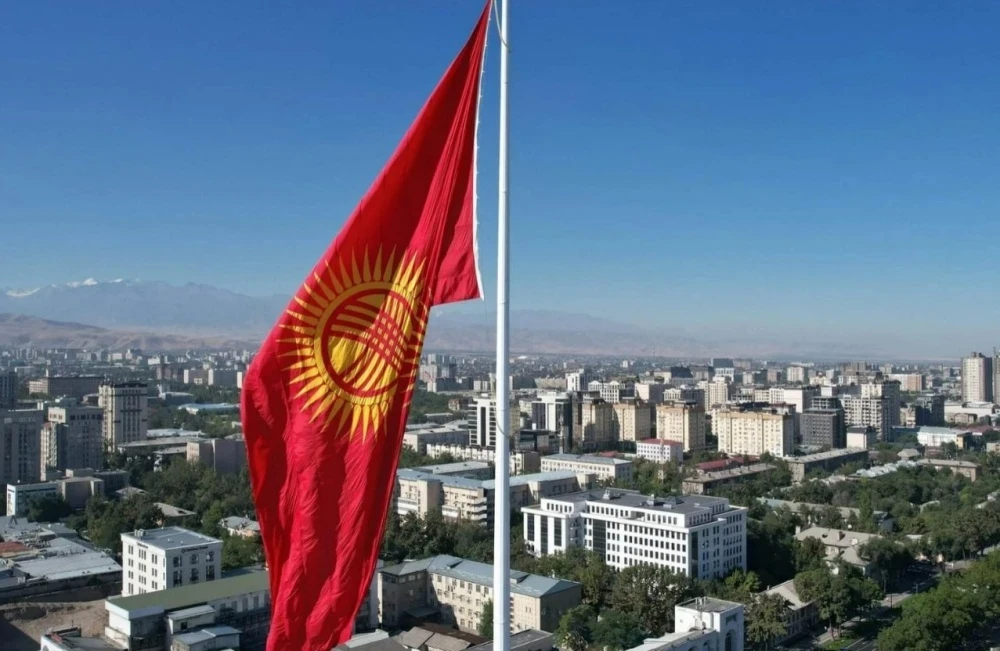
Kyrgyzstan is a unique country in Central Asia. While its neighbors built their power on a stable vertical structure, Bishkek experienced sharp changes: three revolutions in thirty years of independence indicate a pressing demand from society for justice and accountability from the authorities.
Recent constitutional reforms and the transition to a super-presidential model of governance have sparked active debates both within the country and beyond. The main question is whether Kyrgyzstan, by implementing these reforms, has moved towards more effective governance and stability?
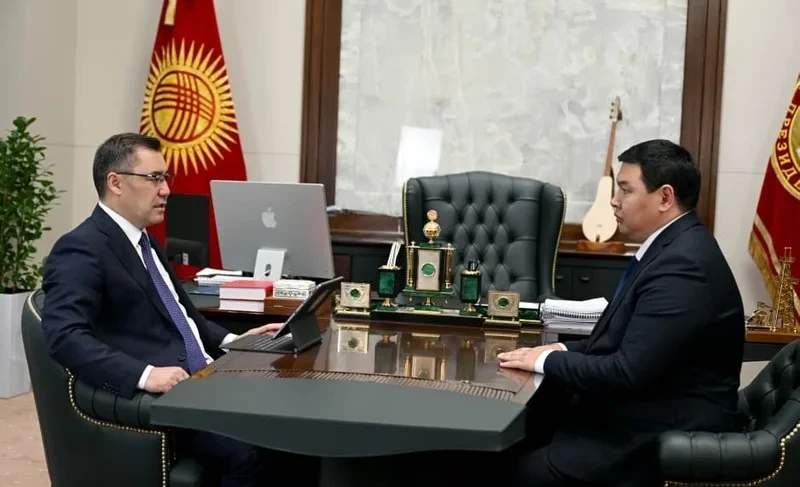
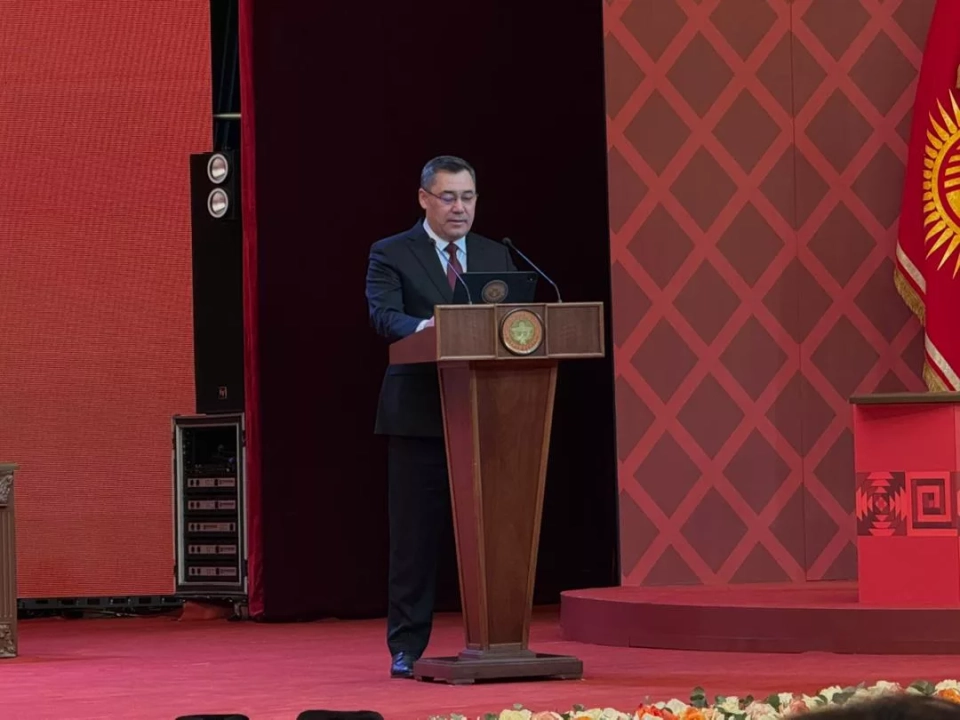
The reasons for the changes are rooted not only in one person's desire to consolidate power but also in a deep crisis of trust in existing institutions. According to the "Public Trust Index," which scored 46.2 points in 2025, there has been an 18% increase in trust compared to the previous year. The head of government, Adylbek Kasymaliev, noted that this reflects high public confidence in the political course of President Sadyr Japarov and his team, as well as real improvements in the socio-economic sphere.
The old system, based on complex parliamentarism, often led to paralysis of power. Legislators, detached from reality, frequently engaged in endless bargaining, and changes in government occurred faster than budget approvals.
Supporters of the new changes pointed to the need for increased efficiency. They argued that for a country struggling with corruption and poverty, a strong decision-making center is necessary. The president, possessing expanded powers, should ensure the rule of law rather than make it a subject of bargaining.
According to a February 2026 survey, 81% of citizens support Sadyr Japarov's activities, and 75% of respondents express confidence in his ability to fulfill presidential duties.
The constitutional amendments adopted in 2021 significantly strengthened the executive branch. Proponents of these changes view it as a step towards rational governance that will allow for the implementation of necessary reforms without constant political conflicts.
However, changes have occurred within the president's team. On February 16, the ministers of transport, natural resources, and emergency situations resigned. On February 24, the minister of health and the deputy chairman of the cabinet of ministers were replaced.
The resignation of the transport minister was predictable, given that the president had spoken about road issues in Bishkek back in 2024.
Recently, the minister of health also changed. Erkin Cheichebaev, who was appointed to this position, was soon replaced by Kanibek Dosmambetov, who has experience in law enforcement. The problems in the healthcare system, which have accumulated over the years, require a comprehensive approach. As the former minister noted, the main reason for inefficiency lies in the lack of strategic vision.
There are serious staffing issues: Kyrgyzstan has one of the lowest rates of healthcare worker availability. The country has only 17 specialists per 100,000 population, which is significantly lower than, for example, in Russia. This is due to low wages, which force doctors to seek better conditions abroad, most often in Russia. The president has set tasks to improve the situation, but so far without significant results.
It is clear that solving these problems in the short term is impossible; however, their resolution is extremely necessary. It is important to note that eliminating managerial chaos should not lead to the destruction of mechanisms for control and checks and balances.
Kyrgyzstan is in a state of transition, where the desire for stability coexists with active citizen participation in governing the country. Reforms have undoubtedly brought a semblance of efficiency and allowed for the resolution of a number of issues that would have been impossible under the previous system.
However, if this efficiency is achieved by suppressing opposition and limiting media freedom, then its cost is too high. History shows that systems without mechanisms of control sooner or later face new unrest.
Of course, extremist groups or foreign sponsors should not be allowed to influence the system of representation. However, the complete suppression of civic activity is also unacceptable.
The future of Kyrgyzstan will depend on the current leadership's ability, possessing strong power, to demonstrate political wisdom: to effectively address problems and respect citizens' right to criticize, in order to avoid repeating historical mistakes. At this moment, the country is a vivid example of how one can quickly transition from strong governance to authoritarianism.
Polina Becker