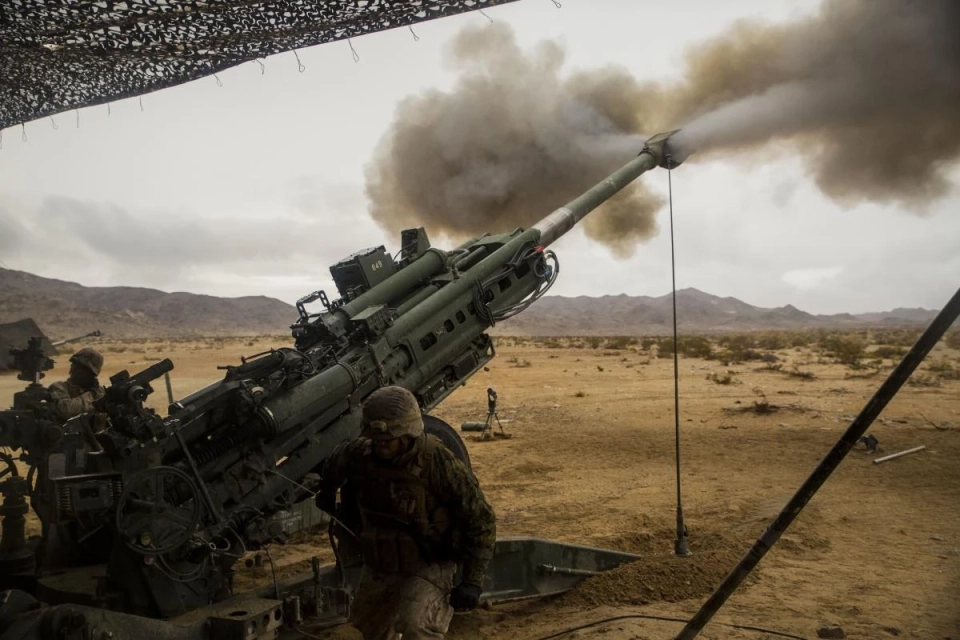
Recently, millions of users witnessed a video published by the White House, showcasing U.S. strikes on targets in Iran. This clip resembled Call of Duty: it mixed real combat footage with elements from the game, including "kill streak" animations that created the illusion of achievements. This information was presented by Daniel Baldino, a lecturer in political science and international relations at the University of Notre Dame, Australia.
The visual language of video games and internet memes is increasingly used by governments to illustrate wars. This not only diminishes the seriousness of violence but also complicates empathy for the victims, reducing our reaction to suffering.
Tactics shape the perception of violence and subtly influence whose deaths are recorded as significant.
War as Memes and Viral Content
U.S. Secretary of Defense Pete Hegseth noted the strikes and announced the expansion of a military campaign called "Operation Epic Fury," which brought military leadership closer to combat enthusiasts.
The White House video was just one example. Military footage is actively published on social media, transformed into game clips or memes: drone strikes with graphics, explosions set to upbeat music. In one video from the Department of Homeland Security, music from Pokémon was used.
However, the same factors that make content viral distort the reality of what is happening. Important context is often lost. Who became a victim? Were there civilians among the casualties? Was the strike legitimate? Such questions are rarely discussed in 20-second clips.
The visual language of war is not neutral. It contains cues about what emotions should be felt. The problem is exacerbated when governments deliberately use the language of video games to illustrate real operations. However, this language carries no consequences.
The meme culture only worsens the situation. Irony and humor counter grief, creating distance. When violence is presented as a joke or a highlight reel, the emotional reality of events becomes hard to access.
Although the war continues, its consequences are no longer perceived as they once were.
From CNN to Call of Duty
The concept of the "CNN effect," related to television coverage of conflicts such as the Vietnam War and Somalia, was based on the principle of proximity. Footage of suffering brought distant wars into viewers' homes, creating moral pressure on authorities.
Although this process was imperfect and selective, the underlying logic was that "seeing" generates "feeling," and feeling generates responsibility. The camera captured moments. Correspondents mentioned the names of the deceased. Viewers had the opportunity to reflect on what they saw.
This model began to crumble even before the advent of social media. The Gulf War of 1991 introduced a new aesthetic: precision strikes filmed from above, where targets appeared as abstract geometric shapes on screens with a green tint.
Human bodies disappeared from the frame, giving way to the promise of technological precision: "smart" bombs or "pinpoint" strikes. American critic Susan Sontag noted that such perception trains viewers to see military technologies rather than the consequences of war.
The Unbearable
Philosopher Judith Butler reflected on the "ability to mourn," which determines which lives are worthy of grief. Not all deaths are perceived equally. Some bodies, influenced by culture and politics, fall outside moral condemnation.
The visual language used by the White House turns people into game avatars. And avatars, by their nature, do not evoke pity. They become targets, deaths that should be marked.
On February 28, a U.S. strike on the Shajareh-Tayebe elementary school in Minab killed more than 160 girls, most of whom were under 12 years old. These events were not mentioned at all in the White House materials.
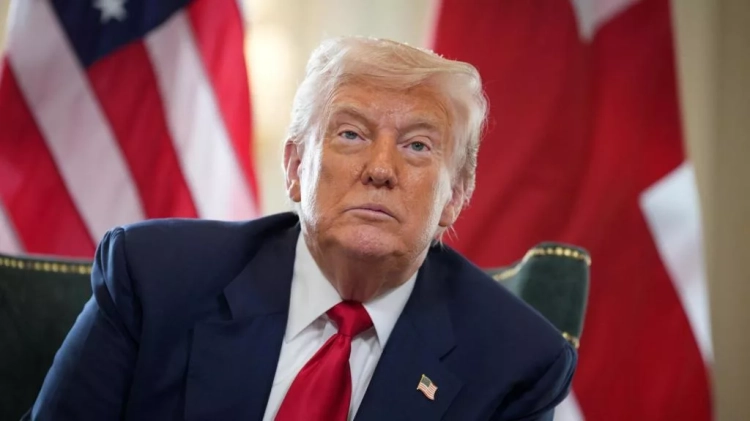
Under pressure, President Trump stated that Iran could have struck the school itself using a Tomahawk missile, adding, "I just don't know enough about it. Whatever the report shows, I'm ready to accept it."
Meanwhile, Hegseth disbanded the Pentagon's mission to protect civilians and fired military lawyers responsible for upholding international law, calling them "obstacles."
Democratic control over war depends not only on information but also on moral response: the ability to recognize the significance of what is happening.
What Can Be Done?
Memes will continue to spread, and governments will fight for attention in an oversaturated digital space.
However, it is important to realize what is at stake. The problem is not just the lack of context in viral videos (though it is indeed absent). It lies in the fact that the visual grammar used in such materials actively hinders the emotional reactions necessary for serious public discussion.
Wes J. Bryant, a former targeting specialist in U.S. special operations, put it bluntly:
We are moving away from the norms that we have tried to establish as a global community, at least since World War II. There is no accountability.
Viewers can also learn to pause. Not only to ask what happened but also to understand what emotions prevent them from experiencing the format of what is happening and toward whom. This question, if approached seriously, becomes the beginning of accountability.
War should not be perceived as a series of bright moments. It should be seen as loss, uncertainty, grief, and irreversible destruction. Restoring this understanding is not only a matter of media literacy but also a moral challenge.
The post "Deadly Strike or Call of Duty Video? How the U.S. Government Tries to Turn the War with Iran into Memes" first appeared on K-News.