(updated) The price of Brent crude oil has increased by 2.4%, reaching $87.30 per barrel, the highest level since the beginning of the conflict in the Middle East.
The price increase followed a statement by Qatar's Minister of Energy Saad al-Kaabi, who noted in an interview with FT that the conflict could "collapse the global economy." He also suggested that energy-exporting countries in the region might halt production within weeks, leading to a spike in oil prices to $150.
It has come as a surprise to Congress and the general public how costly this military operation is for the U.S. government. Estimates suggest that expenses amount to $1 billion per day.
The Pentagon is reportedly preparing another budget request for $50 billion, which will be directed toward replacing Tomahawk, THAAD, and Patriot missiles used in the early days of the conflict, as well as restoring other equipment damaged during intense combat.
Congress has already expressed concerns about the budget deficit and rising federal debt. The request for an additional $50 billion could raise serious questions among some lawmakers.
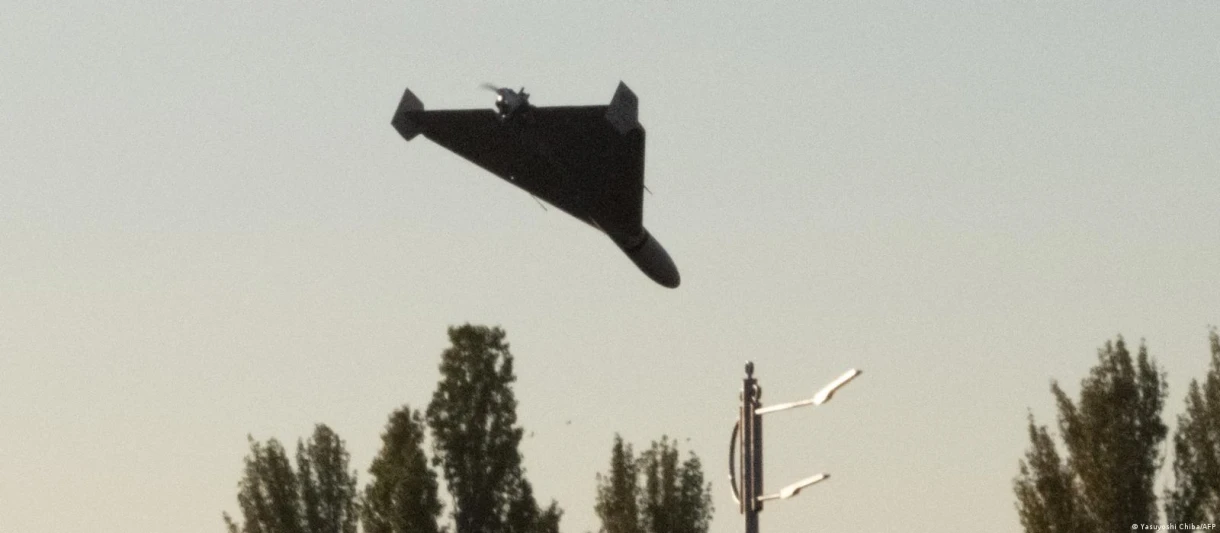
Iran continues to carry out missile and drone attacks in the Persian Gulf, while the U.S. and Israel claim that their operation, codenamed "Operation Epic Fury," is delivering significant blows to the Iranian military.
According to estimates from the Center for Strategic and International Studies (CSIS), the cost of the first 100 hours of "Epic Fury" operation amounted to $3.7 billion, roughly equivalent to $891 million per day.
In brief:
- Powerful explosions occurred in various areas of Tehran, including residential neighborhoods and the vicinity of Tehran University, as the war continues into its seventh day.
- The Israeli Air Force attacked cities in southern and eastern Lebanon, including Duris in the Bekaa Valley, and struck southern suburbs of Beirut.
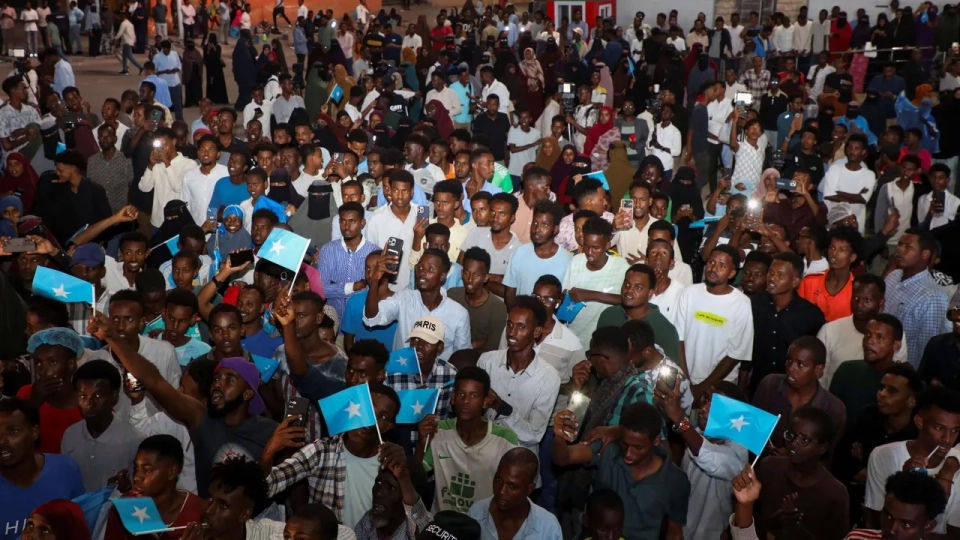
Protests are expected in several cities in Pakistan, including Islamabad, after Friday prayers.
The Islamabad police have already announced the blocking of most entrances to the Red Zone, where key government institutions and diplomatic missions are located.
Additionally, protests are also anticipated in Karachi, Quetta, and other cities.
On Sunday, the day after the start of U.S. and Israeli attacks in Iran, at least 23 people died during protests across the country, with 10 killed while a group of protesters attempted to breach the U.S. consulate in Karachi.
Riots also occurred in Gilgit-Baltistan, which has a significant Shia population. At least 13 people, including a security officer, were killed, and several offices were set on fire.
The future Supreme Leader of Iran may have already been chosen, but his name has not yet been disclosed.
Zohre Kharazmi, an associate professor at Tehran University, dismissed rumors that eight members of the Iranian Assembly of Experts are boycotting the election of a new Supreme Leader, calling them "rumors."
She also hinted that the Supreme Leader may have already been elected, but his name has not yet been revealed.
“Ensuring the security of the future leader is a very reasonable decision… it is a very rational security protocol,” she said in an interview with Al Jazeera from Tehran.
The professor also added that the Kurds support Iran, despite reports that Iranian Kurdish armed groups may have consulted with the U.S. regarding attacks on Iranian security forces in the west of the country.
Yesterday, Iranian military forces began an operation against Kurdish groups in their semi-autonomous region in neighboring Iraq.
“I consider this… political propaganda… The Iranians will suppress them, and I don’t think they will be able to take any effective action,” Kharazmi added.
“In Tehran, I observe high social solidarity and support for the Islamic Republic.”
Israeli media reported that one person was injured as a result of debris from an intercepted missile falling in central Israel.
The Israeli Ministry of Health previously reported that since the beginning of the conflict with Iran on Saturday, more than 1,600 people have received treatment in hospitals.
As a result of the conflict, 11 people have died.
Azerbaijan has decided to withdraw its diplomats from Iran to ensure their safety, said Foreign Minister Jeyhun Bayramov.
This step was taken the day after Baku reported that four Iranian drones crossed its border and injured four people in the Nakhchivan exclave.
He added that Azerbaijan is evacuating staff from its embassy in Tehran and its consulate general in Tabriz.
Iran denies accusations of using drones.
Internet has been blocked in Iran for six days, according to NetBlocks data
According to data from the independent internet monitoring group NetBlocks, internet access has been unavailable in Iran for six days.
It is reported that in the country "only 1% of the population has connectivity at the 144-hour mark."
The internet shutdown is one of the factors complicating international news agencies' coverage of events in Iran.
Earlier this year, the Iranian government also shut down the internet in response to anti-government protests.
The post War in Iran: Oil Prices Rise, Military Spending Shocks the U.S. What Else Is Happening? first appeared on K-News.