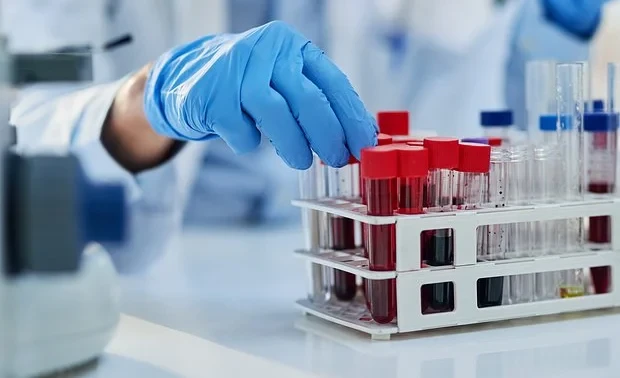
A study published in the Journal of Medical Virology (JMV) revealed that patients with post-COVID syndrome have unusual microstructures in their blood. These formations may be associated with symptoms such as chronic fatigue, "brain fog," and difficulty breathing. In individuals who have recovered from COVID-19, the number of abnormal microthrombi in the blood is nearly 20 times higher than that in healthy individuals; they differ in size and density and are significantly more resistant to breakdown.
Furthermore, the researchers noted a significant increase in the level of NET structures—sticky "nets" made of DNA and enzymes that are released by immune cells to capture pathogens. It was previously thought that NETs and microthrombi were independent markers of inflammatory processes; however, the study showed that in patients with post-COVID syndrome, these two structures are closely interconnected. Dense complexes consisting of microthrombi and NET structures may hinder blood flow in small vessels and sustain chronic inflammation, which explains the persistent physical and cognitive impairments.
The difference in blood samples was so pronounced that an artificial intelligence algorithm was able to identify the blood of patients with post-COVID syndrome with 91% accuracy based on the characteristics of the microthrombi. The researchers suggest that the combination of these abnormal microthrombi with NET structures could become the first reliable biomarker for diagnosing post-COVID syndrome.