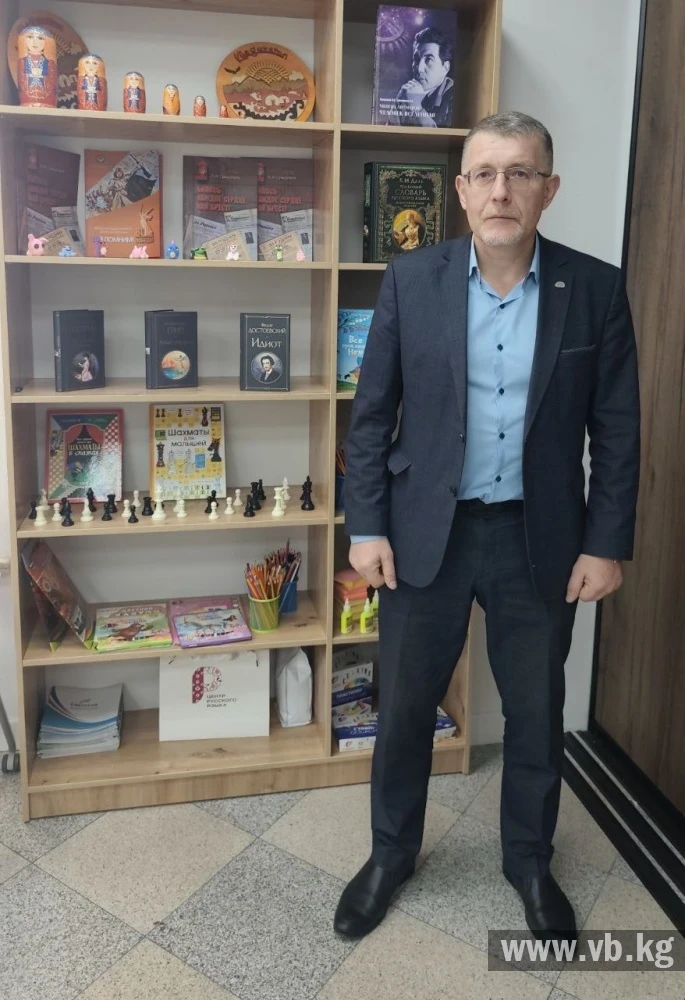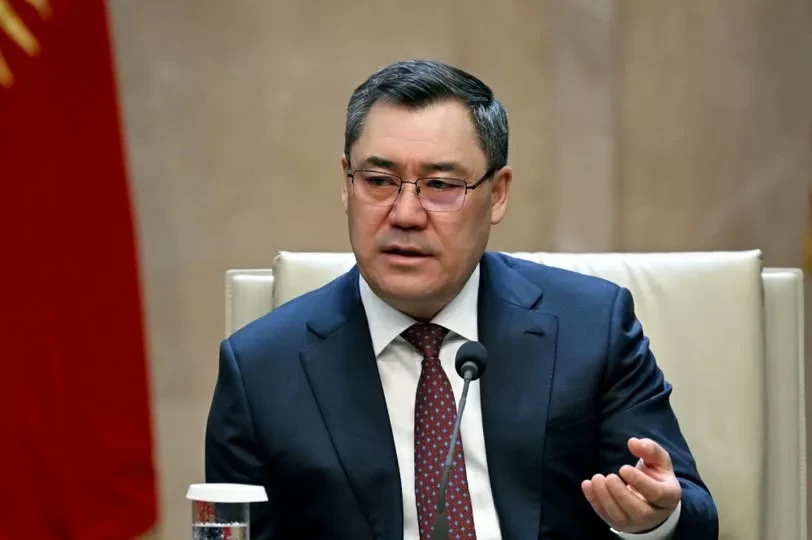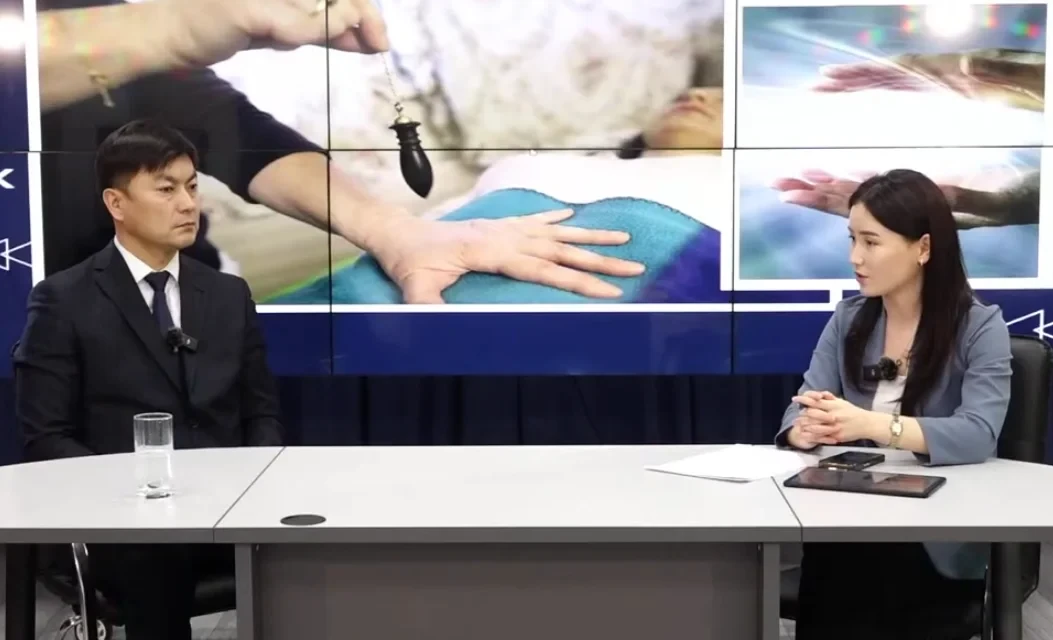
The head of the licensing department of the Ministry of Health of the Kyrgyz Republic, Aman Osmonov, spoke on the program "Elden Sobol" about how belief in unconventional healers is often explained by the placebo effect and deep despair of patients.
He noted that according to global medical data, the placebo effect can be observed in 20% of patients. For example, when a person firmly believes that vitamin C can heal them, they may experience a temporary improvement in their condition.
“Many turn to healers when they feel complete hopelessness. Some of them claim they can cure cancer in its final stages. But let's be honest: if folk healers could really handle what modern medicine cannot, they would have long received a Nobel Prize,” Osmonov stated.
He shared a personal experience, recounting that his parents died from cancer. At that time, relatives suggested turning to alternative medicine, as the saying goes, “hope dies last.” Such circumstances, in his opinion, make people particularly vulnerable to deception.
“Those who become victims of such 'healers' rarely turn to law enforcement, as they believe they chose this path themselves, or they attribute the sad outcome to the inevitability of death,” he added.
Osmonov also emphasized that legal medical practice undergoes eight stages of verification.
To obtain a license from the Ministry of Health, a specialist must meet the following requirements:
- having the appropriate medical education;
- having a suitable facility that meets sanitary standards;
- necessary equipment;
- strict adherence to aseptic and antiseptic rules, and so on.
“A license is issued only when all these requirements are fully met,” he concluded.