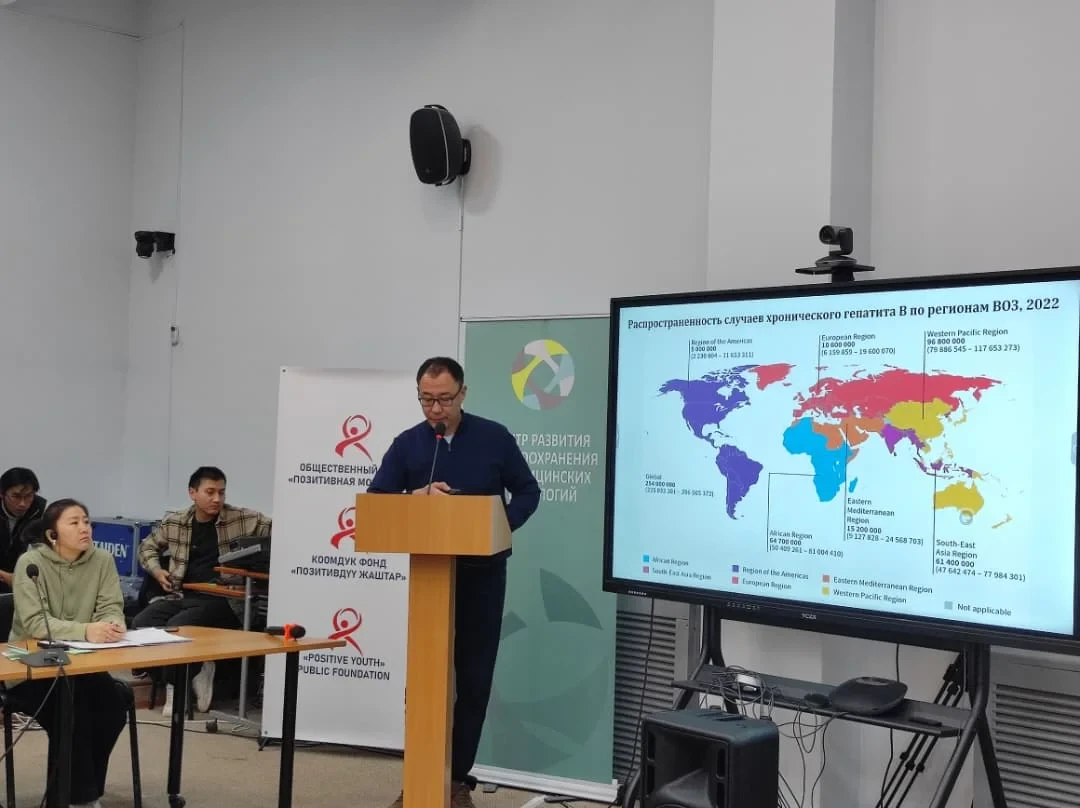
At a recent briefing, psychiatrist Boris Li from the Family Medicine Center No. 6 discussed the concept of mental disorders and their prevalence.
He defined a mental disorder as a condition in which mental symptoms meet certain diagnostic criteria, allowing specialists to make a diagnosis and provide treatment. In general, the presence of certain signs indicates mental health issues that require medical intervention.
Li emphasized that there are no universal signs of mental disorders due to their diversity. As an example, he mentioned depressive disorder, which manifests as a loss of interest in life, decreased social activity, prolonged mood deterioration (lasting at least 14 days), feelings of helplessness, and low self-esteem, as well as more serious symptoms.
The specialist explained that the combination of symptoms forms a psychopathological syndrome, and several such syndromes may indicate a specific disease.
“According to the GBD data for 2019, which unfortunately has not been updated, it should be noted that depressive disorders, alcohol-related disorders, and anxiety disorders are the most common. These three groups make up the majority of visits to the Family Medicine Center. Disorders such as schizophrenia and bipolar disorder are less common, but they require more careful monitoring and serious treatment,” he noted.
According to GBD extrapolation, depression affects about 3.3% of the population, with women being the most affected. Anxiety disorders account for about 2.1% and also predominantly affect women.
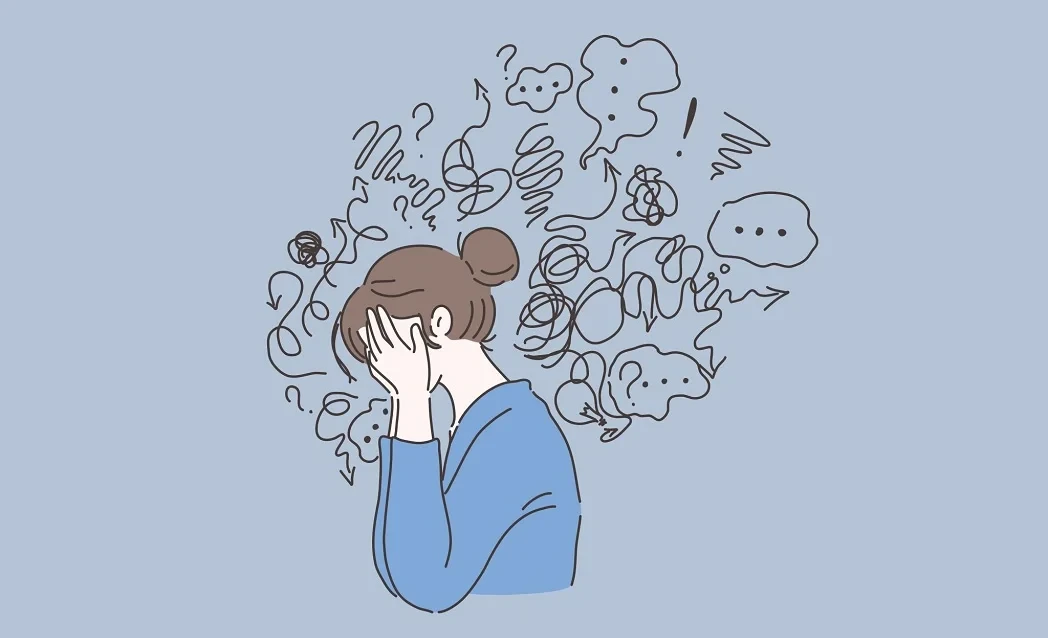
Li added that anxiety disorders can manifest in various forms, including panic disorder (panic attacks), generalized anxiety disorder, as well as milder but more common types such as social anxiety and specific phobias.
In the case of generalized anxiety disorder, a person experiences a constant and unfounded sense of anxiety that does not depend on the time of day or surrounding circumstances and can create a significant burden on the economy, social life, and family.
“Such problems are most often observed among youth and middle-aged individuals. WHO statistics for 2024 confirm that depression and anxiety disorders are more prevalent in this group. For example, in 2022, more than 33% of adolescents experienced deep sadness or hopelessness almost every day for more than two weeks in the past year. Among 15-year-old girls, this figure reaches 47%. In older adults, organic disorders, cognitive decline, mild cognitive impairment, and dementia are more frequently observed, while depression is recorded less often than in the working-age population,” he added.