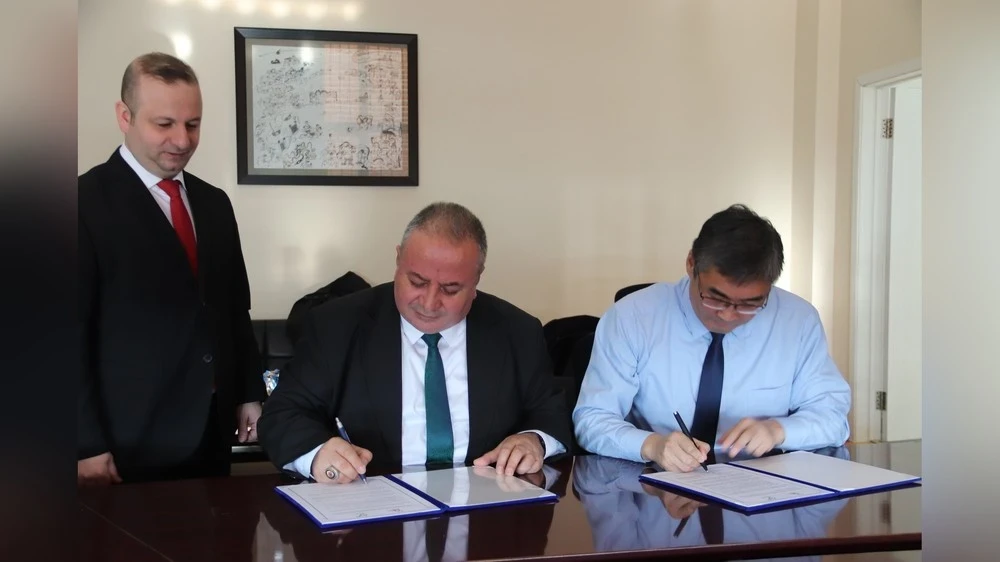
The National Center for Cultural Heritage, operating under the auspices of the Ministry of Culture, Sports, Tourism, and Youth of Mongolia, has signed a memorandum of understanding with the Turkish Institute of Archaeology and Cultural Heritage. The agreement was signed by the Center's director, Dr. Enkhbat Galbadrakh, and the president of the Turkish Institute of Archaeology, Professor Dr. Şaban Doğan. Details about this can be found on the official Facebook page of the Ministry here.
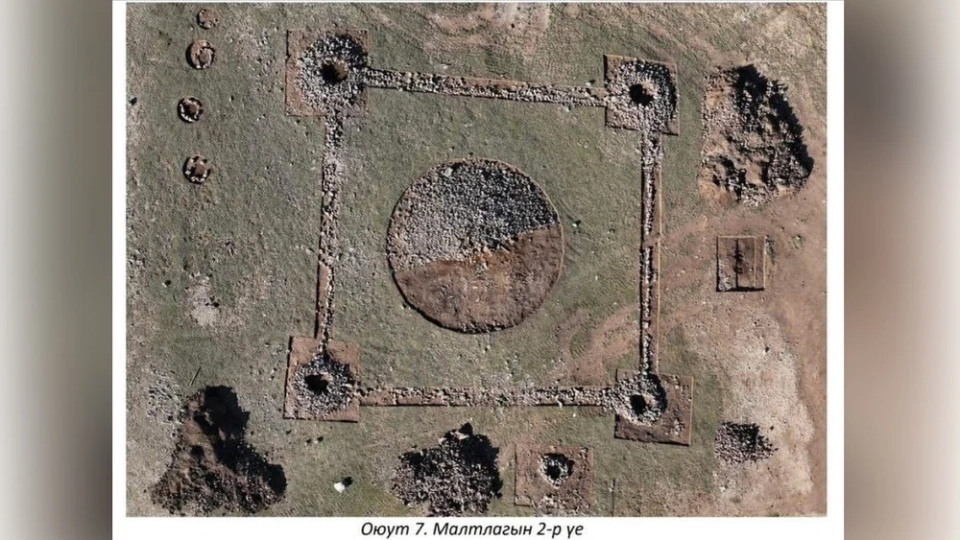
According to information provided by the National Center for Cultural Heritage, this agreement includes the implementation of a joint project that will focus on the study of ancient monuments from the time of the Turkic Khaganate in the Tuul River valley. The project will emphasize ethnoarchaeology, climate change studies, as well as the preservation and protection of historical and cultural heritage.
The project is planned for five years and involves the participation of professional institutions in Mongolia specializing in history, archaeology, ethnology, linguistics, and natural sciences, as well as local authorities.

As part of this project, joint archaeological and scientific research will be conducted, and a unified database of the results obtained will be created. The agreement also includes the exchange of academic and professional personnel, the organization of training courses, seminars, and scientific conferences, as well as joint publications in the field of archaeology and cultural heritage.
It is expected that the results of the joint research will help assess the conditions for the preservation of cultural heritage objects in the Tuul River valley, develop strategies to mitigate the effects of climate change, and expand bilateral cooperation in archaeological research. This should also strengthen academic ties, develop best practices for heritage conservation, and raise public awareness of cultural heritage.