According to the minister, such a situation raises serious concerns.
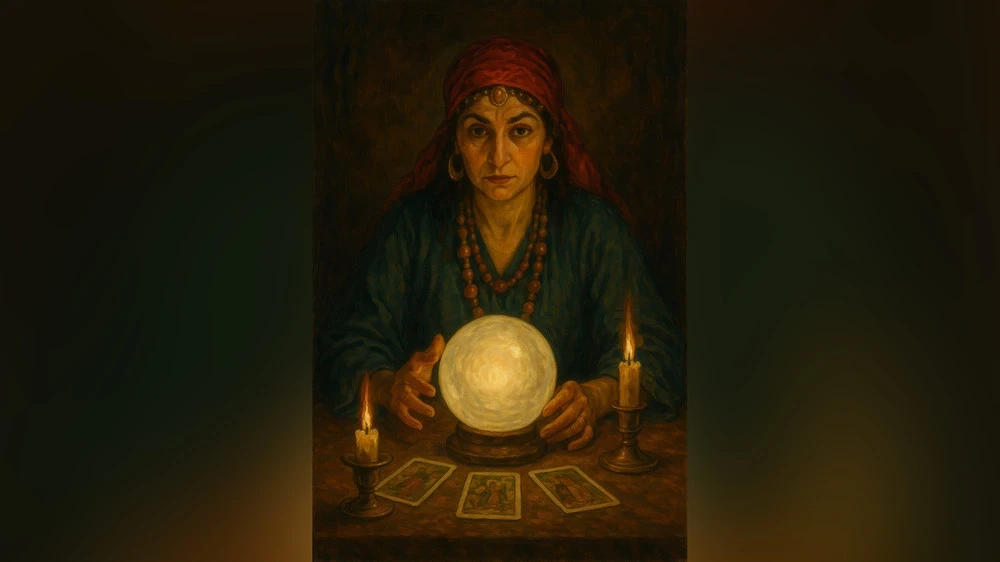
“There is still a belief in witchcraft and magic among the population. Sorcerers and 'wandering mullahs' continue to push people towards terrorism and extremism,” noted Rahimzoda.
A registry of sorcerers and fortune-tellers was created in Tajikistan in 2024. It includes not only those who earn from such activities but also their clients.
Rahimzoda also pointed out that many Tajik citizens actively participate in Umrah (the minor pilgrimage), and last year their number exceeded 7,500 people. To undertake these trips, many take out loans from banks. Despite the fact that in Islam, magic and similar practices are considered sinful, the belief in witchcraft and fortune-telling continues to persist.
Religion expert Rustam Azizi claims that people turn to supernatural forces to cope with problems in life, such as health issues, family difficulties, or business problems.
“This happens due to the low level of scientific and religious education,” he adds.
Although it would be wiser in such situations to consult psychologists, Tajik citizens do not trust them. Azizi explains that this is related to the characteristics of the local school of psychology, which is based on Soviet approaches and views psychological issues predominantly from a physiological perspective.
As reported by "Asia-Plus," fortune-tellers and sorcerers are legally prohibited in Tajikistan. Engaging in magic is punishable by an administrative fine of up to 100 indicators for calculations — this amounts to 7,800 somoni ($826) or arrest for up to 15 days.
In case of repeated violations, criminal liability may ensue. According to the current code, magicians face fines of up to 150,000 somoni (about $16,000) and imprisonment for a term of one to two years.