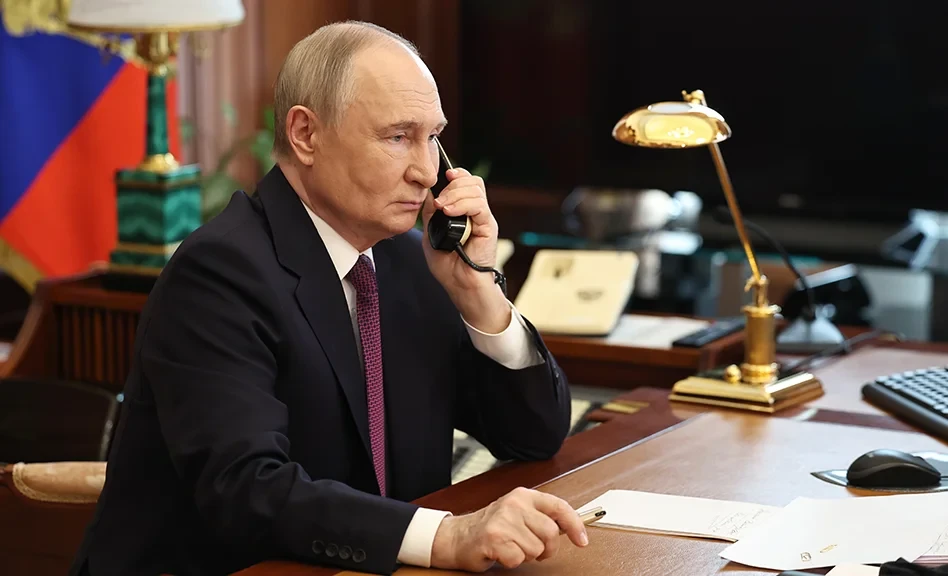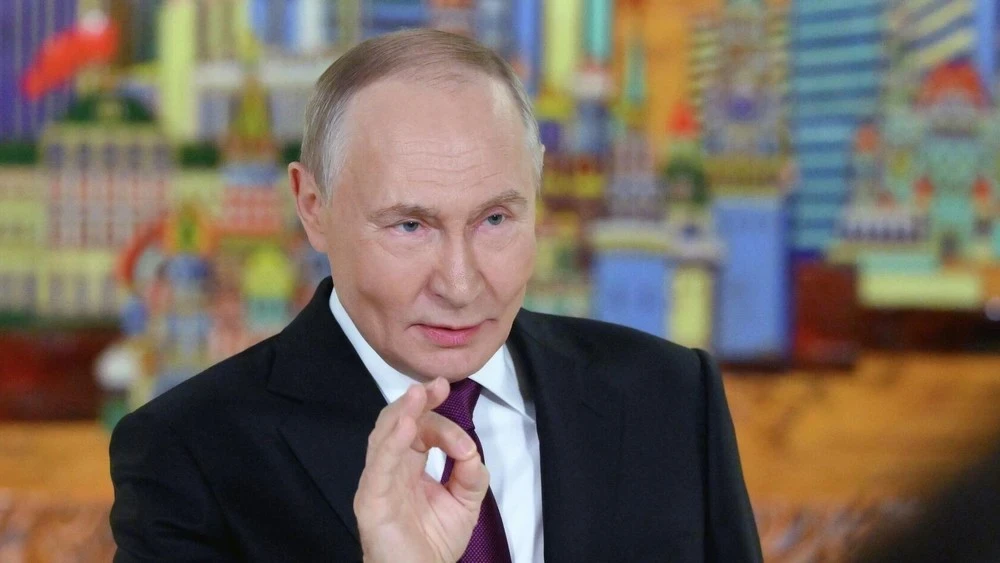
Putin emphasized that Russia is open to cooperation with European countries; however, a clear signal of intent to establish long-term and stable relationships free from political influence is required from them. "If European companies decide to change their direction and are ready for reliable partnership, we are ready for that," he added, commenting on the situation with oil supplies through the Hormuz Strait.
According to the president, Russia needs certain signals regarding the readiness of European countries for joint work that ensures the stability and sustainability of supplies.
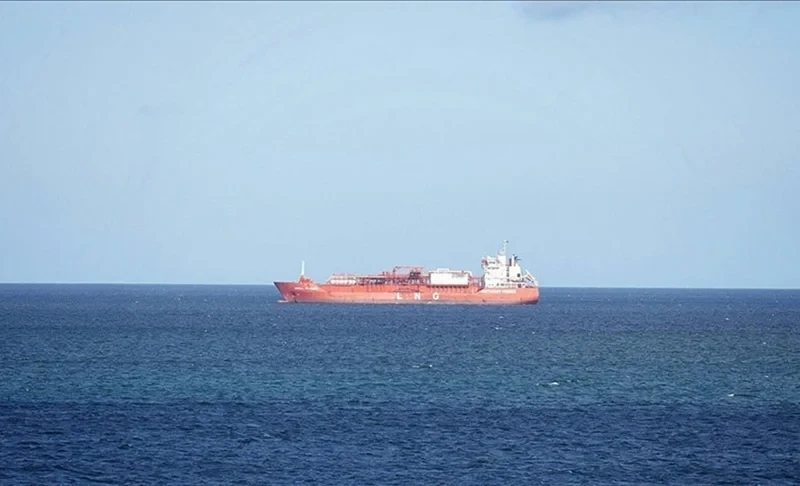
Putin also noted that he instructed the government to consider the possibility of supplying Russian fuel to the European market and not to wait until Europe "closes its doors." In response, the government announced plans to redirect liquefied natural gas supplies from Europe to "friendly" Asian countries.
The president added that in the near future, Russia will continue to supply oil to the Asia-Pacific region, as well as to Hungary and Slovakia.
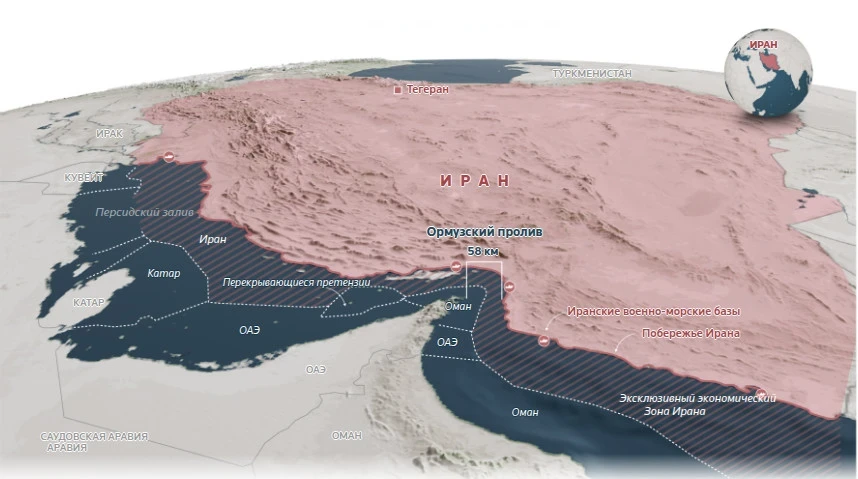
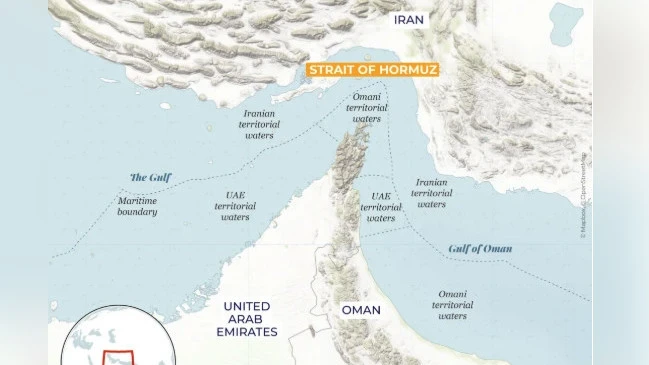
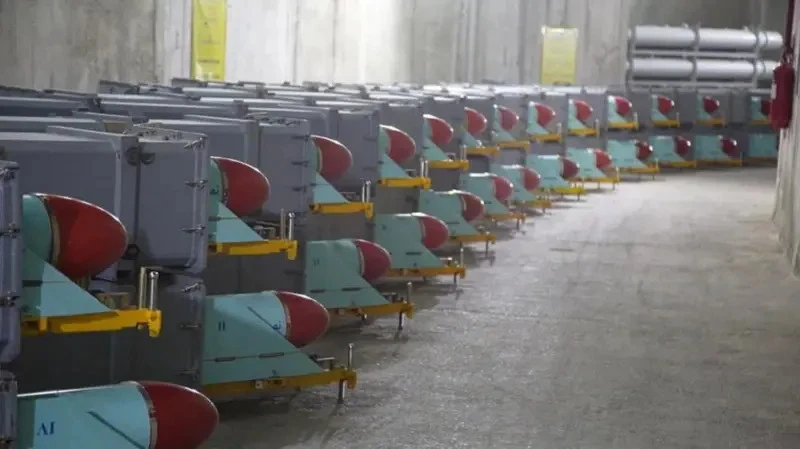
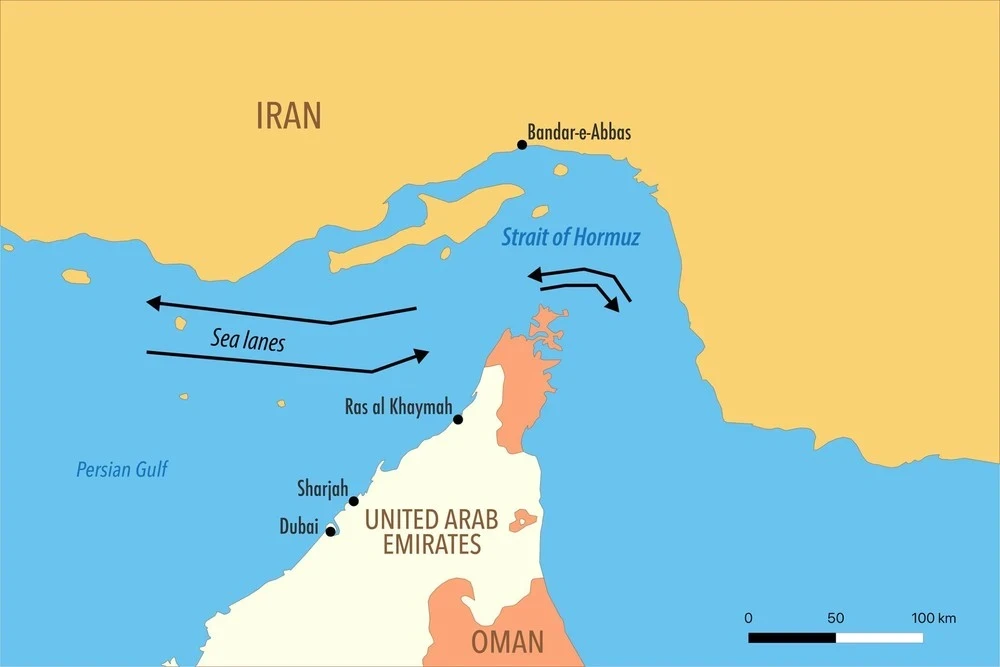
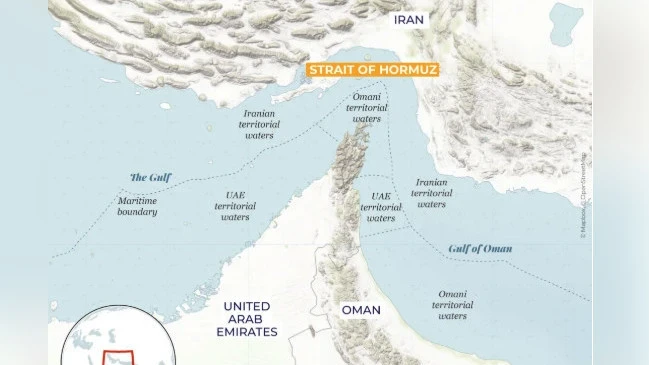
It is important to note that the Hormuz Strait is a crucial route for global oil trade, through which 20% to 25% of all cargo passes. Following the onset of the conflict between Israel and the USA, Iran announced its intention to block this strait, which caused a sharp rise in oil prices.
Amid the situation in the Middle East and changes in oil and gas prices, Vladimir Putin once again raised the issue of redirecting gas supplies from Europe to Asia.