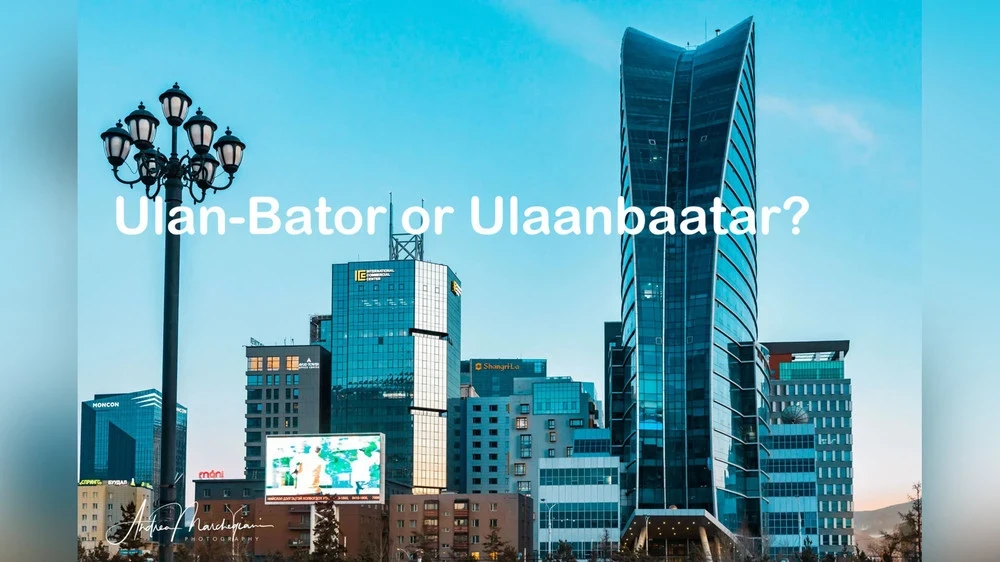
According to MiddleAsianNews, the Ministry of Culture, Sports, and Tourism of the Republic of Korea has decided to change the spelling of the capital of Mongolia from ‘Ulaanbaatar’ to ‘Ulaanbaatar’
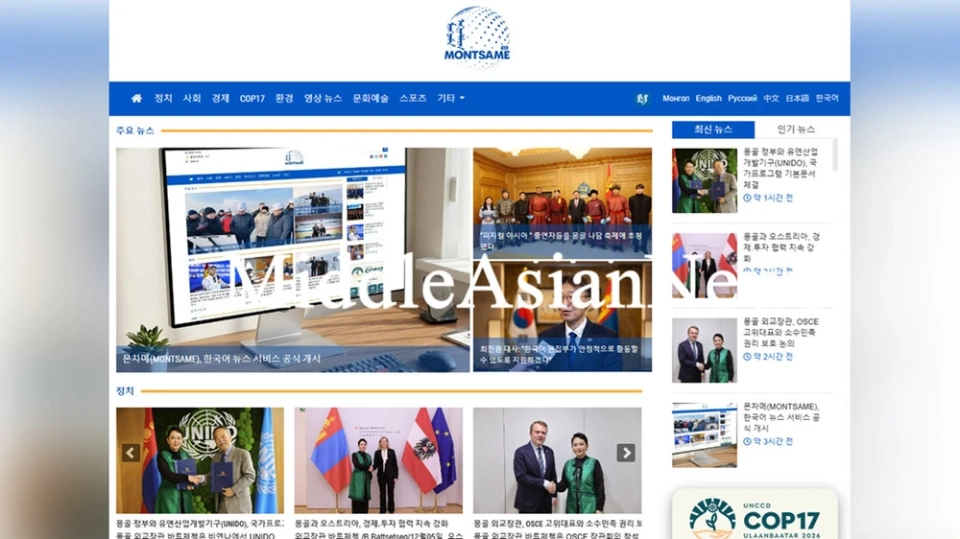
The integrated portal for information on state policy of the Republic of Korea has issued a call stating “몽골 수도는 '울란바타르'로 표기하세요” or “Please use the spelling of the capital of Mongolia as ‘Ulaanbaatar’.”
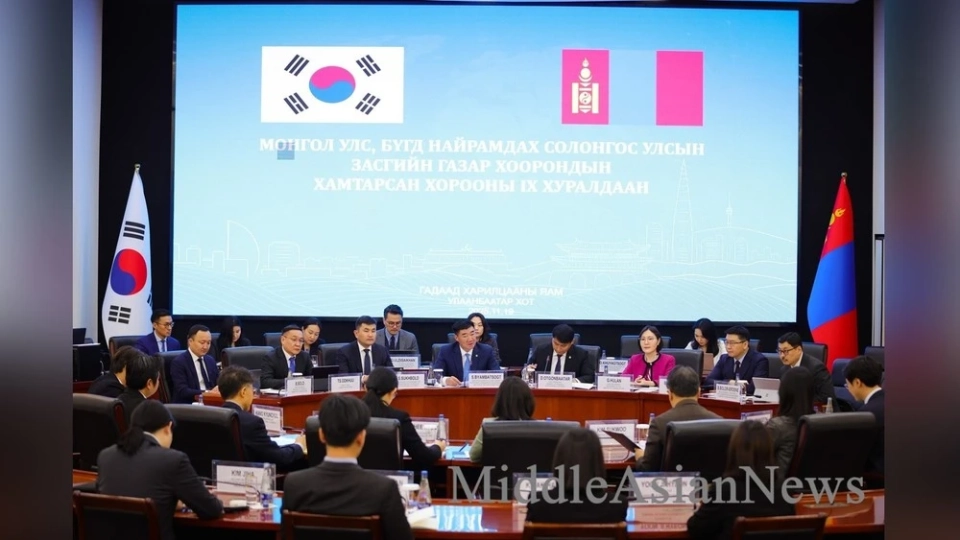
The official change regarding the spelling of the capital of Mongolia was announced by the Ministry of Culture, Sports, and Tourism of the Republic of Korea in conjunction with the National Institute of the Korean Language.
During discussions initiated by the Ministry of Foreign Affairs (Minister Cho Hyun), the Ministry of Culture and the National Institute agreed to change the spelling of the capital's name from ‘Ulaanbaatar’ to ‘Ulaanbaatar’. This decision was made to eliminate confusion arising from differences between Korean and Mongolian spelling, as stated in the announcement from the integrated portal for information on state policy of the Republic of Korea.
Previously, the capital of Mongolia was traditionally written as ‘Ulaanbaatar’ in Korean; however, this spelling did not correspond to the local pronunciation and orthography, creating administrative difficulties. In this regard, the Ministry of Foreign Affairs requested changes to reflect the opinions of both the Korean public and the local Mongolian community.
The Ministry of Culture and the National Institute of the Korean Language held the “First Meeting of the National Institute of the Korean Language Committee on Foreign Proper Names 2026” to address the issue of the spelling of the capital of Mongolia in Hangul. As a result of the discussions, it was decided to use the spelling ‘Ulaanbaatar’, which reflects the local pronunciation.
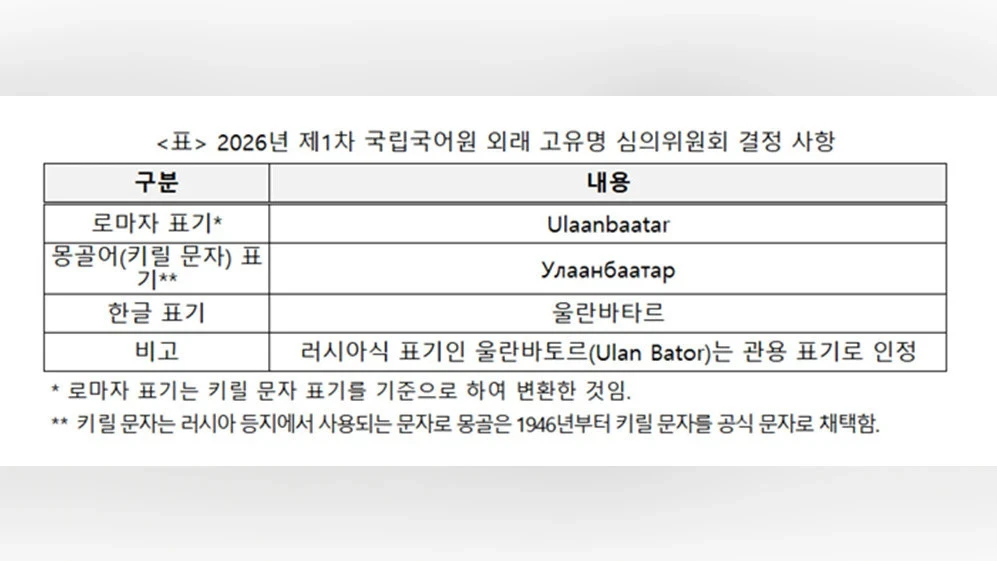
Since diplomatic relations were established between Korea and Mongolia on March 26, 1990, the countries have collaborated and developed exchanges, significantly strengthening ties between the two peoples. Representatives from the Ministry of Culture, Sports, and Tourism and the National Institute of the Korean Language noted: “We hope that the new spelling, which takes into account local pronunciation, will contribute to strengthening mutual understanding and trust between our countries.”
A representative from the Ministry of Foreign Affairs emphasized that “the Mongolian side insisted on changing the spelling, considering the close relations between Korea and Mongolia. We welcome this decision, as it meets public demands regarding the confusion in spelling. We are confident that this will lead to the strengthening of bilateral ties and friendly relations between the peoples of both countries.”