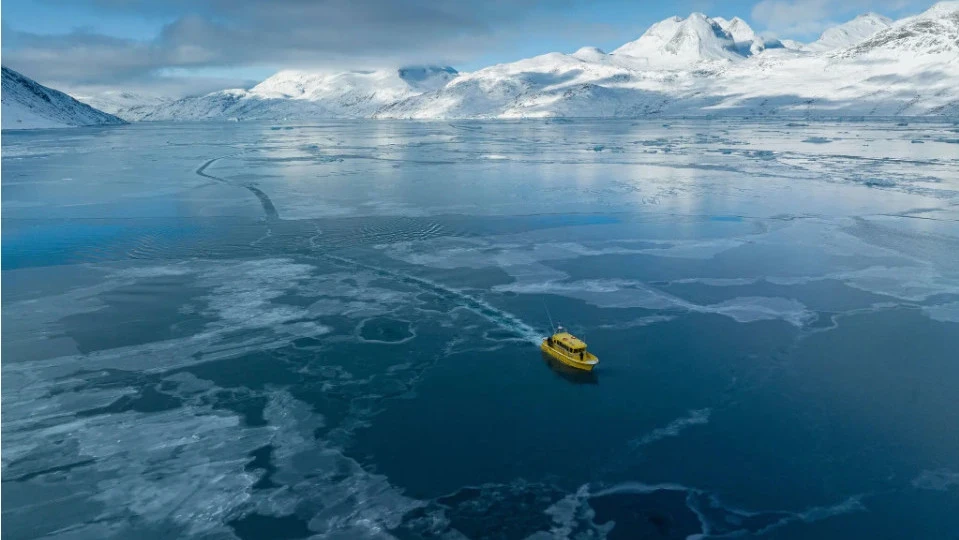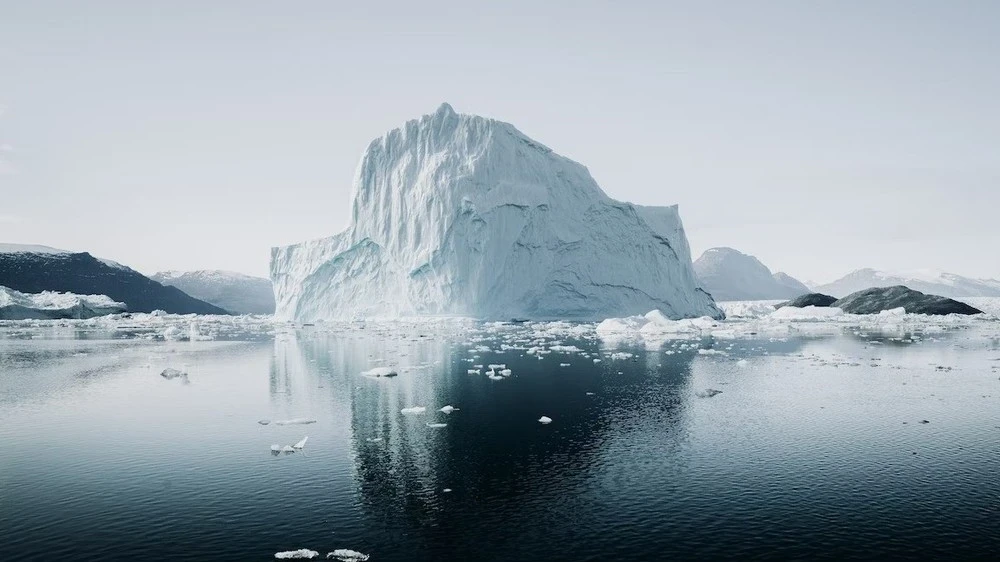
The reduction of the landfast ice season is particularly noticeable in the Chukchi Sea, where it has decreased by 57 days, and in the Beaufort Sea, where this figure is 39 days. Ice begins to form later in the fall and disappears earlier in the spring in several regions.
Landfast ice, which is attached to the shore and is not subject to drift, is critical for local indigenous peoples. It provides access to hunting and fishing grounds, supports seasonal ice roads for the oil and gas industry, and protects the coastline from wave erosion. The reduction in its existence makes the shores more vulnerable and creates unpredictable conditions for hunters.
The situation in the Beaufort Sea is of particular concern, as until the early 2000s, the ice there remained relatively stable. Currently, the ice no longer extends as far from the shore as it used to. Researchers attribute this to the overall thinning of Arctic sea ice, as thinner ice forms fewer ice ridges that serve as support for landfast ice on the seabed.