Complete Guide to Tourism in Mongolia: Industry Forecasts and Analysis until 2026, Economic Aspects and Growth for the Next Ten Years
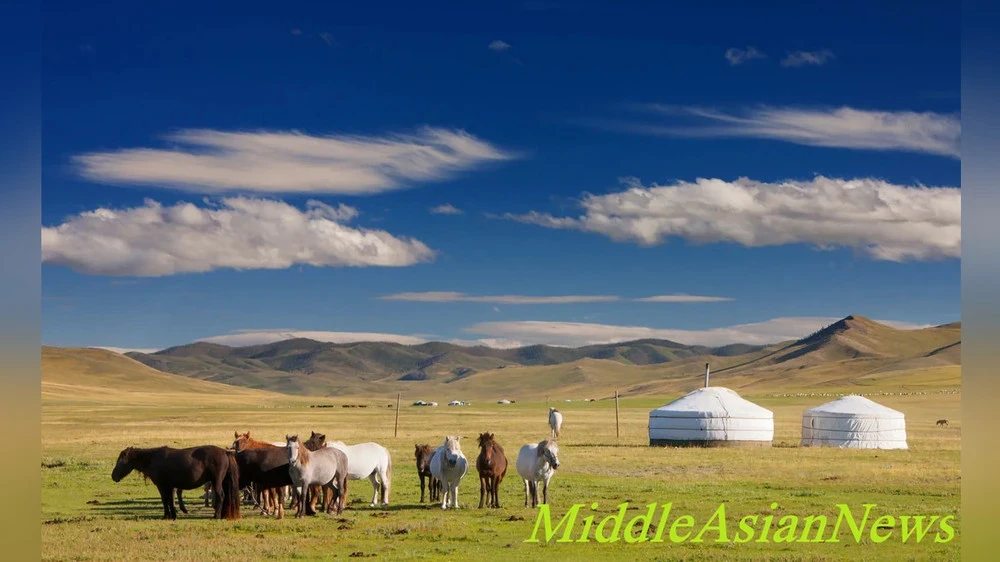
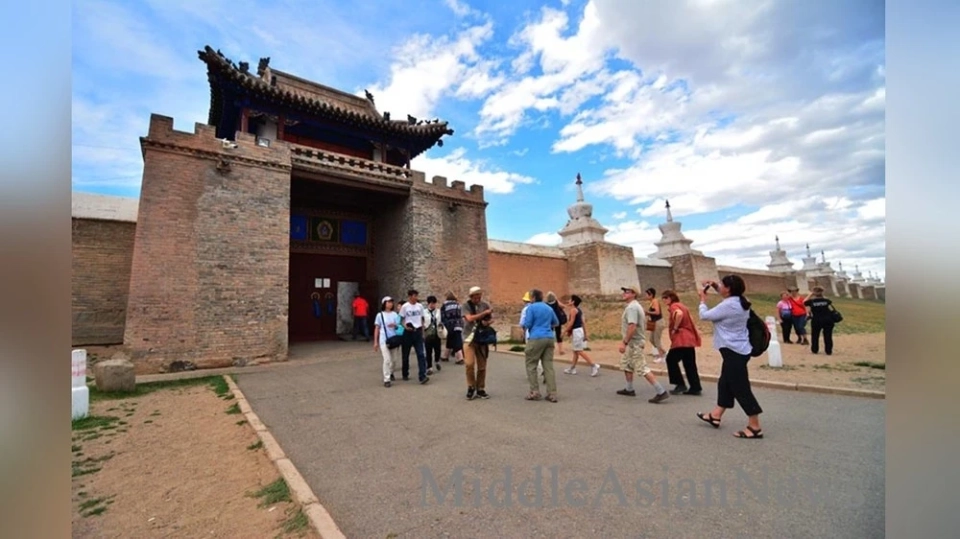
According to MiddleAsianNews, Mongolia has gained status as one of the leading tourist destinations on the global stage. The country, known as the "Land of the Eternal Blue Sky," is experiencing an incredible tourism boom that has become an important part of its economy.
After Lonely Planet declared it the "Best Tourist Destination" in 2024, it is expected that by mid-2026, the number of foreign tourists will exceed one million, and tourism revenue will surpass 2 billion USD.
Mongolia's Tourism Statistics: A Decade of Growth (2016-2026)
The last ten years have been a period of significant change: from 2012 to 2019, there was moderate growth of only 3.2%. However, after the pandemic, thanks to the "Years to Visit Mongolia" initiative, the number of tourists sharply increased from 33,100 in 2021 to over 846,000 by the end of 2025.

Key Factors: The "Go Mongolia!" Campaign
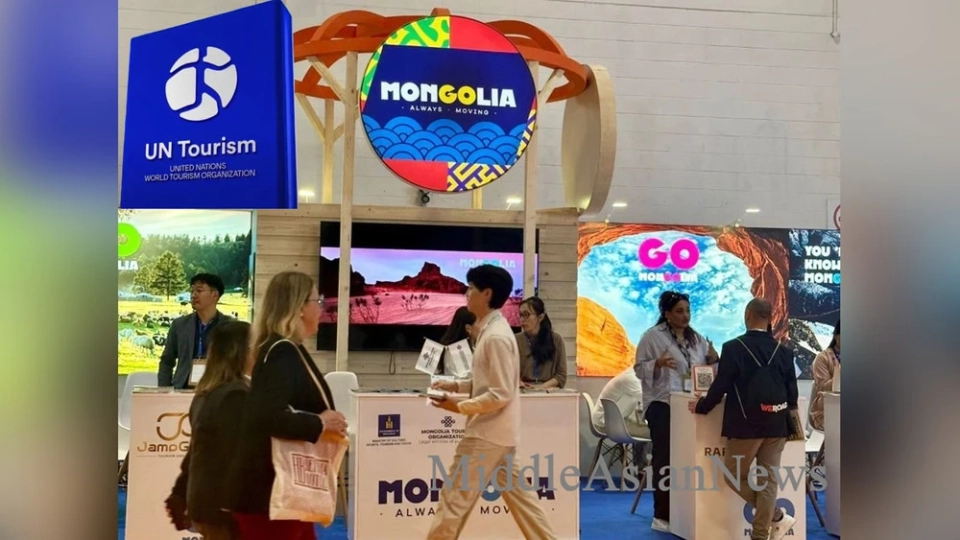
The launch of the "Go Mongolia!" branding campaign, supported by the World Bank, has been a major catalyst for increasing the country's tourism appeal. It has successfully changed the perception of Mongolia, presenting it as a place of "limitless opportunities" with "youthful energy."
Global Reach: The campaign's promotional materials reached 155 million people worldwide through partnerships with CNN and the Financial Times.
Influencer Impact: The "Nas Summit" event alone generated 40 publications that reached 155 million network users.
Target Markets: Despite strong positions from Russia and China, South Korea has become an important growth factor: the number of tourists from Korea, China, and Russia has increased by more than 50% since 2025.
Infrastructure Achievements: Access to "Untouched" Areas
Accessibility has long been one of the main challenges for the sector. However, over the past decade, Mongolia has significantly improved its transport links through infrastructure investments.
The Chinggis Khaan International Airport (UBN), opened in 2021 with support from Japan, can serve up to 3 million passengers annually and accommodates wide-body aircraft such as the Boeing 747 and 787.
As part of the "Flights Without Borders" policy, direct routes were expanded in 2025. By 2026, the first direct flight from North America (Toronto - Ulaanbaatar via Air Transat) and year-round Dreamliner flights to Singapore are planned.
The national road network: now all 21 aimags are connected by paved roads to Ulaanbaatar, facilitating access to the Gobi Desert and Lake Khövsgöl.
Year-Round Tourism: Moving Beyond the Summer Season
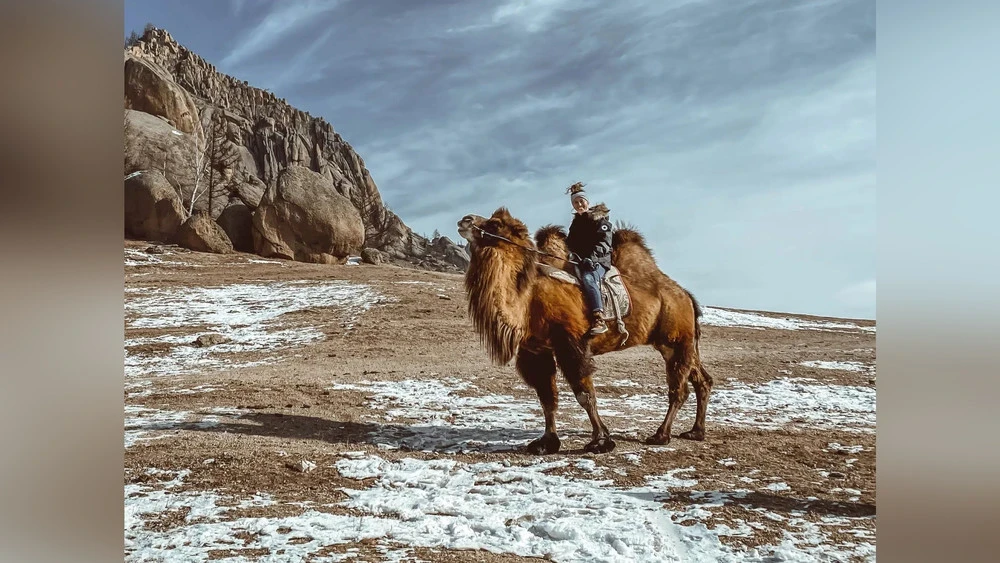
A key aspect of the "Vision 2050" strategy is the transition to year-round travel. Currently, the off-season in Mongolia is becoming a time of active growth in the number of tourists seeking adventure.
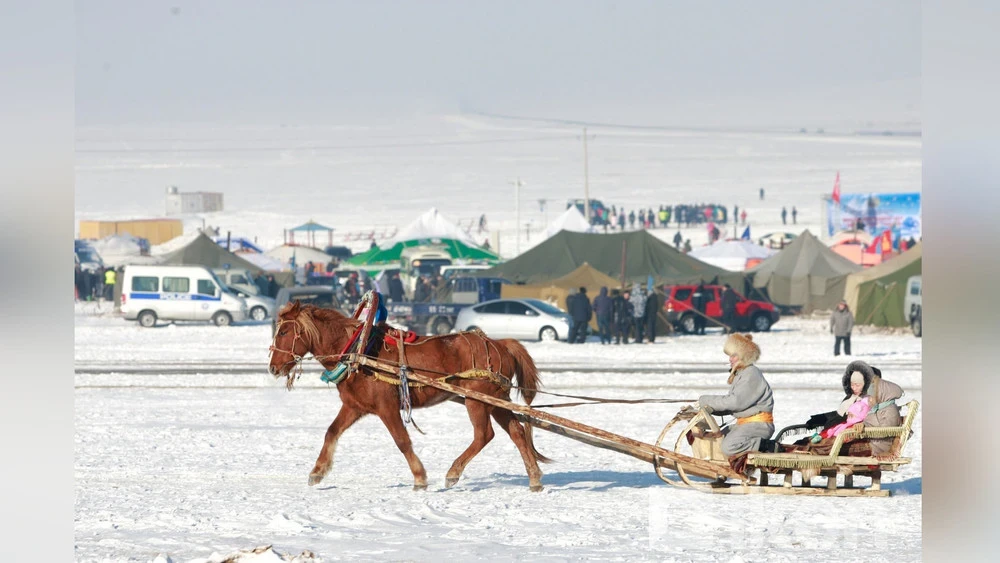
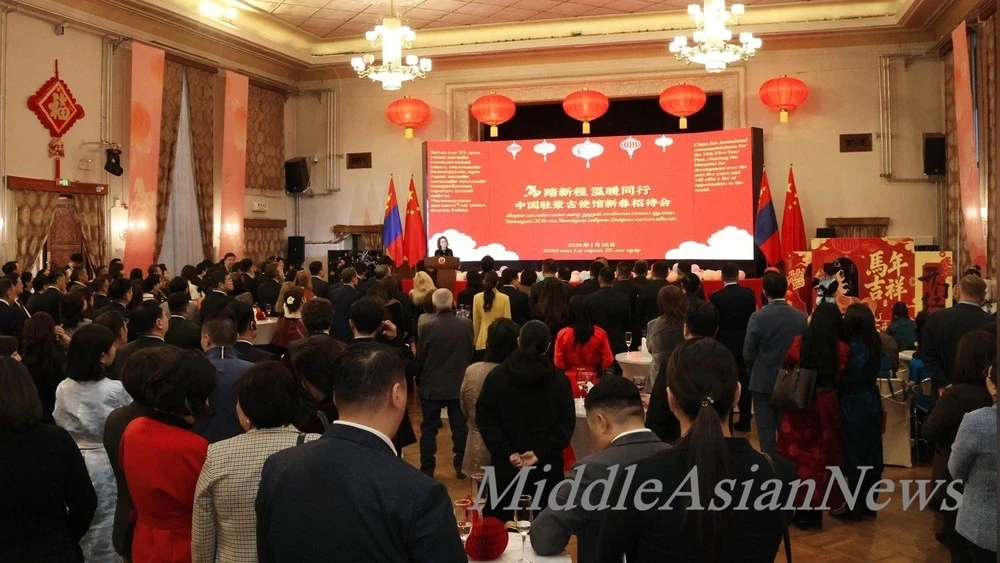
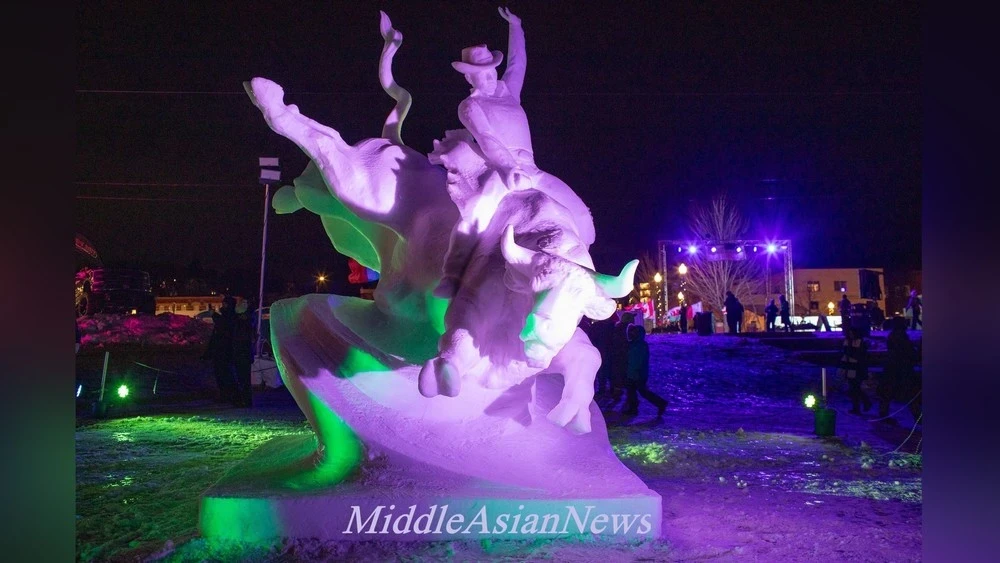
Winter Festivals: Events such as the Ice Festival at Lake Khövsgöl and the celebration of the Lunar New Year (Tsagaan Sar) attract thousands of winter tourists.
Nature Adventures: Tourists are increasingly choosing specialized tours to observe snow leopards, mountain goats, and Mongolian gazelles in their natural habitats.
Economic Impact: In January 2026, the country welcomed over 21,000 foreign tourists, confirming that winter is no longer a "quiet season."
Eco-Luxury: The Landscape of the Hospitality Sector
The accommodation sector is divided into two premium segments:
Luxury Urban Environment: Ulaanbaatar features international brands such as Shangri-La, Kempinski, and Novotel, with plans to open five-star hotels like Mövenpick.

Eco-Tourism and Modernization of Rural Areas: Rural "ger camps" are rapidly updating. Premium hotels such as Three Camels Lodge and Mongke Tengri Camp now offer private bathrooms and high-end cuisine starting at $500 per night.
Technology Integration: By 2025, even remote ger camps will use Starlink for communication and greenhouses for growing fresh vegetables.
Prospects: 2 Million Tourists by 2028
The Mongolian government has extended the "Years to Visit Mongolia" program until 2028, setting a target of 2 million foreign tourists. The Ministry of Culture and Tourism will focus its efforts on the following areas:
Digital Integration: Implementation of "smart gates" and digital arrival maps at airports by mid-2026.
Niche Markets: Active development of tourism related to birdwatching (over 500 species) and scientific eco-tourism.
Cultural Diplomacy: Supporting the development of creative industries and "centers of nomadic civilization" on the international stage as part of the "Vision 2050" concept.

The Development of Tourism in Mongolia from 2016 to 2026 is a vivid example of successful rebranding and infrastructure modernization in Asia. By combining ancient nomadic heritage with modern technologies and sustainable practices, Mongolia has solidified its position as one of the leading global destinations for seekers of genuine adventure.