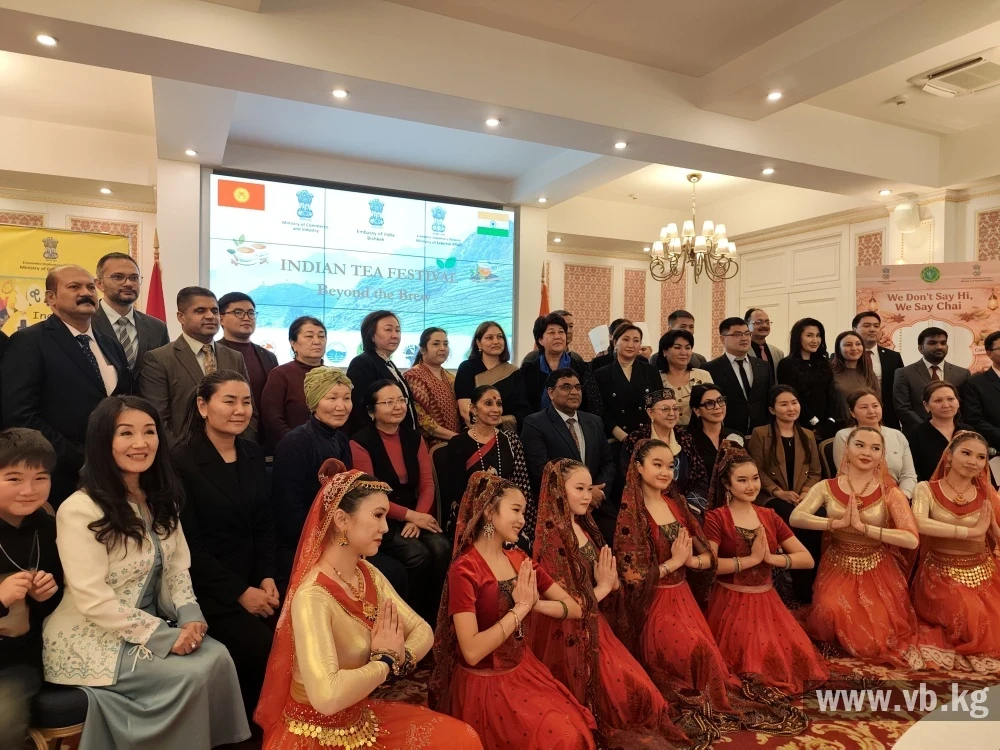
The main goal of this event was to promote the diverse varieties of Indian tea. India, being the second largest tea producer in the world, combines a rich cultural heritage with modern technologies in the production of this beverage.
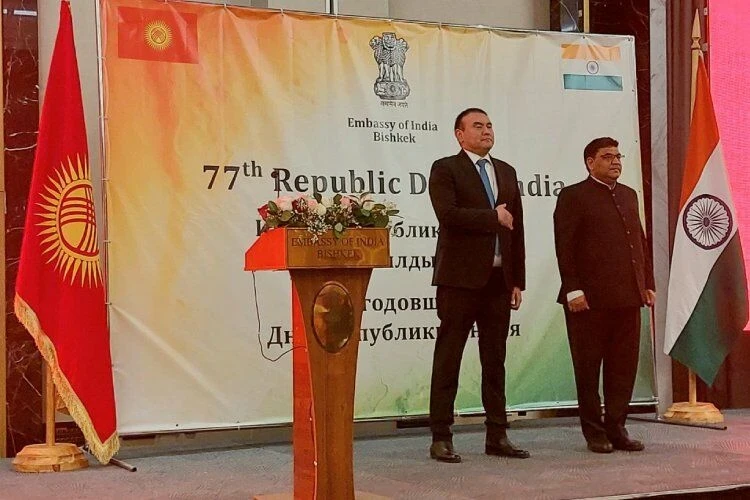
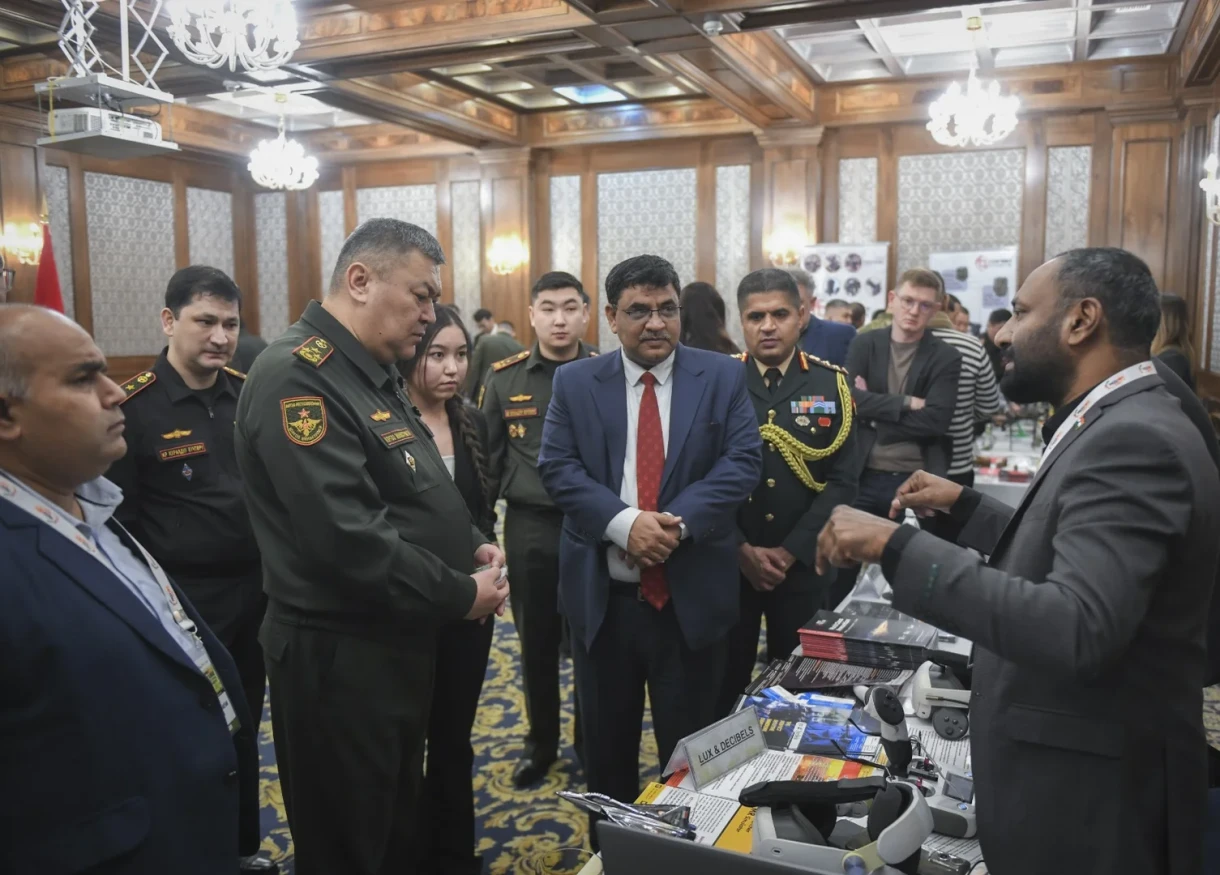
The festival opened with the lighting of a ceremonial lamp, symbolizing Indian culture. The extraordinary and plenipotentiary ambassador of India to Kyrgyzstan, Birender Singh Yadav, addressed the attendees with a welcoming speech. He noted that tea culture is important not only for India but for the whole world, as this beverage unites people, symbolizes cultural continuity, and hospitality. The ambassador emphasized that in India, tea is a sign of respect and friendship, and sharing tea is an important part of daily life, whether it is a morning ritual, a meeting with friends, or an official event. He also highlighted that the festival is dedicated to the hardworking individuals who create each cup of tea and serves as a reminder of the need for sustainable development of this tradition.
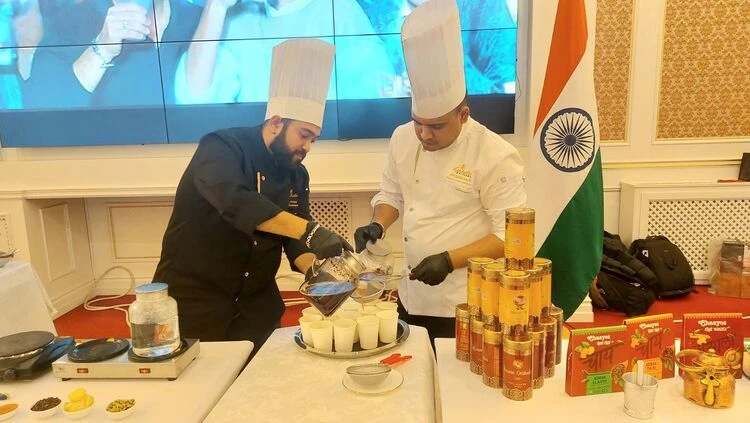
Next, tea sommelier Chinmay Badodekar gave a presentation, sharing secrets of preparing Indian tea and discussing the nuances of brewing, as well as the influence of spices on the drink's flavor. He noted that inviting someone for tea in India is considered a sign of friendship, which adds special significance to tea-drinking in the country's culture.
Before the audience's eyes, Badodekar demonstrated the preparation of four different types of tea: rich Assam, Darjeeling, dubbed "tea champagne," aromatic Nilgiri, and the famous masala chai. Everyone had the opportunity to taste the offered varieties and appreciate their diverse flavor profiles.
During the breaks between tastings, a cultural program took place, featuring traditional Indian dances from the Folk Ensemble "Kauhar," as well as a quiz that allowed participants to learn more about the history and traditions of Indian tea. This program deepened the understanding of Indian culture and the significance of tea for the people.
The festival was not only a tribute to centuries-old traditions but also an important step towards strengthening cultural ties between Kyrgyzstan and India, fostering mutual understanding and respect for the values of both nations.
Author: Elizaveta Bliznyuk