The question of the scale of the threat remains open
Environmental problems arising in Iran as a result of attacks by the U.S. and Israel may take decades to resolve. Last week, the country experienced a so-called "black rain," which poses a health risk to local residents, as reported by Bloomberg.
The impact of military operations against Iran has led to toxic contamination, the effects of which will linger for many years. Explosions from missiles and bombs release heavy metals and other toxic substances into the air, soil, and water bodies, and munitions can remain at their impact sites for many years. Cleaning up such contamination is complex and costly, the report emphasizes.
Dag Weir, director of the Conflict and Environment Observatory (CEOBS), noted that many people are exposed to pollutants, and this process will take a significant amount of time. According to the organization, more than 300 incidents threatening the environment due to conflicts have been recorded.
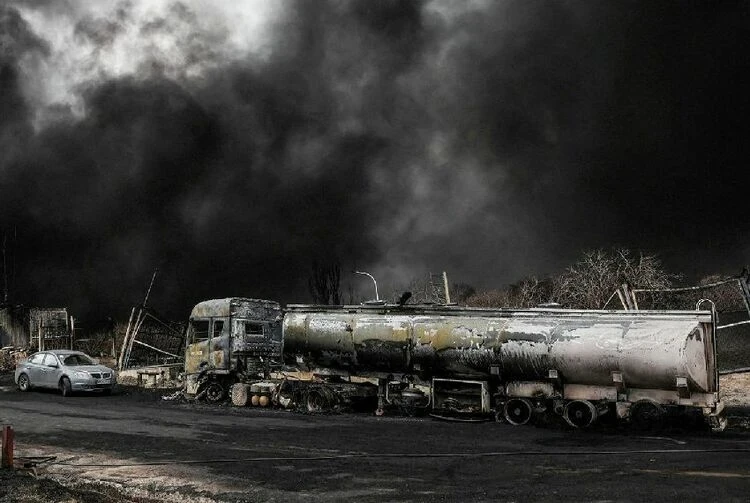
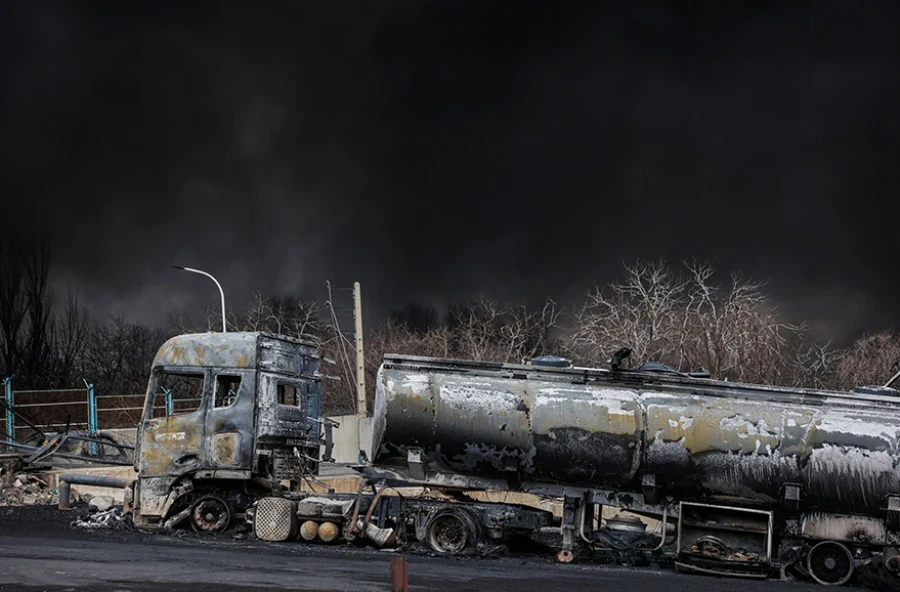
The ecosystems most affected were due to the Israeli attack on oil storage facilities near Tehran, Weir added. He emphasized that fuel infrastructure located near a major city rarely becomes a target. It is important to note that the population of Tehran and its surroundings reaches 18.5 million people.
Nejat Rahmanian, a professor of chemical and petroleum engineering at the University of Bradford, reported high concentrations of fine particles and heavy metals in the air and water of Tehran. This includes lead, chromium, nickel, and cadmium, as well as hazardous substances formed from burning fossil fuels and waste, such as sulfur dioxide.
Dimitris Kaskoutis, a physicist at the National Observatory of Athens, added that Tehran's geographical location exacerbates the problem. The city is located at the foot of the Alborz mountains, which hinders normal air circulation and creates conditions for thermal inversion, trapping pollutants and causing prolonged deterioration of air quality. Normally, rain cleans the atmosphere, but in this situation, it may only worsen the pollution.
"The combination of destructive oil fires and rain makes the pollution more dangerous and toxic to health," Kaskoutis warned. "These substances, diluted with water, become more toxic and easily penetrate the body, affecting the nervous system, blood, and organs such as the kidneys and liver."
After the U.S. and Israeli strikes on fuel depots in Iran, dangerous "black rains" occurred. According to the Iranian Red Crescent Society, such rains can be "extremely dangerous and acidic," capable of causing chemical burns to the skin and serious damage to the respiratory tract.
The WHO also reported "massive emissions" of toxic hydrocarbons and sulfur oxides into the atmosphere as a result of attacks on Iranian facilities. These substances pose a serious threat to human health. Experts advise that in case of contact with acid rain, the affected skin should be rinsed with cold water and clothing should be changed, placing it in a sealed bag.
In early March, the International Atomic Energy Agency (IAEA) stated that there were no risks of a radiation release in Iran following the attacks, but confirmed damage to the underground uranium enrichment facility in Natanz.
There were also reports of possible spread of "acid rains" to Central Asia, but this information was later refuted by ecologists and specialists.
photo www