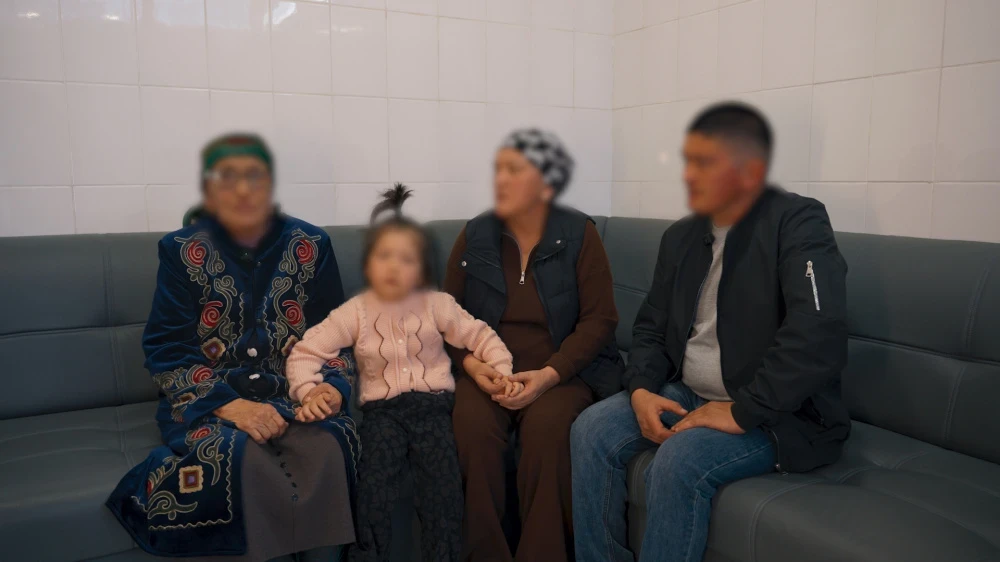
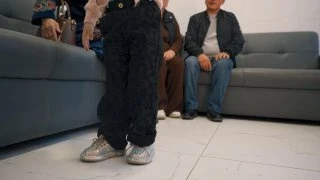
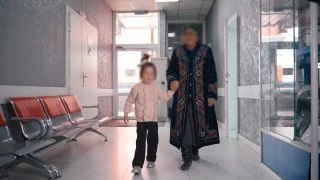
The story of Zhyldyz (name changed) demonstrates how modern medical technologies can change a child's fate. From an early age, the girl faced a serious diagnosis. At three months, her parents noticed that something was wrong with her leg, and the girl was in pain. In the hospital, they suspected a fracture and put her leg in a cast, but there were no improvements.
Further examinations in Bishkek revealed a more serious problem — congenital pseudoarthrosis of the tibia. The girl underwent treatment in several medical institutions, but to no avail.
The last chance for movement. How they saved a child from leg amputation in Bishkek.
In search of a solution, the family sought help abroad. In India, the girl underwent surgery to install an Ilizarov apparatus, but even this did not yield the desired results — the transplanted bone did not take.
"We were in despair. We were told that in the future, our daughter might need an amputation," recalls father A. U.
The last chance for movement. How they saved a child from leg amputation in Bishkek.
The Vedanta clinic in Bishkek became the family's last hope.
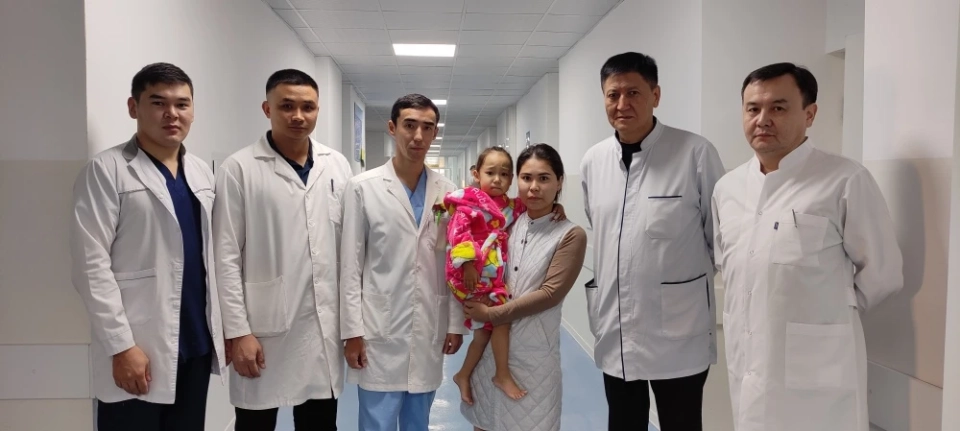
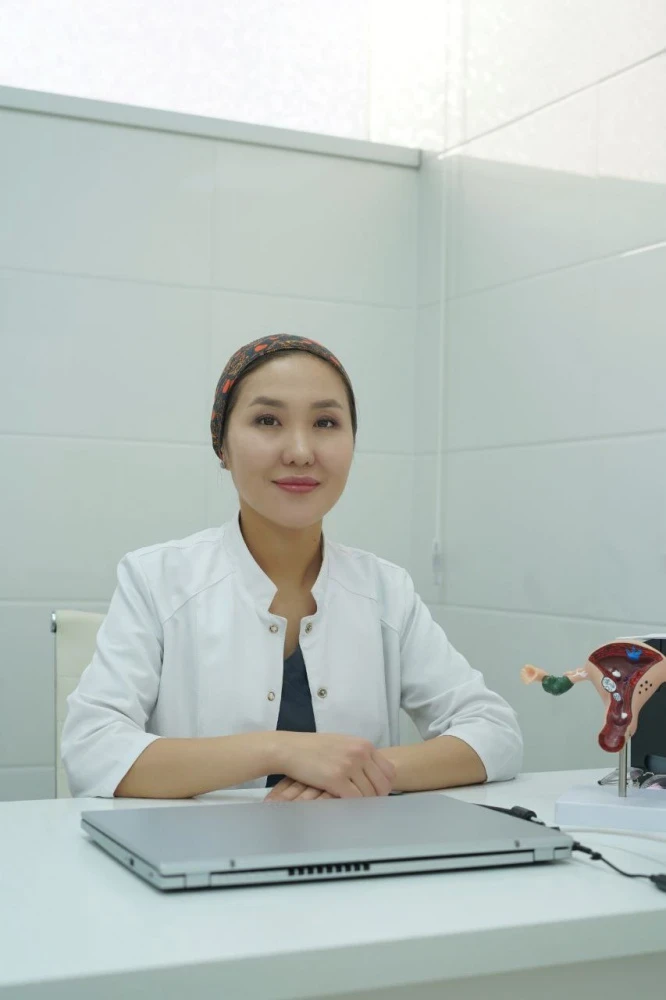
Under the guidance of micro-surgeon Bakyt Kerekulov from Turkey, the team of specialists performed a complex operation — the transplantation of the fibula from one leg to the other, restoring blood vessels and nerves.
The last chance for movement. How they saved a child from leg amputation in Bishkek.
"Congenital pseudoarthrosis of the tibia is a rare condition occurring in about one case per 140,000 newborns. Such children may lack part of the tibia, making it impossible to put weight on the leg and walk. This girl was already observed to have the fourth degree of pseudoarthrosis, where part of the tissue on the tibia is missing, creating a defect," explained Bakyt Kerekulov.
Kerekulov works at the EМOT hastaanesi clinic in Izmir but often travels to Bishkek to perform surgeries.
The last chance for movement. How they saved a child from leg amputation in Bishkek.
During the operation, the fibula was transplanted from the left leg to the right, which is a technically complex procedure.
"The essence of the operation lies in micro-surgery. It is necessary to restore both the blood vessels and the nerves so that the bone can take and function normally. At the moment, we have achieved a very good result," added Kerekulov.
The last chance for movement. How they saved a child from leg amputation in Bishkek.
During the operation, the doctors not only transplanted the bone but also restored blood supply and innervation, which allowed the bone to take and perform its function.
"This girl has already undergone several surgeries. In such cases, the question of leg amputation often arises. It is necessary to remove the non-functioning limb. But we decided to perform this complex operation to give the child a chance, and I think we succeeded," noted the micro-surgeon.
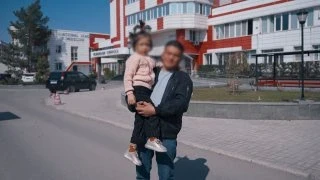
The last chance for movement. How they saved a child from leg amputation in Bishkek.
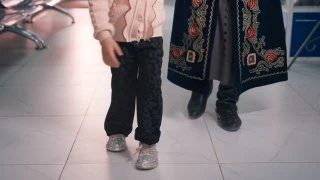
After the operation, according to Kerekulov, the girl shows good healing. The transplanted bone is beginning to thicken — natural hypertrophy is occurring, allowing it to withstand normal loads.
The specialist noted that such cases require not only high qualifications but also a comprehensive approach. The causes of the disease are not fully understood, but possible factors include blood supply disorders of the bone tissue associated with neurofibromatosis or fibrous dysplasia.
It is important that such operations have become available in Kyrgyzstan. For the country, this is a unique intervention. In Turkey, where Kerekulov works, such procedures are performed, but treatment abroad is a significant financial burden for families.
"Not everyone has the opportunity to be treated abroad. We strive to minimize costs and help patients here, using modern technologies and experience," emphasized Kerekulov.
This case has become not only a rescue for one girl but also an important step forward for the development of medicine in Kyrgyzstan.