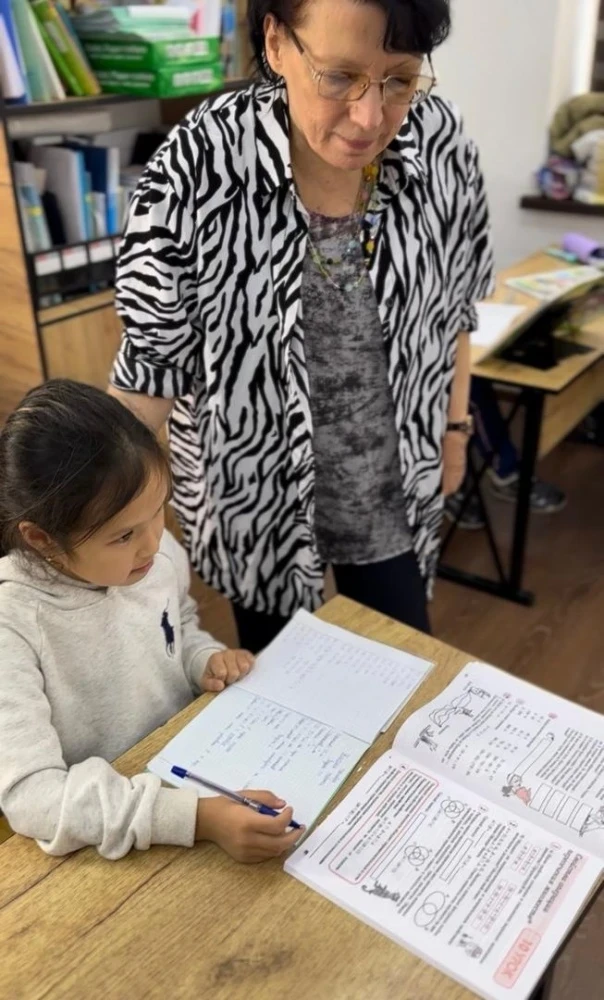
As reported by UN news, one in six children of school age is not receiving an education, and only 66% of students complete secondary education.
The report highlights that since 2015, the pace of improvement in school attendance has slowed down in almost all regions of the world. More than 16% of all children live in conflict zones, indicating that the actual number of children not attending school significantly exceeds official statistics.
The situation is particularly critical in the Middle East, where military conflicts have led to the closure of many educational institutions, leaving millions of children without the opportunity to learn and increasing the risk of educational backwardness.
However, despite these challenges, the report highlights important achievements in education globally in recent years. Some countries have managed to reduce school absenteeism by more than 80% since 2000, including Madagascar and Togo among children, Morocco and Vietnam among adolescents, as well as Georgia and Turkey among youth.
In Azerbaijan, for example, the percentage of five-year-old children receiving preschool education services increased from 25% in 2016 to 92% in 2021, virtually eliminating the gap in access to such services between urban and rural areas.
In Uzbekistan, similarly, the coverage of preschool education has tripled over seven years. Government efforts have helped eliminate inequality in access to kindergartens between the capital and other regions of the country.
With a total number of students exceeding 1.4 billion in 2024, global coverage of primary and secondary education has increased by 30% since 2000. The number of children in preschool institutions has increased by 45%, and in post-secondary educational institutions by 161%. This means that every 60 seconds, more than 25 children gain access to education. It is also noted that the gender gap in primary and secondary education has been virtually eliminated.
In China, access to higher education has increased from 7% in 1999 to over 60% in 2024, which is an unprecedented achievement.
The report also emphasizes the growing commitment to the principles of inclusivity in education worldwide.
Countries in Eastern Europe, Central Asia, and the South Caucasus are demonstrating a significant shift from the "medical model" of disability to an inclusive approach in education. According to the report, the share of children with disabilities studying in specialized boarding schools in the region has decreased from 78% in 2005 to 29% in 2024.
However, it is emphasized that no single measure can ensure comprehensive access to education. Policies must be adapted to local conditions, take into account complex issues, and be based on evidence.