The situation surrounding the House of Artists in Bishkek has attracted the attention of not only the professional community but also the general public. The city authorities intend to transfer this building for commercial use, which threatens the existence of the Union of Artists and its historical venue.
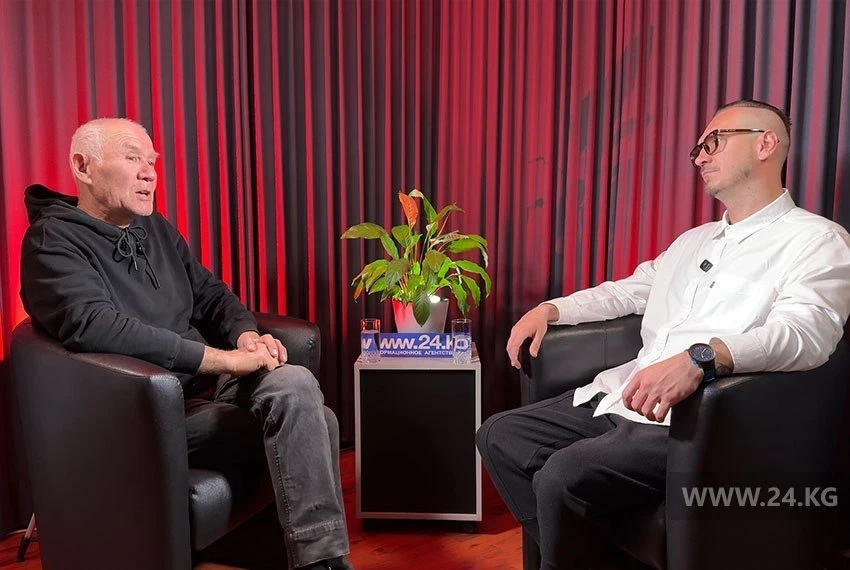
Photo 24.kg
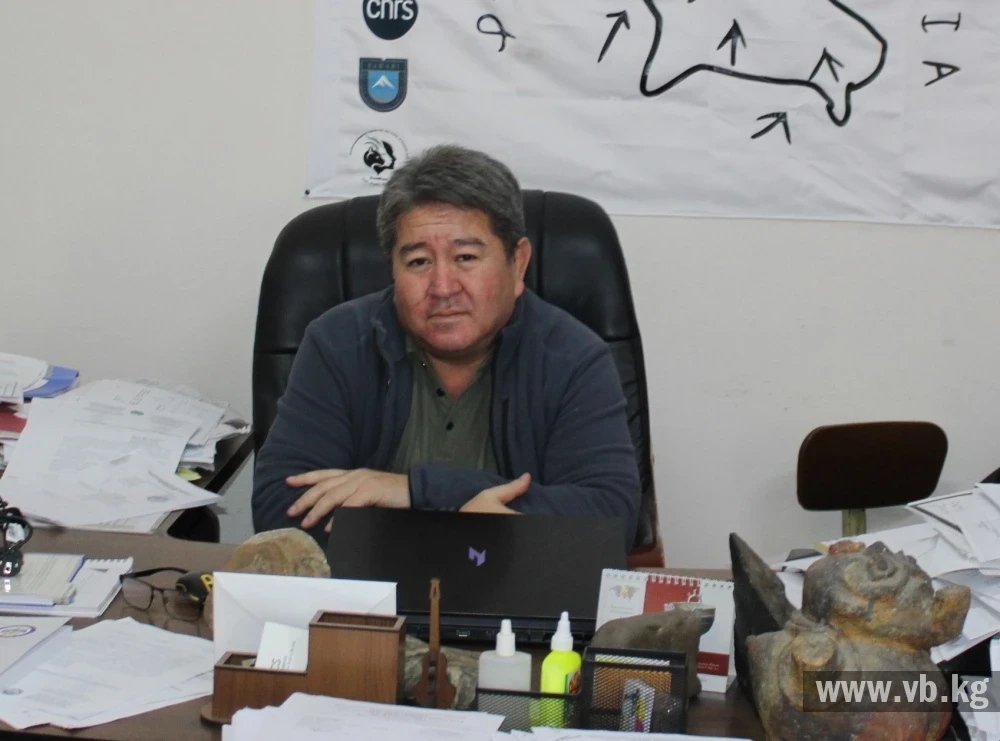
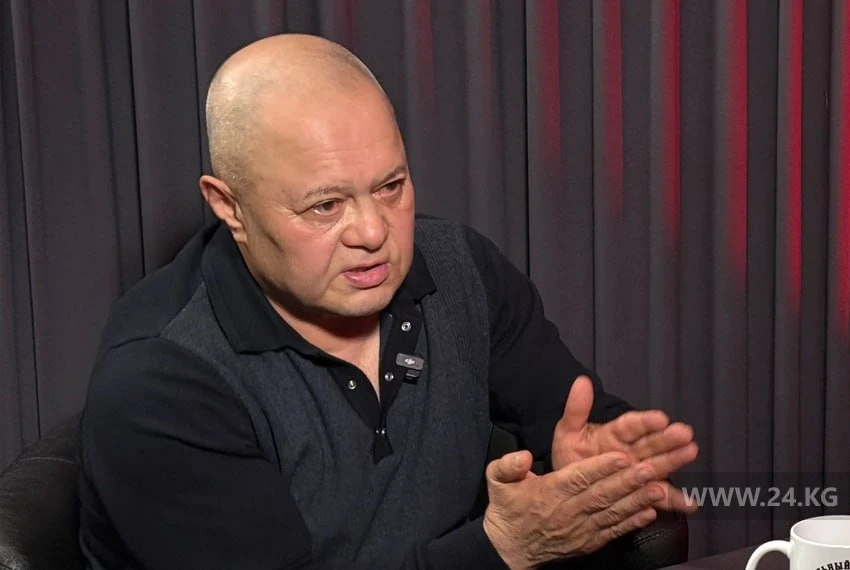
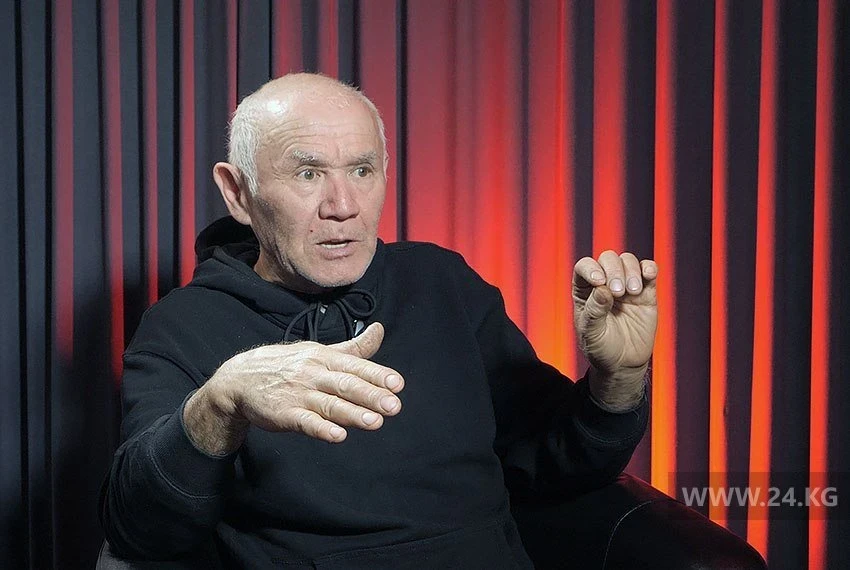
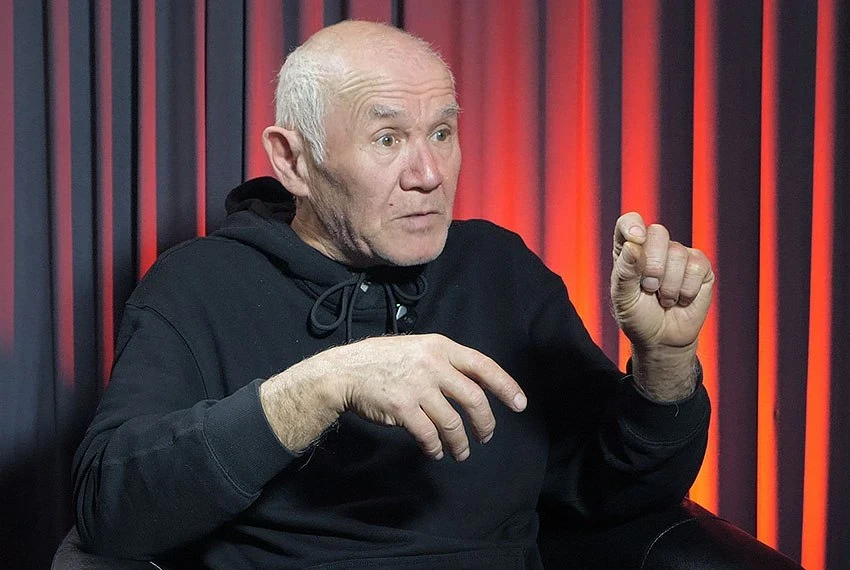
Erkin Saliev, a people's artist, explained in an interview with 24.kg why he considers this decision dangerous for culture and how it could negatively impact the future of art in Kyrgyzstan.
— What is the current situation with the House of Artists?
— At the moment, everything is on hold. After the information about the threat of eviction became known, a heated discussion began on social media, and the public reacted sharply to these events. People are primarily concerned not so much with the details as with the fact itself — artists are simply being evicted.
Read on the topic
The architectural monument "House of Artists" in Bishkek is under threat of demolition
This is not just a private establishment or office — it is a significant organization representing over 500 artists and their creativity.
The building itself is not just a structure. It is associated with the names of masters such as Chuykov, Aitieva, Lydia Ilyina, and others who shaped Kyrgyz art.
We are talking not just about real estate, but about cultural memory and heritage.
— What do you see as the root of the conflict?
— There is a substitution of values here. The city center is already saturated with commercial buildings — shopping centers and business centers. I even doubt that anywhere in the world there is such a high density.
At the same time, we are talking about a territory that has historically been the cultural core of the capital.
Erkin Saliev
There are theaters, museums, libraries located there. And now they want to insert yet another commercial object into this cultural environment.
It is clear that this is a profitable location, but the question arises: what is more important — business or culture?
— They say the building may be transferred to the state. That seems logical, doesn’t it?
— Formally, yes. But in practice, this raises questions. We have carried out major repairs three times at our own expense, as the mayor's office refused to participate, citing that the building belongs to us.
Now, however, they believe they have the right to dispose of it. This raises questions about their logic.
— What have you been offered in return?
— We were offered three rooms in an old building that is also slated for demolition in the coming years.
This is not a solution, but merely a temporary reprieve. The Union of Artists is not just an organization; we have studios and galleries. It is a living community.
— Are you actively participating in the cultural life of the country?
— Yes, and that is important. We participate in exhibitions both in the country and abroad, providing works for international events and state delegations, and we do this free of charge.
We represent the culture of Kyrgyzstan, and against this backdrop, to be left without a venue is strange.
Erkin Saliev
— Have you reached out to the authorities of the country?
— Yes, we started with that. We prepared official letters to the president's administration, the government, and the Ministry of Culture.
Read on the topic
The Union of Artists asks Sadyr Japarov to protect their building in Bishkek
We hope for a response, as there have already been cases where decisions were reconsidered under public pressure.
— Some believe that artists are a closed community. How true is this?
— This is absolutely not true. The Union of Artists is the center of the creative life of the country, where ideas are formed and projects are discussed.
We organize symposiums, plein airs, and international projects, often at our own expense.
— How is the structure within the union organized?
— We have a democratic model. The chairman is accountable to the board, which creates a parliamentary form of governance. We actively work with the regions — Karakol, Osh, Talas, Naryn. This is a unified network.
— What is the situation with the youth?
— We have opened up to new talents. If it was difficult to join the union before, now it is enough to have two or three exhibitions. We give young artists a chance because it is important for them to become part of the collective and develop in this environment.
— Many claim that art in the USSR was limited by censorship. Do you agree with this?
— Partially. Censorship did exist, but back then it was called artistic councils, which monitored the level of works.
— So the restrictions were justified?
— One could say that they established a certain standard. Low-quality works were not allowed, which maintained a high level of art.
— How would you assess the current state of art in Kyrgyzstan?
— There is a decline, and this is an objective reality. We exist on the legacy of the past. We do not have a support system, and artists are forced to engage in other activities to make a living.
There is a serious problem with taste. Even with high craftsmanship, there is often a lack of understanding of harmony and composition, which leads to the emergence of kitsch.
Erkin Saliev
— And what about the art market?
— It is practically non-existent. We lack collectors and patrons. People are not ready to invest in art.
— Why is the situation better in neighboring countries?
— This is a complex question. Perhaps it is due to cultural tradition and the level of societal development. We have not yet formed a class of people who support art.
— You mentioned pressure on art. Is it increasing?
— This is not a widespread phenomenon, but there is a trend. We must consider societal reactions, including religious aspects.
— Does this hold back artists?
— Yes, and it can lead to a brain drain of creative individuals, as creativity requires freedom.
— How did you get into cinema?
— Through practice. I worked as an assistant to the production designer on the set of "The White Steamship." It was a real school where many famous people started.
— Why aren’t you filming now?
— I have a new project, but it turned out to be "politically incorrect," and I was forced to change some scenes. In the end, it is turning into a novel.
— In short, what is the current situation with culture?
— We are at a crossroads. If we do not recognize the value of culture now, we may lose it forever. Restoring it will be impossible.