In recent years, Tajikistan has transformed: infrastructure is actively developing, key sectors of the economy are being modernized, and both the capital and the regions are showing positive growth rates. This was confirmed by journalists from Kyrgyzstan who visited the country as part of a special media tour organized at the initiative of the presidents of the two countries.
Dushanbe: Transformation of the Capital
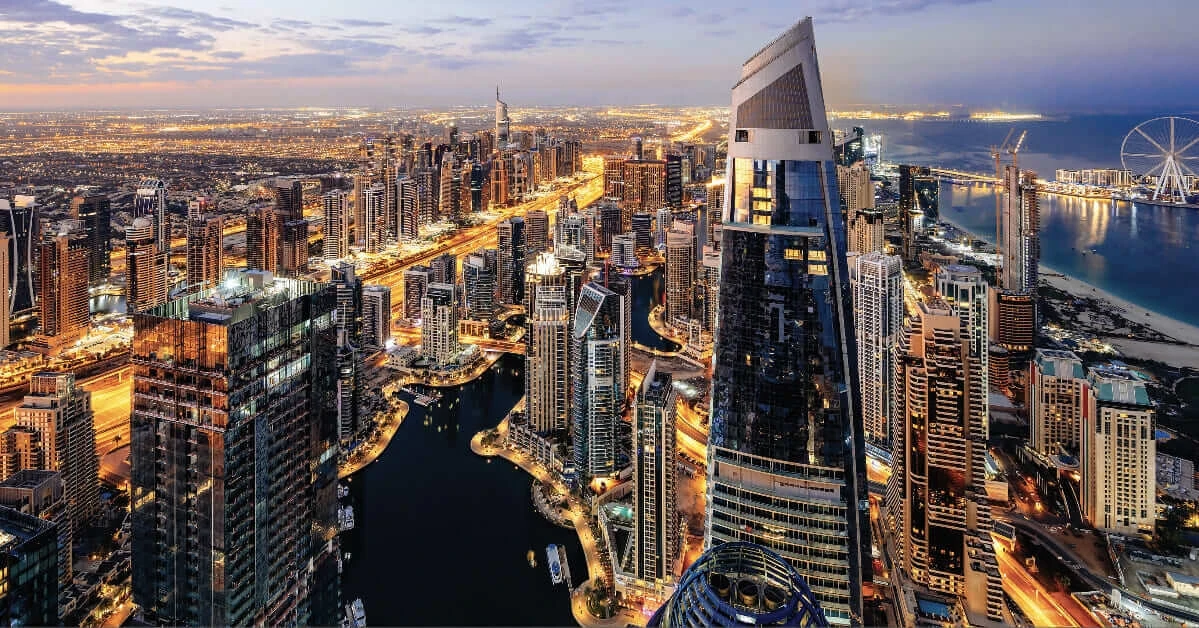
The capital of Tajikistan, Dushanbe, is undergoing a real transformation. The city is actively being built up: new residential complexes and other infrastructure facilities are being constructed. Housing prices range from $700 to $1,000 per square meter, while demand for apartments remains high.Despite the active construction, Dushanbe maintains its reputation as one of the greenest cities in the region, offering residents numerous parks and green spaces.
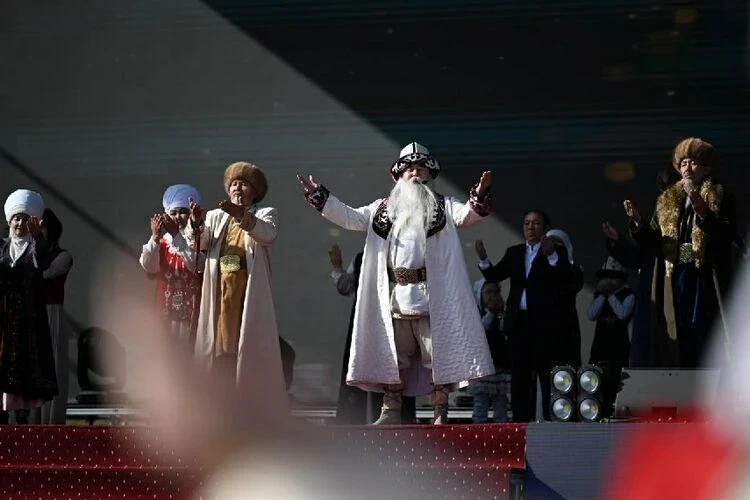
During the celebration of Nowruz, which is celebrated in Tajikistan for almost ten days, the city transformed particularly vividly: the streets were adorned with colorful installations and floral compositions, and large-scale festive events took place across the country.

According to local residents, greening is given great attention at the state level, particularly by President Emomali Rahmon, who studies plants suitable for the capital's climate and brings samples from his foreign trips.
His son, Rustam Emomali, the mayor of Dushanbe and chairman of the upper house of parliament, is also actively involved in the city's development. Residents note his youth and energy, as well as the positive changes in the capital.
Dushanbe has about 1.3 million residents, but the majority of the country's population still lives in other regions.
Transportation System and Urban Infrastructure
The capital's transportation system deserves special mention. Modern interchanges and bridges significantly ease movement around the city.During the Nowruz celebrations, there were almost no traffic jams, as many residents traveled to their families in the regions; however, the residents themselves note that the issue of traffic congestion in Dushanbe is quite acute.
The city has introduced unified taxis under the brand Jura, which are electric vehicles in a uniform green design. Given the high cost of gasoline, the transition to electric transport has become a necessary and environmentally justified solution, making taxis accessible and popular among residents.

Interestingly, since last year, Tajikistan has banned the use of electric scooters and mopeds, a consequence of the increasing number of accidents involving them.
Media and Cooperation
As part of the press tour, our journalists visited several local media outlets, where they were shown the work of television and radio studios, as well as the process of publishing newspapers and online materials. Current trends in development and global events affecting the media in both countries were discussed.

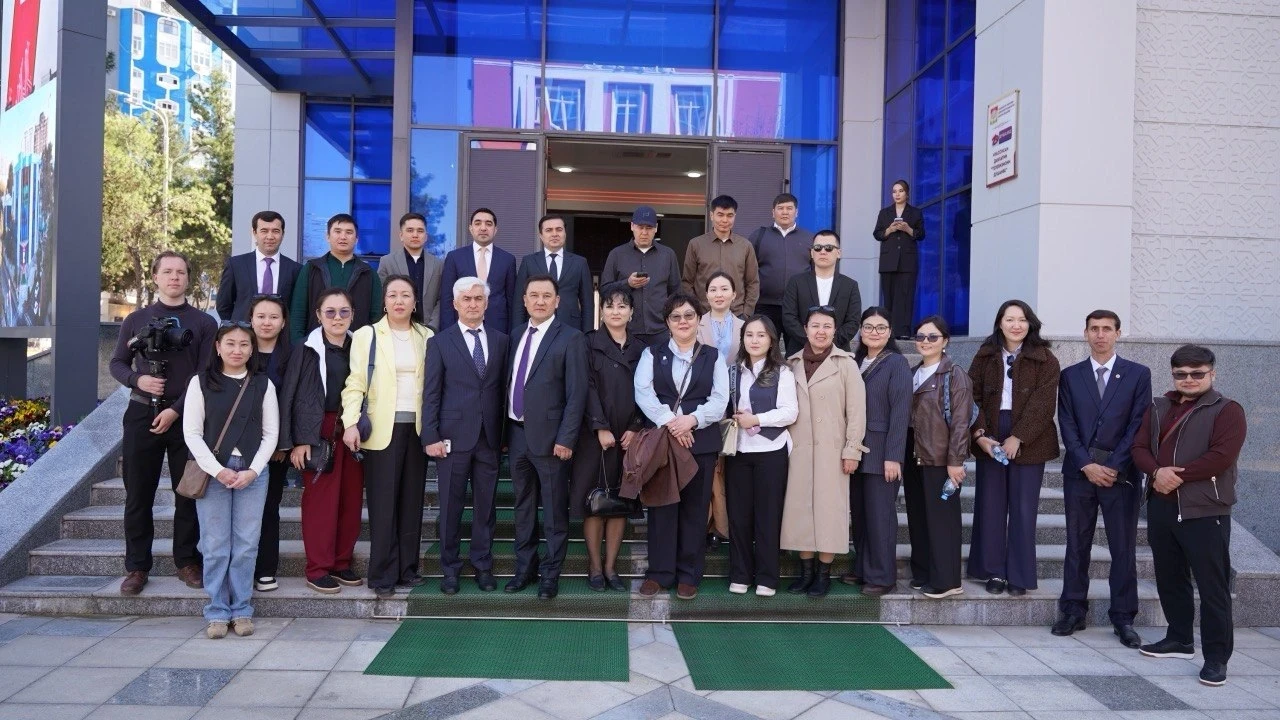
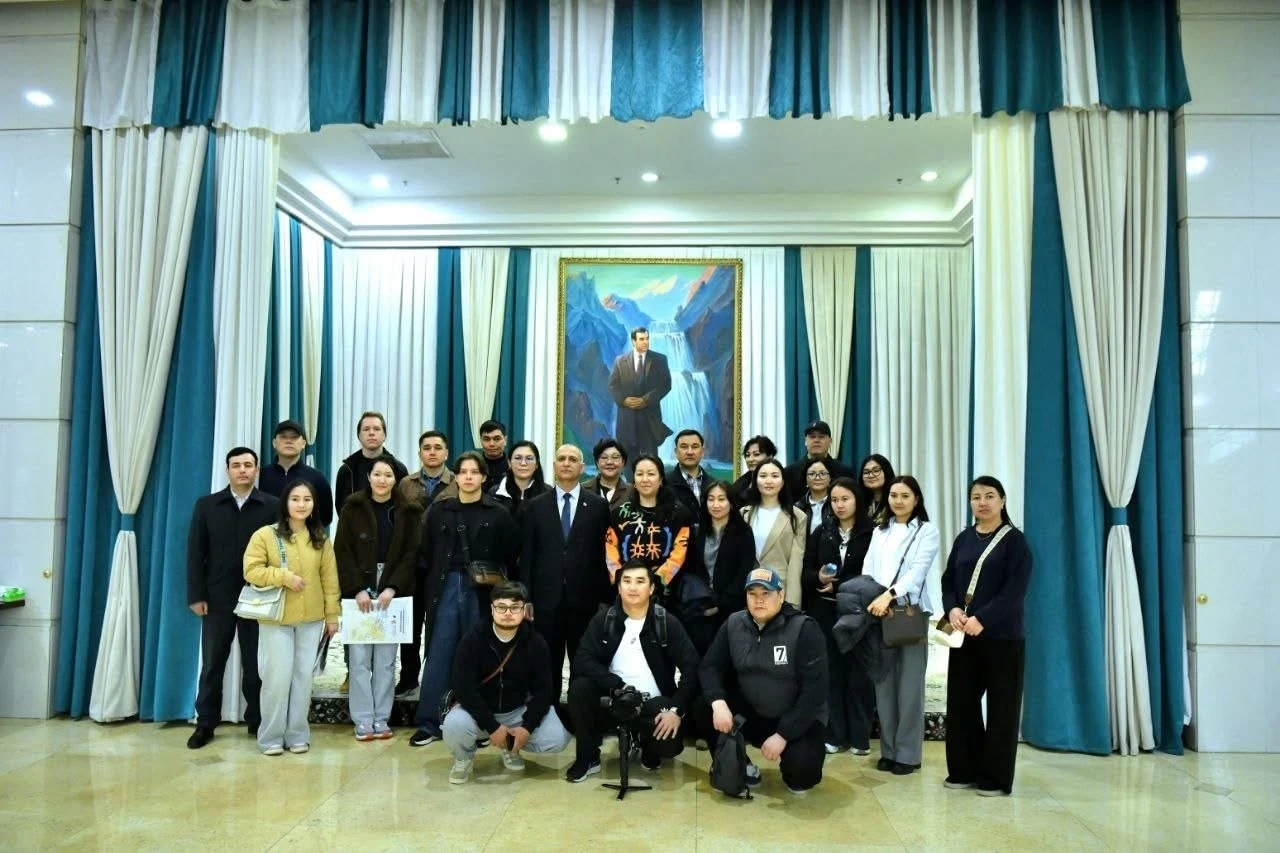
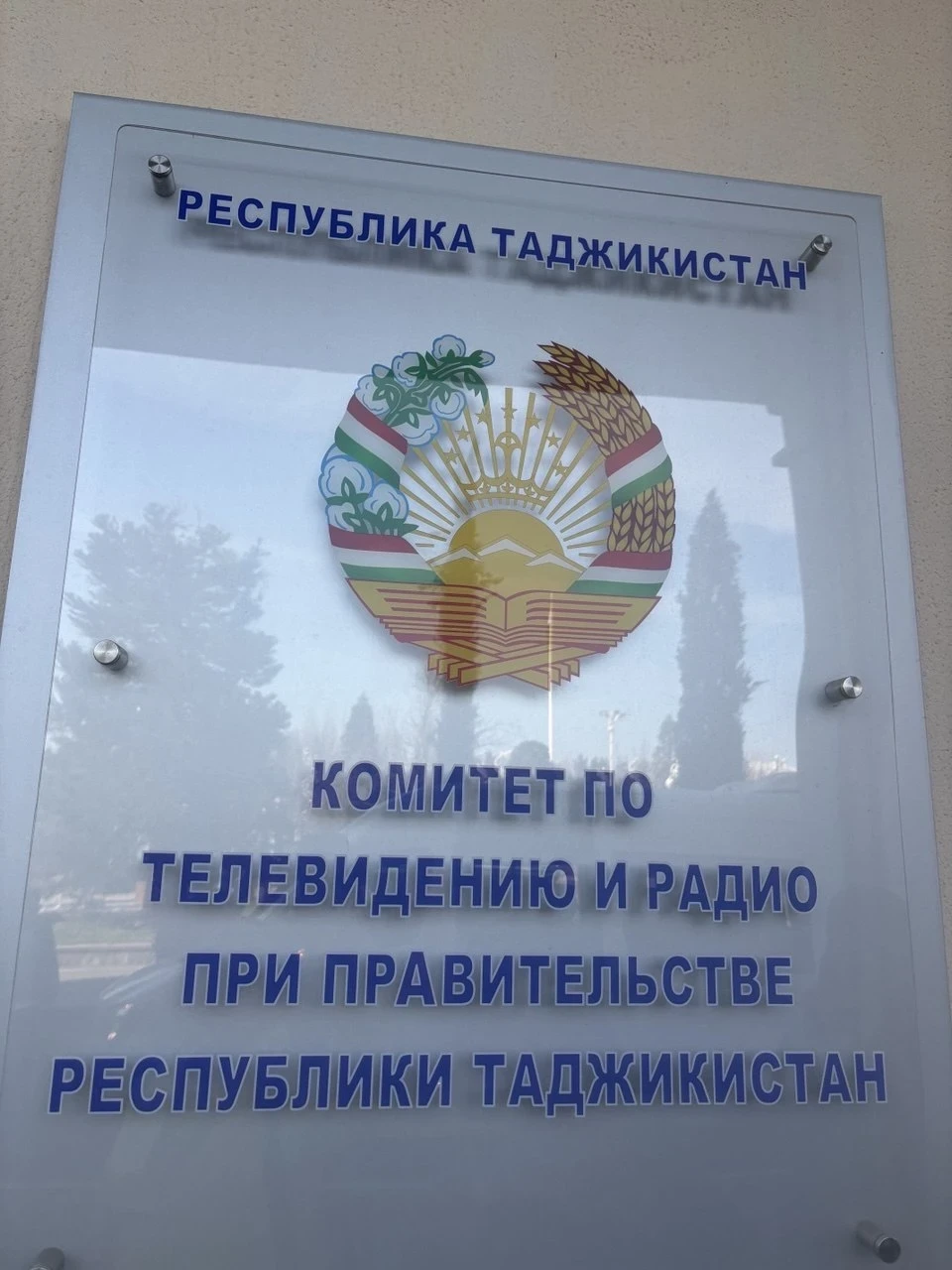
The Tajik side noted that in recent years, the government has paid great attention to the media: new editorial offices are being built, modern equipment is being purchased, and funds are being allocated to support and develop domestic journalism.
Local journalists expressed interest in cooperating with their Kyrgyz colleagues to better understand the events occurring in both countries and to develop joint projects to strengthen Kyrgyz-Tajik ties.
Education and Personal Connections
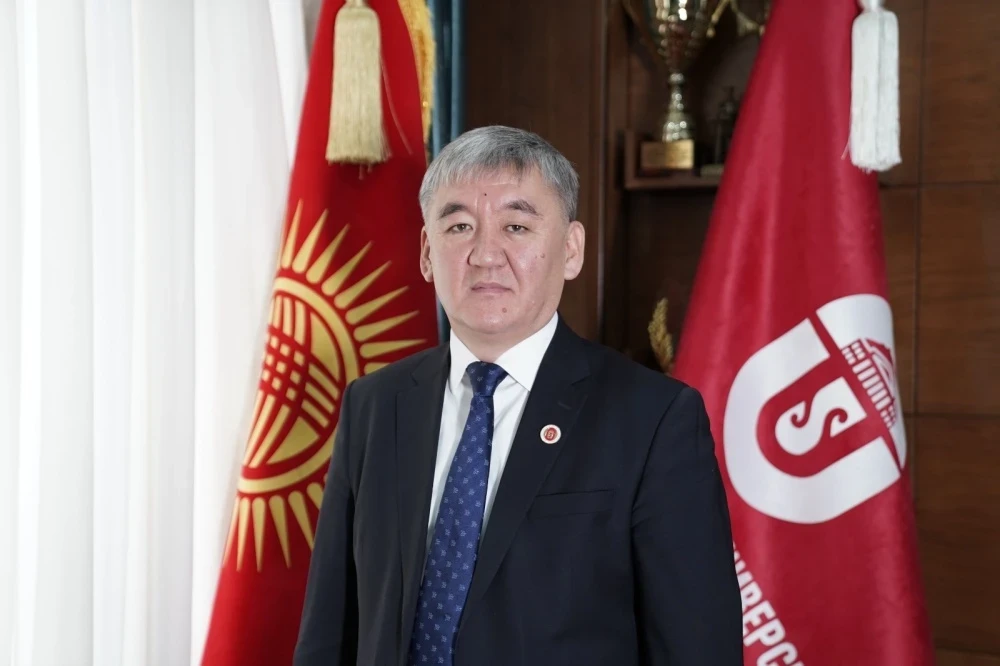
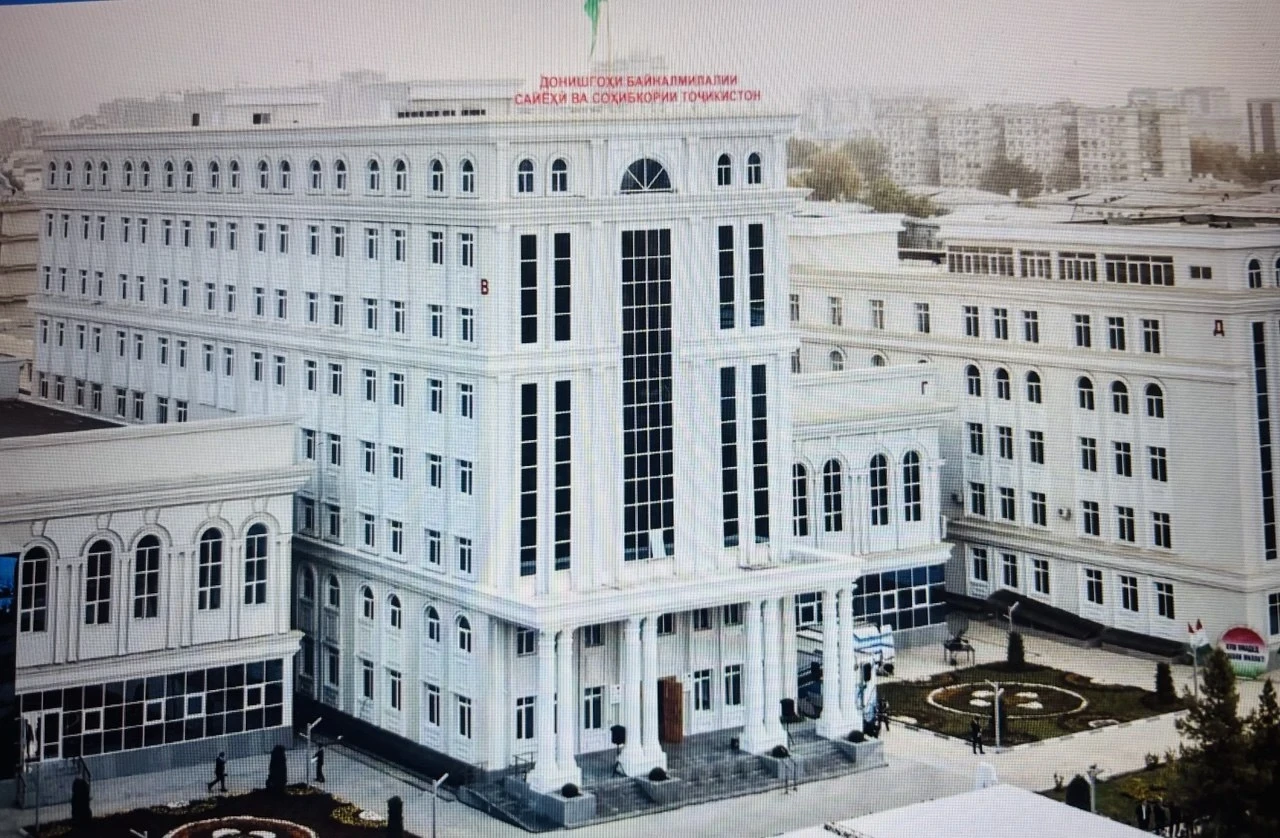
One of the key sites of our visit was the International University of Tourism and Entrepreneurship of Tajikistan, which is one of the largest universities in the country with nearly 10,000 students. The university offers more than 80 bachelor's programs, 15 master's programs, and 10 PhD directions.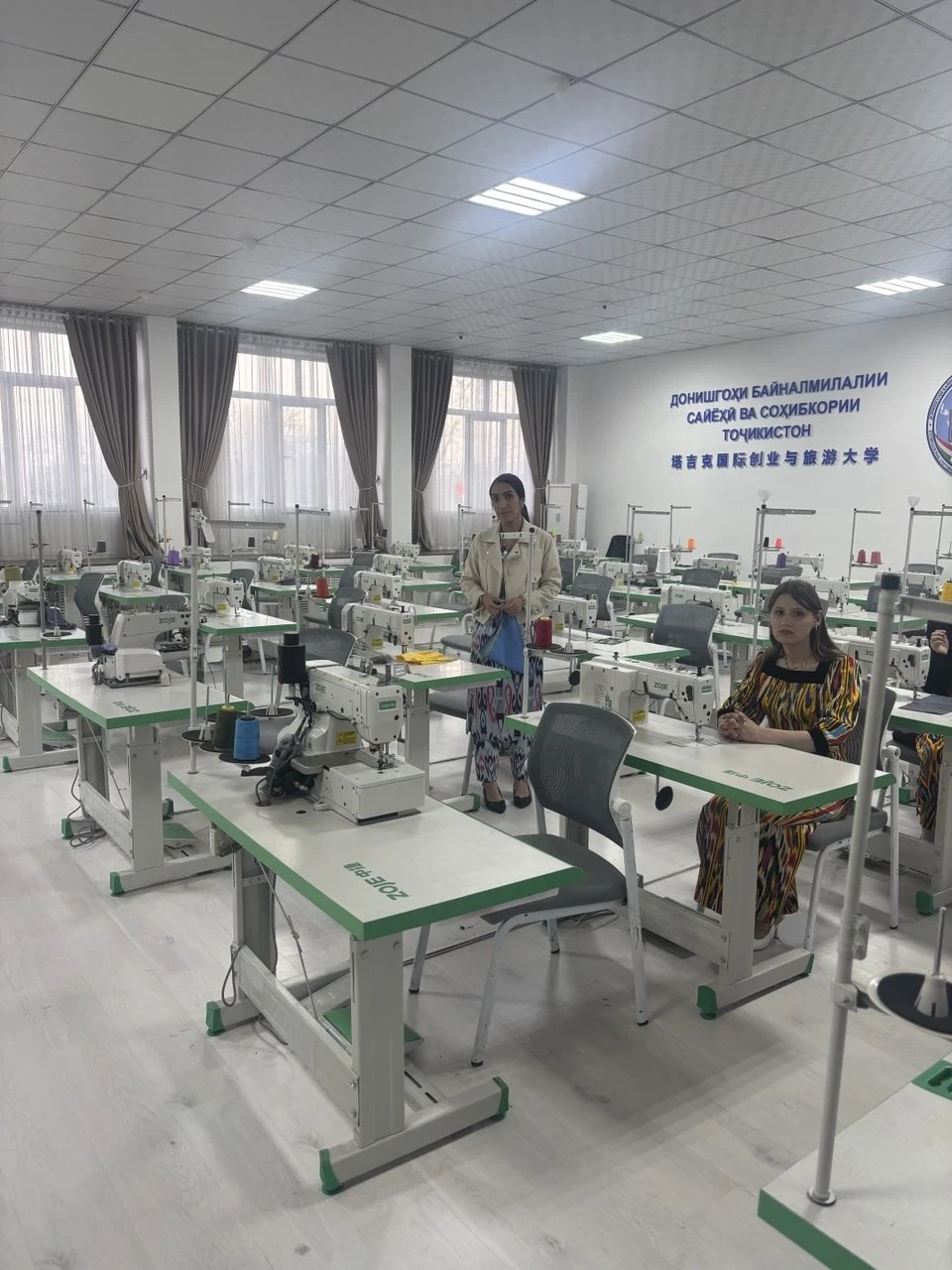
Attention is drawn to the fates of people connecting Kyrgyzstan and Tajikistan not through diplomacy, but through personal stories.
One such story belongs to Aizirek, an ethnic Kyrgyz, a second-year university student. She is 20 years old and studies humanities, dreaming of becoming an English teacher or working in the tourism sector.
Aizirek comes from a family of Kyrgyz living in the Rangkul village of the Murgab district. Her family has settled in Tajikistan, and although they have considered returning to their homeland, they have not made the decision. She studied at a Kyrgyz school and continues to speak Kyrgyz at home.
According to her, about 2,000 ethnic Kyrgyz live compactly in the Murgab district, who mostly form families within their community.
Studying at the university is paid — the contract costs more than 5,000 somoni (approximately 50,000 soms). Aizirek rents accommodation near the university and fully focuses on her studies.
She regularly visited Kyrgyzstan in her childhood, where she has many relatives. The family sometimes thinks about returning but cannot decide: they have already built a life in Tajikistan.
Aizirek would like to visit Kyrgyzstan more often to see how the country is changing. She feels supported among ethnic Kyrgyz in Tajikistan.
“When I arrived in Dushanbe, I had difficulties with the Tajik language, but people supported me, and I quickly learned it,” she shares.
Aizirek always remembers her roots and closely follows events in Kyrgyzstan, showing interest in the culture and traditions of her historical homeland.
“We listen to songs by Kyrgyz performers, read works by our writers, and follow fashion in Kyrgyzstan,” she says with a smile.
Only five ethnic Kyrgyz study at the university, some of whom live in the dormitory, while others rent apartments.
The university dormitory is modern and clean, resembling a hostel more: cozy rooms, tidy bathrooms, a kitchen. The classrooms are equipped with everything necessary for quality education.
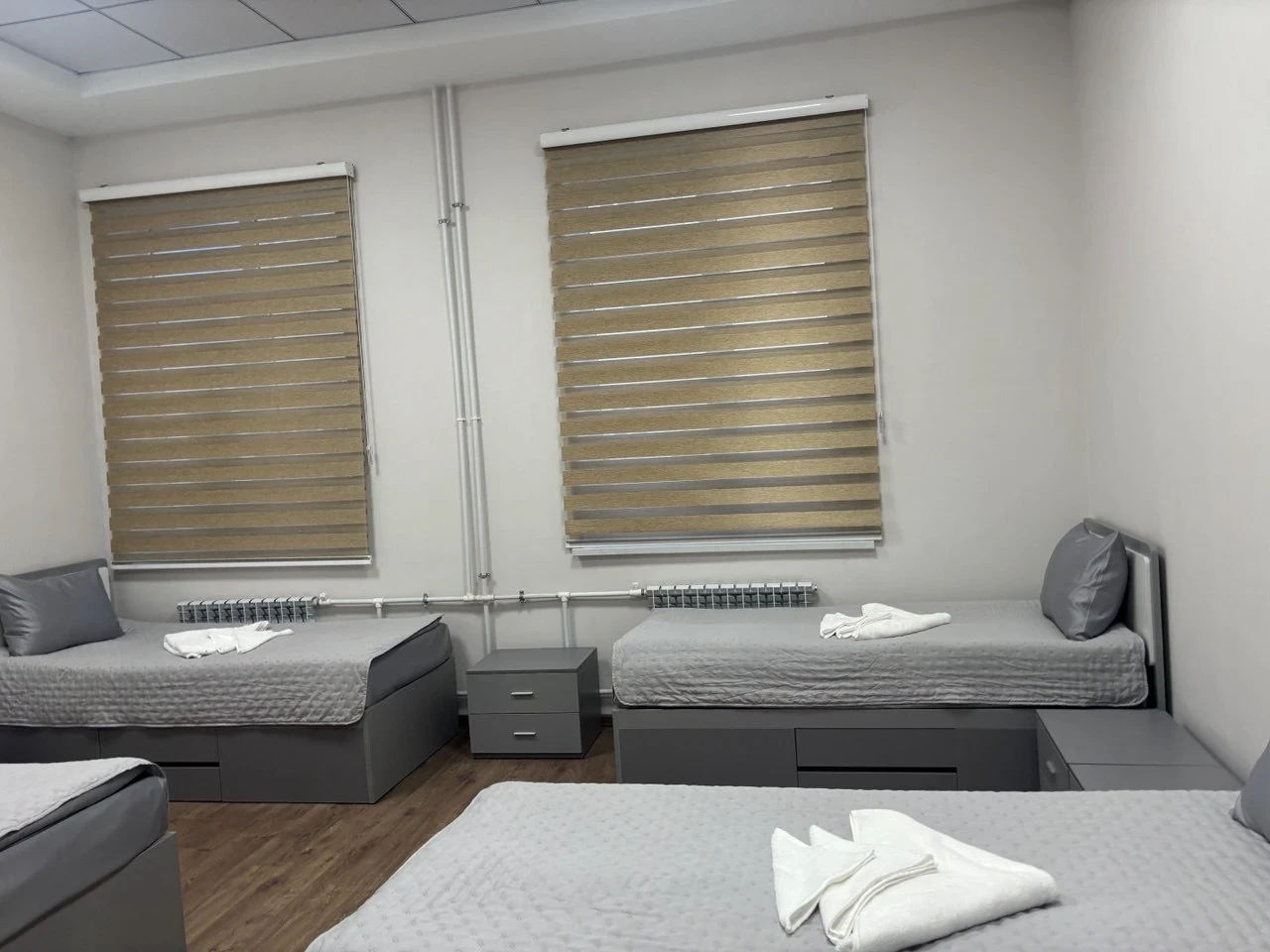
This story is a vivid example of how the fates of people from two countries are intertwined, despite borders.
Energy as a Common Area of Interest
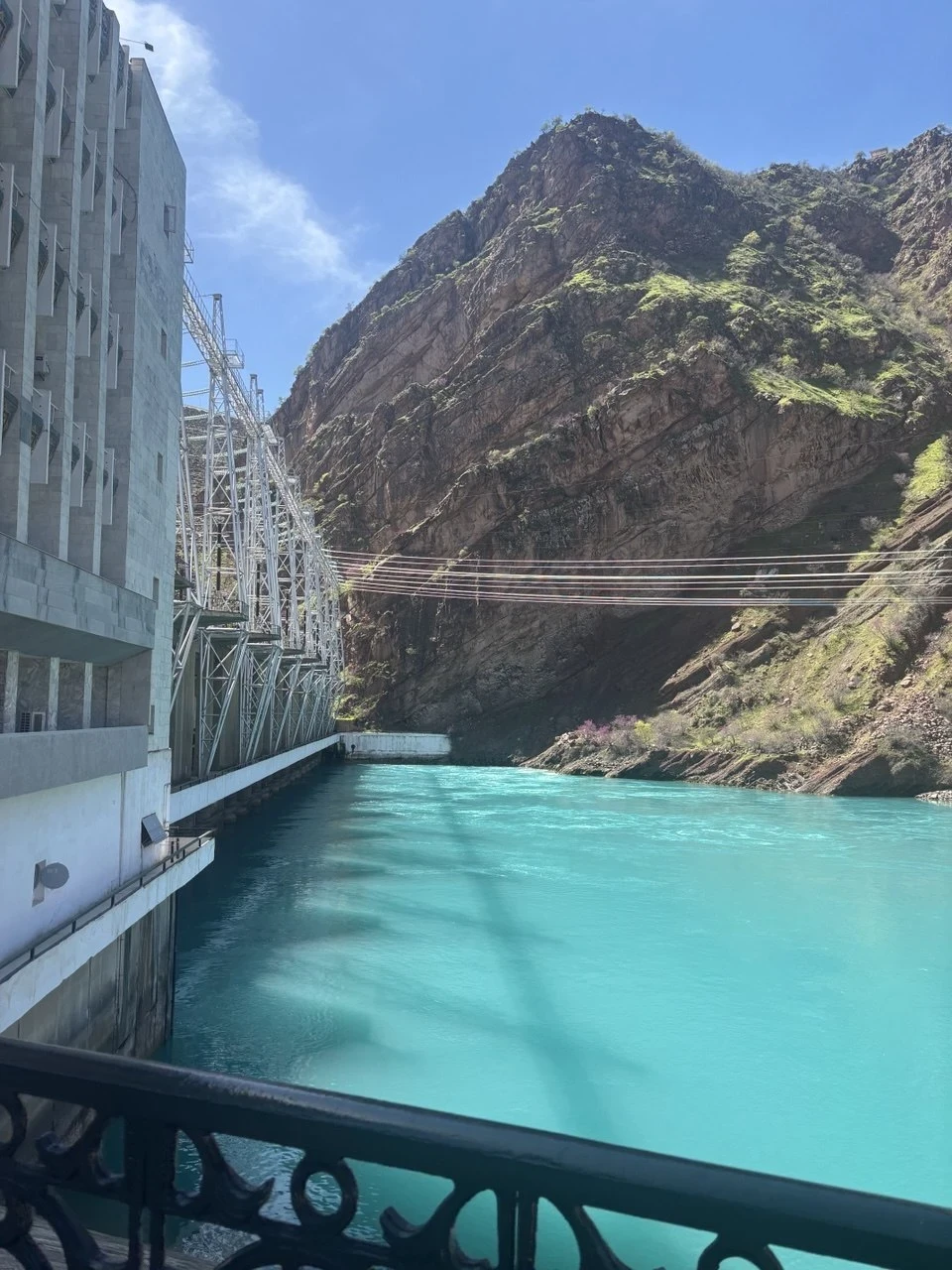
One of the significant sites of our visit was the Nurek Hydroelectric Power Station, the largest hydroelectric power station in the country and an important element of its energy system.According to chief engineer Mahmadamin Mahmadsaidzoda, the power station provides more than half of the population's electricity needs.
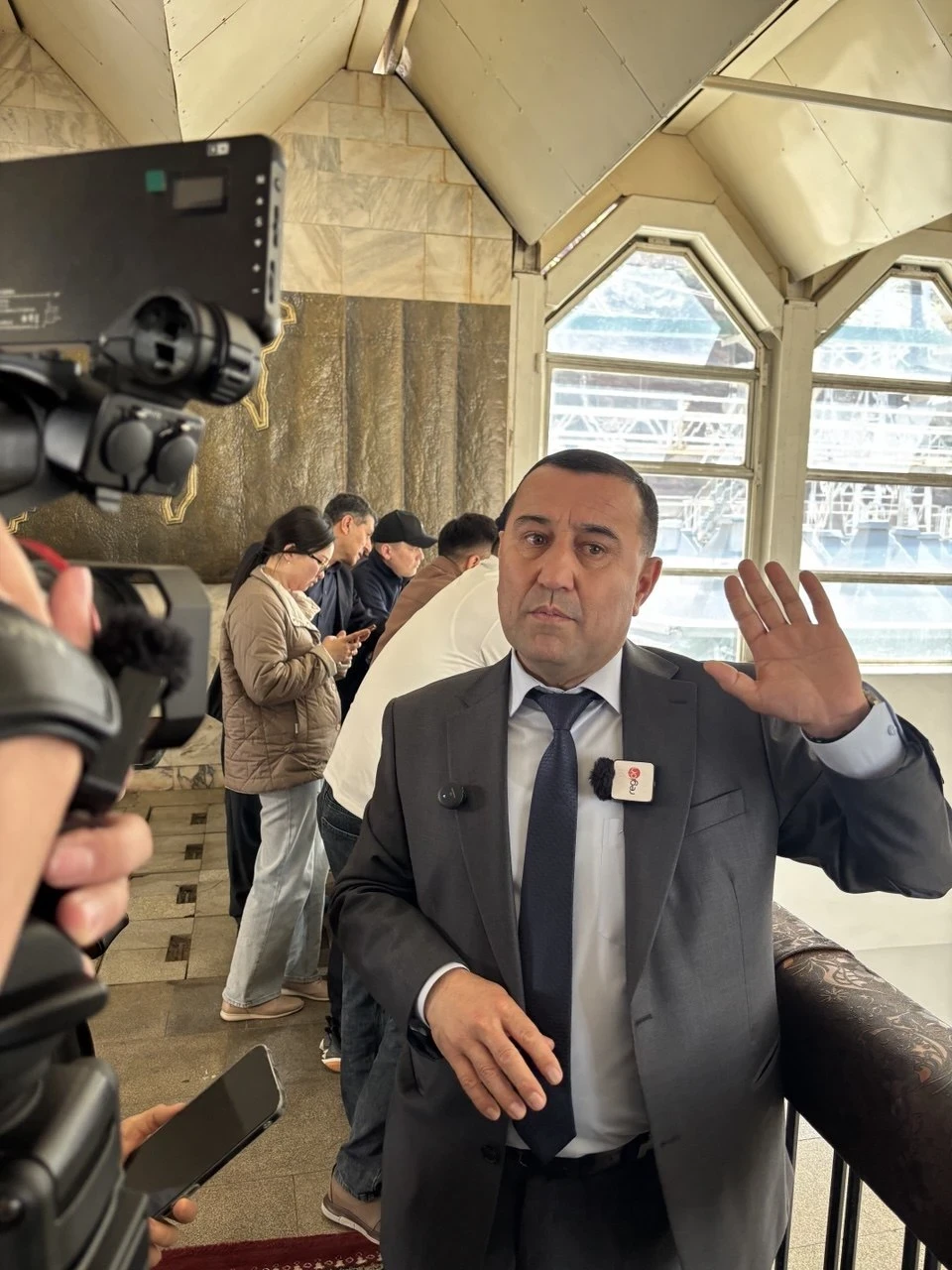
The station was built in 1979 and is located on the Vakhsh River. It consists of 9 power units with a total capacity of 3,000 megawatts, which will increase to 3,375 megawatts after modernization. The dam, 300 meters high, remains the highest earth-fill dam in the world.
There are 12 large hydroelectric power stations operating in Tajikistan, and energy remains a strategically important sector, as it does in Kyrgyzstan. This is another point of contact between the two countries.
Journalists were informed that the water level in the reservoir should reach 910 meters, but currently, it is about 857 meters, which is below the norm.

A similar situation is observed at the Toktogul Hydroelectric Power Station in Kyrgyzstan, highlighting the common challenges faced by countries in the region due to climate change and rising energy consumption.
As in Kyrgyzstan, electricity tariffs are also gradually increasing in Tajikistan, which is done to reduce the burden on the budget and maintain the stability of the energy system. Currently, the tariff is about 4 somoni per kilowatt-hour, which after the March increase reached 40 dirams instead of the previous 31.5. The price increase is explained by the need to modernize hydroelectric power stations, which will allow for increased capacity and reliability of electricity supply in the future.
Cultural and Natural Treasures
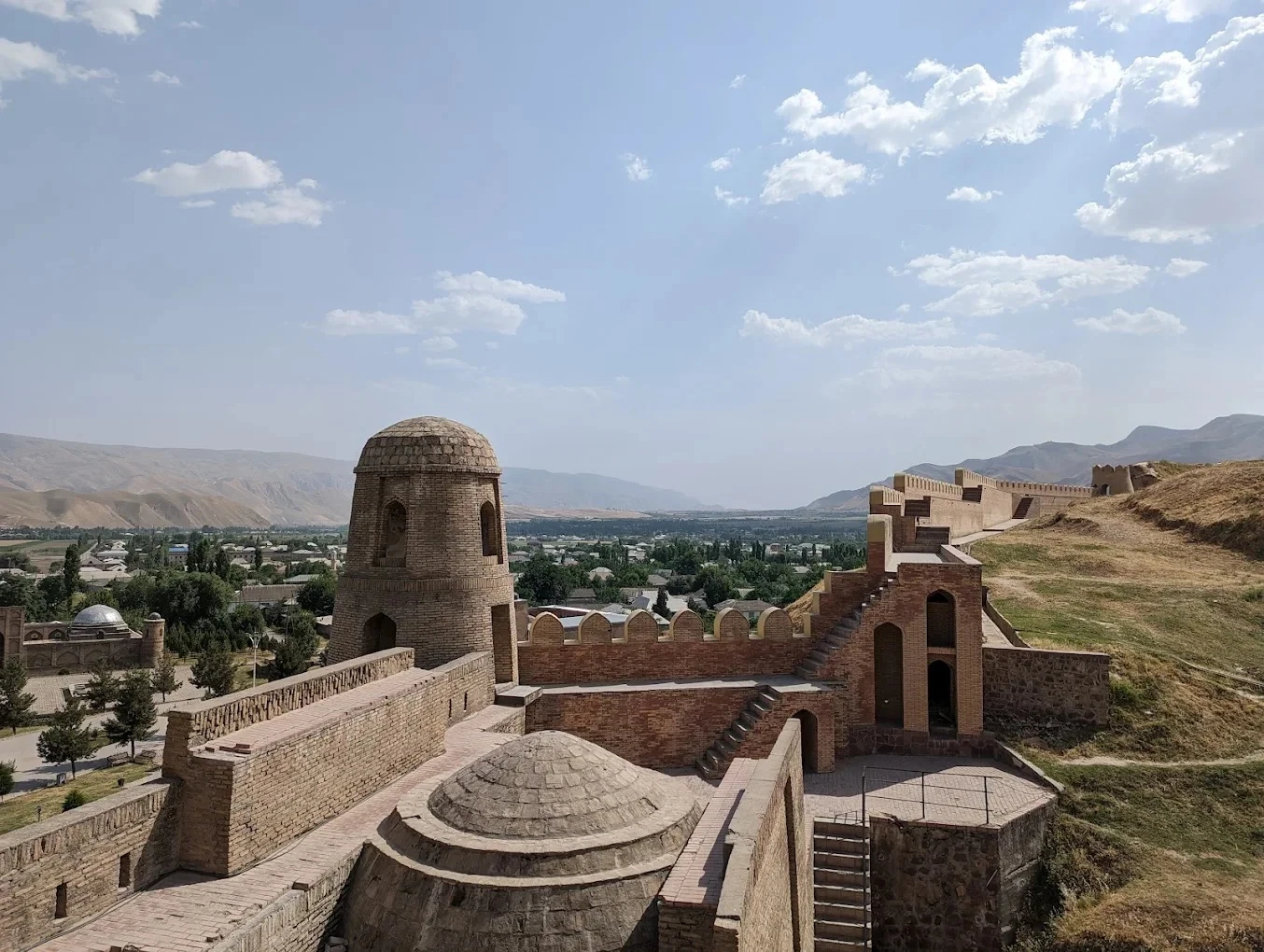
To provide a complete picture of Tajikistan, the organizers of the media tour prepared excursions for guests to significant cultural and social sites in both the capital and the regions.In the Gissar district, we visited the main attraction of the region — the Gissar Fortress, which has a history of three thousand years.


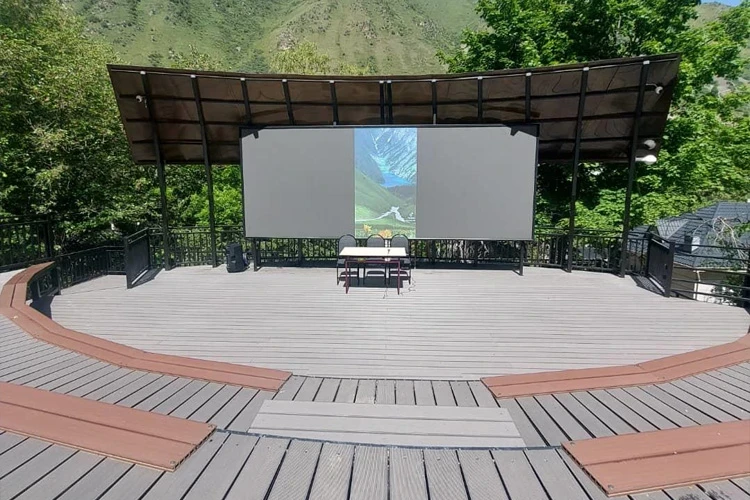
In the Varzob district, we were welcomed by the famous resort "Sarob," formerly known as "Khoja-Obi-Garm," located in a picturesque gorge, offering radon baths and thermal water treatments. These places allow for a deeper understanding of Tajikistan's rich culture and history.

We should not forget about Asian hospitality and the diversity of traditional cuisine. Many dishes resemble Kyrgyz ones, such as chalap, suzmo, flatbreads, pilaf, shashlik, and shorpo, which will leave no one indifferent.

Common Interests and Joint Prospects
The visit showed that Kyrgyzstan and Tajikistan have much more in common than it seems at first glance. It is not just politics and economics, but also deep cultural and human connections that have developed over decades.It becomes evident that sustainable development in the region is only possible through dialogue, mutual understanding, and joint efforts. Such trips are an important step towards making neighbors truly closer.