Kaktus.media has prepared relevant information regarding this program, which raises both interest and concerns among homeowners.
Which buildings are subject to renovation?
Priority will be given to Stalin-era and Khrushchyov-era buildings. Demolition of buildings will only occur after a technical examination, rather than solely based on their year of construction.Which areas will be affected?
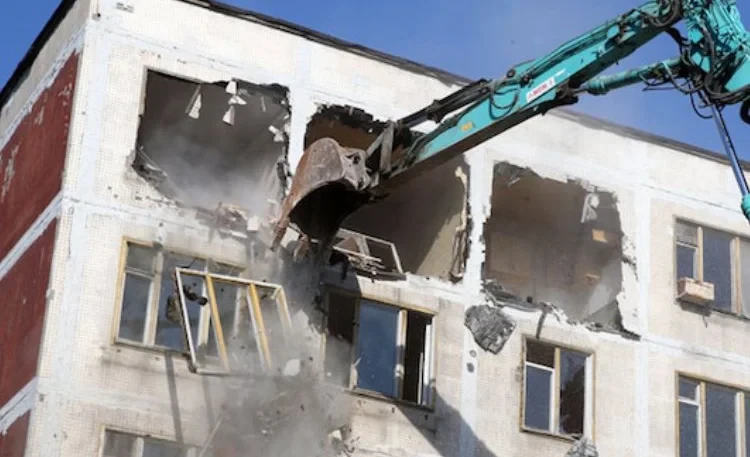
No specific zones where renovation will be mandatory or prohibited have been established yet, but the discussion is focused on areas with outdated buildings.An example of such places is the block at the intersection of Fuchik Street and Chuy Avenue, where old two- and three-story buildings, as well as dormitories in emergency condition, are located: due to moisture, the walls are crumbling, and bricks are falling out. "If we do not take action, these buildings could collapse at any moment," noted Minister of Construction Nurdana Oruntaev.
The city hall added that the selection of areas will depend on investor interest in the projects.
How will the renovation take place?
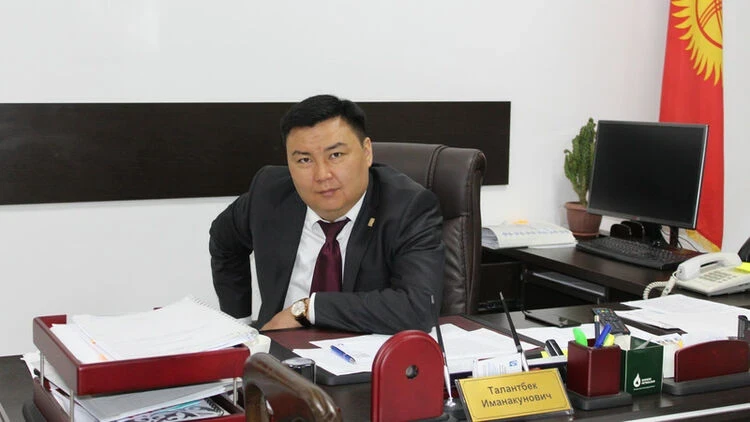
If we understand renovation as the purchase of old buildings and the construction of new ones in their place, such practices have already been applied in Bishkek."For example, on Toktogul Street, there used to be old adobe houses and dormitories, and now there are modern buildings on both sides. Private companies entered into contracts with owners, conducted assessments, and offered some apartments while others were offered money for their homes in different locations. Thus, internal renovation took place," explained Deputy Minister of Construction Imanakun uulu Talantbek.
Now, however, the authorities intend to streamline this process by establishing clear rules and procedures. The Ministry of Construction assures that the goal of the new document is to protect the rights of both owners and developers, as well as to attract investors.
What is offered to residents?
According to officials, residents are guaranteed equivalent housing in new buildings or monetary compensation.How will apartment valuations be conducted?
A draft law "On the Fundamentals of Urban Development, Architectural and Construction Activities" was recently presented to the Jogorku Kenesh, which has already passed its first reading. It contains provisions regarding renovation.- Compensation must correspond to the market value at the time of expropriation.
- Owners may be offered money, new housing, or non-residential premises in exchange for the expropriated property. The new housing must be comparable in area and quality to the previous one or better. It will be provided in the same area or nearby.
- The timelines for relocation, compensation for inconveniences, and other issues related to relocation will be regulated by contracts in accordance with the Civil Code.
- If there is disagreement with the property valuation, the owner may conduct an independent assessment at their own expense.
Where will residents live during construction?
Deputy Minister of Construction Talantbek Imanakun uulu assured that residents will not be left without housing. A new building will be constructed on a vacant lot next to the old one."People panic, thinking they will be evicted and left on the street. This is not the case. The old building will not be demolished immediately. A plot will be freed up for new construction nearby. Residents will be relocated to this new building. If the area of the apartment in the old building is 30 sq. m, then in the new one it will be 40 sq. m. After relocation, the old building will be demolished, and a new one will be built in its place. Thus, the renovation will occur in stages. We cannot leave citizens on the street," he noted.
It is worth noting that almost all the adjacent areas of Stalin-era and Khrushchyov-era buildings are already developed:
- with yards and lawns;
- children's and sports playgrounds;
- parking lots and vehicle entrances;
- sidewalks and paths;
- small utility buildings (container sites, warehouses).
What is the current stage of the renovation program?
The Ministry of Construction reported that the renovation program will be presented to the Jogorku Kenesh after the new composition of parliament is formed. However, the draft law is currently absent from the website where regulatory legal acts are published.Why are residents concerned?
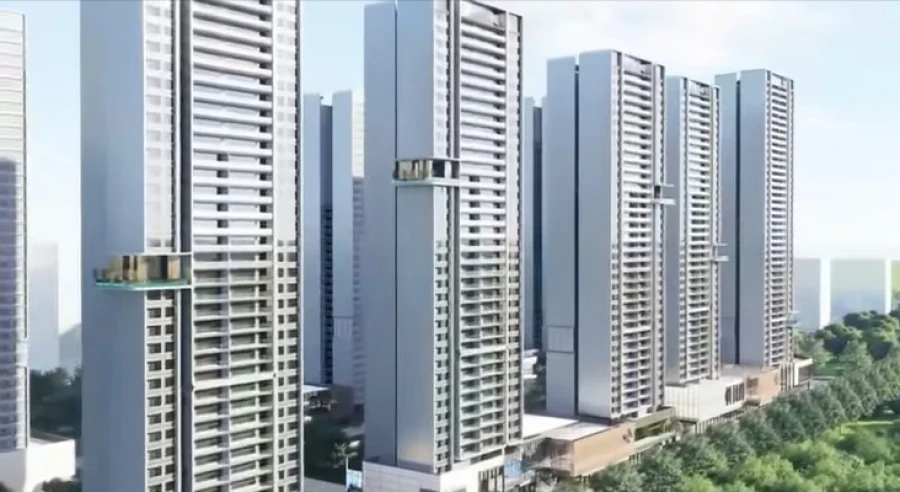
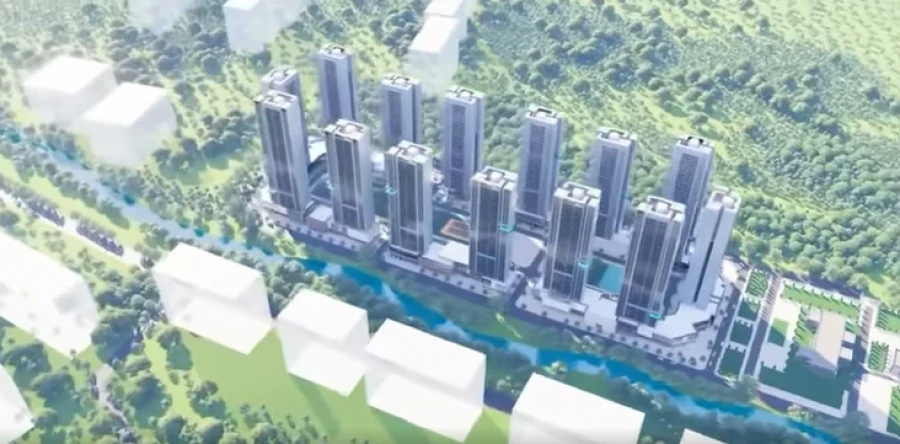
Local residents fear a deterioration in living conditions as areas will be relocated. The new general plan involves the construction of multi-story buildings. Of the planned 24.8 million square meters of housing, almost 50% (12.39 million sq. m) will consist of nine-story and taller housing.This means that in place of a three-story Stalin-era building with 24 apartments, there could be a nine-story building with 72 apartments, while the adjacent territory remains the same, leading to a decline in living conditions.
Additionally, citizens are afraid that they will not be able to defend their rights. The situation with the expropriation of plots on Aitmatov Avenue has undermined trust in the authorities and the property protection system.
Frequently Asked Questions
Currently, the following questions remain unclear:- who will make the decision on renovation: the city hall, the developer, or the residents;
- can one refuse the renovation program;
- how will property rights be protected.
Controversial Issues
One of the key questions is the regulation of owners' demands. The Ministry of Construction states that there are cases where residents abuse their position:"Complaints are coming in from construction companies. One of them decided to build a new house on the site of a Stalin-era building with ten apartments. The company bought nine, but the owner of the tenth refuses to sell, demanding $300,000–$400,000 for their 30 square meters," explained Nurdana Oruntaev.
Some residents expressed dissatisfaction, pointing out that the owner has the right to set the price for their apartment and decide whether to agree to the developer's terms.