Nowruz, celebrated in Central Asia, is one of the most significant holidays, symbolizing the arrival of spring and the beginning of the new year according to the solar-lunar calendar.
For some, this period is a time for family gatherings and traditional rituals, while for others, it is a reason to discuss its role in religious life.
In our research, we turned to tradition bearers and cultural figures to find out how this holiday originated, its significance, and modern interpretations.
Jylajyrat: Roots of Spring Renewal
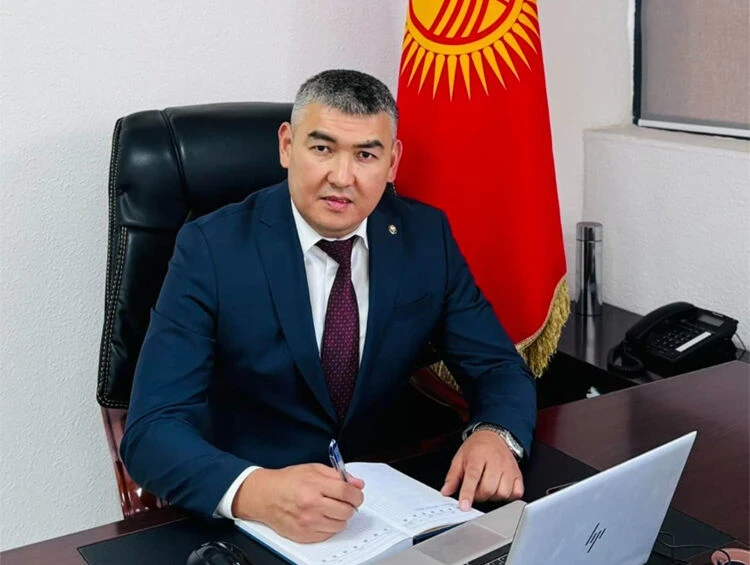
As journalist and storyteller Zhanaly Nurmanbetov recounts, the tradition of celebrating the new year among the Kyrgyz dates back to ancient times and is associated with the spring equinox, when day and night become equal.
This holiday was called Jylajyrat and was celebrated on March 20-21, when nature awakens after winter and a new life cycle begins.
The term "jylajyrat" translates to "renewal of the year," where "jyl" means year, and "jyrat" means renewal, beginning.
Later, the holiday became known as Nowruz, but its ancient name has remained in the memory of the people.
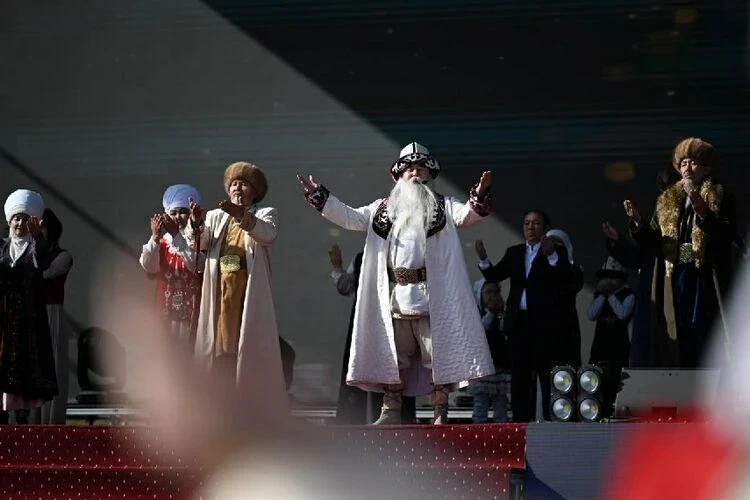
The older generation recalls that the holiday was always celebrated by communities. In the evening, after herding the livestock, people would gather, light bonfires, set up cauldrons, and prepare meat and dairy dishes.
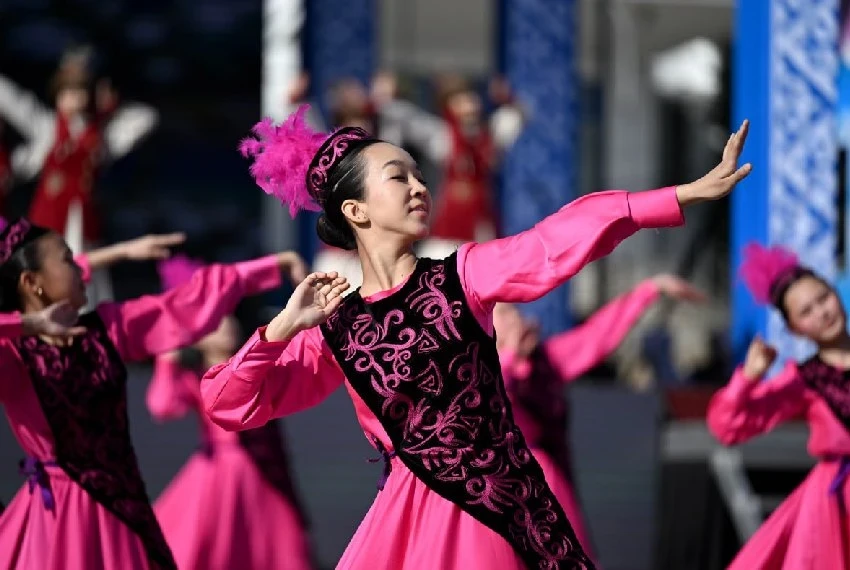
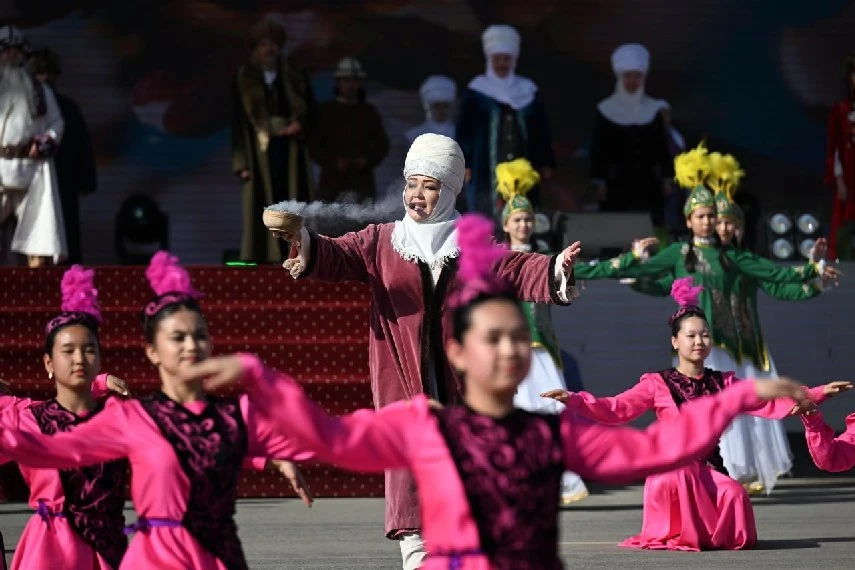
People sang, shared stories, passed on life wisdom, and taught children the traditions of their ancestors.
At dawn, blessings were spoken with wishes for health and abundance for both people and livestock.
Traditions of "Köche-Köjö" and the Symbolism of Abundance
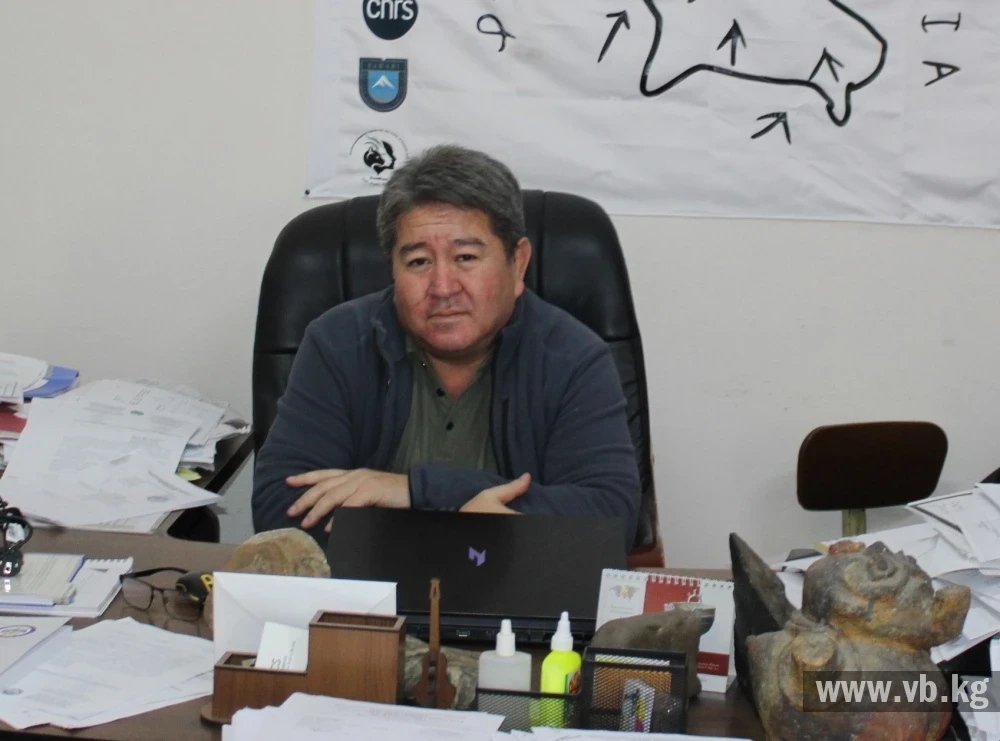
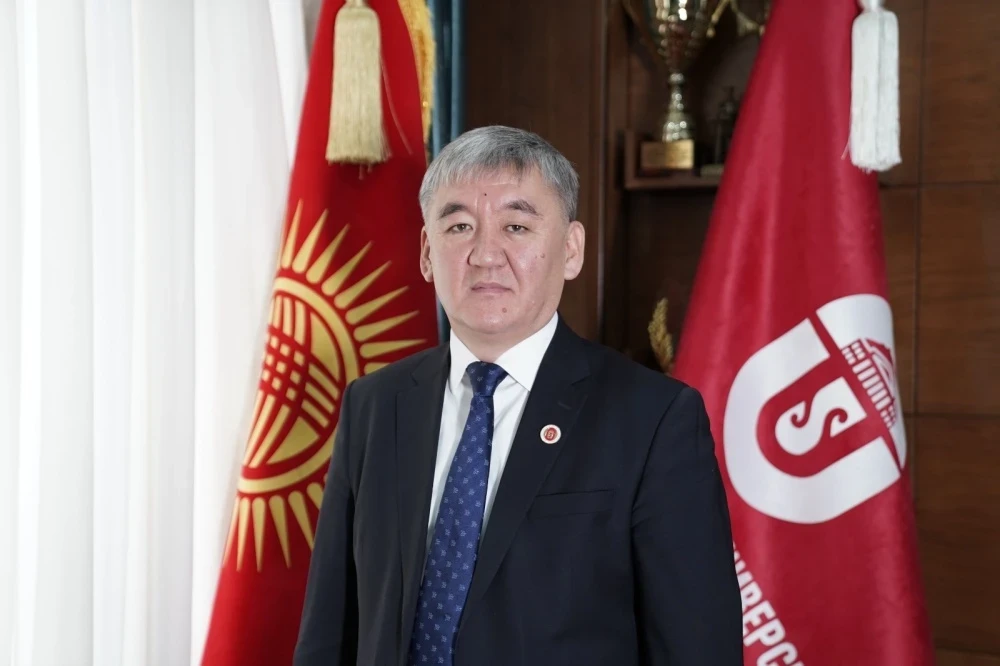
Manas scholar and lecturer at the I. Arabaev Kyrgyz State University, Sanira Zhetigen, emphasizes that similar customs existed in various regions, particularly in Talas.
One of the main elements of the celebration was the preparation of seven different dishes, symbolizing abundance and harmony. The main dish was köche-köjö, made from meat, oil, flour, wheat, or corn, sometimes adding cottage cheese. This dish was thick and nutritious.
On the table, there were also bread, flatbreads, crushed grains, sour cream, kurut, and butter.
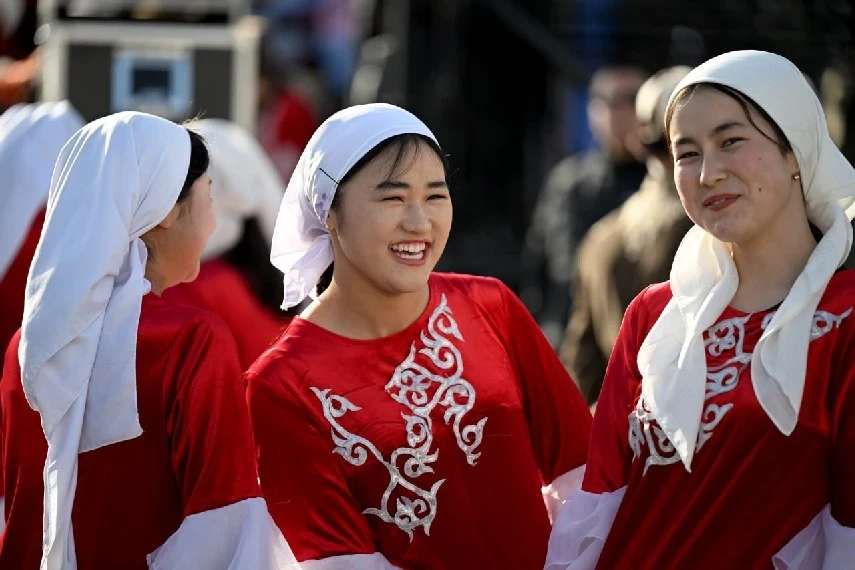
This tradition has roots in the nomadic lifestyle. By spring, food supplies were depleted, livestock weakened, and new grass had not yet grown. Therefore, during the holiday, a special ritual was performed where people asked the Creator for the earth to provide grass, for livestock to strengthen and begin to give milk, and for harmony and abundance to prevail in the world.
The researcher notes that the mass state celebration of Nowruz, including the preparation of sumolok in Bishkek, became widespread during the presidency of Askar Akayev. However, the traditions themselves have much older roots.
Culture and Music: The Living Sound of Traditions
Musician and Honored Worker of Culture of the Kyrgyz Republic Tolgonai Osmonova emphasizes that Nowruz still holds an important place in the cultural life of the country.
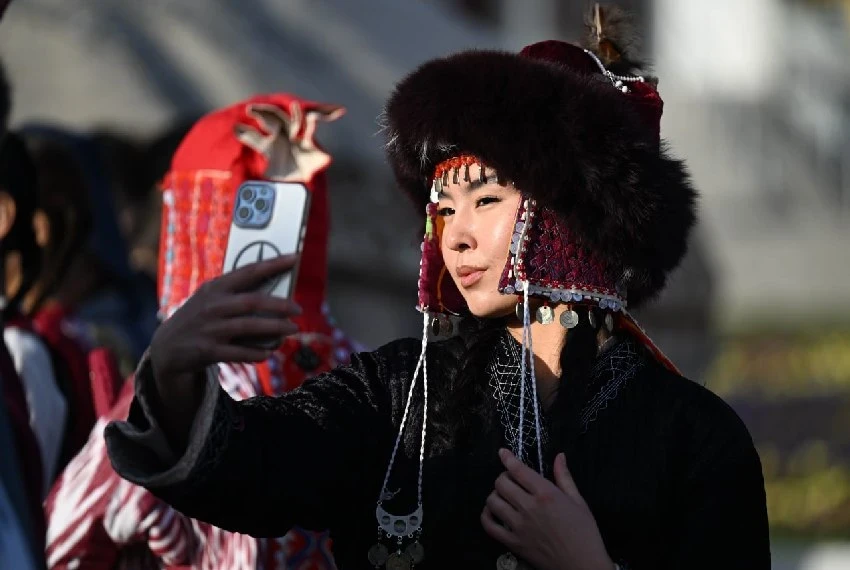
“Nowruz is a time when our traditions, music, and culture come alive. On this day, national instruments and folk songs resonate, concerts and performances take place. For us musicians, this is one of the most significant periods of the year. Through music, we convey the atmosphere of spring, renewal, and unity,” she notes.
She also adds that such holidays play an important role in preserving cultural heritage and passing it on to younger generations.
At the Intersection of Traditions and Religion
The editorial team also sought comments from representatives of the Spiritual Administration of Muslims of Kyrgyzstan regarding how believers should perceive the celebration of Nowruz.
Previously, theologian and religious scholar Kadir Malikov emphasized that this holiday can be viewed as a cultural and historical phenomenon without religious underpinnings.
At the same time, religious preacher Ermek Tynai uulu believes that the celebration of Nowruz does not conform to Islamic norms.
“We consider Nowruz to be an impure, sinful act, as it contains elements of worshiping everything except Allah. The traditions of the holiday reference worship of water, stones, and nature — this does not give life to a person. These elements manifest in the greetings and blessings that are spoken on this day. Our people generally perceive holidays as festivities, while in Islam, a holiday is a time for forgiveness of sins, purification of the heart, and changes in life,” says Ermek Tynai uulu.
In his opinion, many holidays negatively affect people, shaping their consciousness and inner state. Therefore, only two holidays are recognized in Islam — Kurman Ait and Orozo Ait.
The Holiday as a Unifying Factor
Despite differing opinions, Nowruz remains an important part of the cultural tradition of the Kyrgyz people. Its roots are connected to natural cycles — the spring equinox, the renewal of the earth, and the beginning of a new life period.
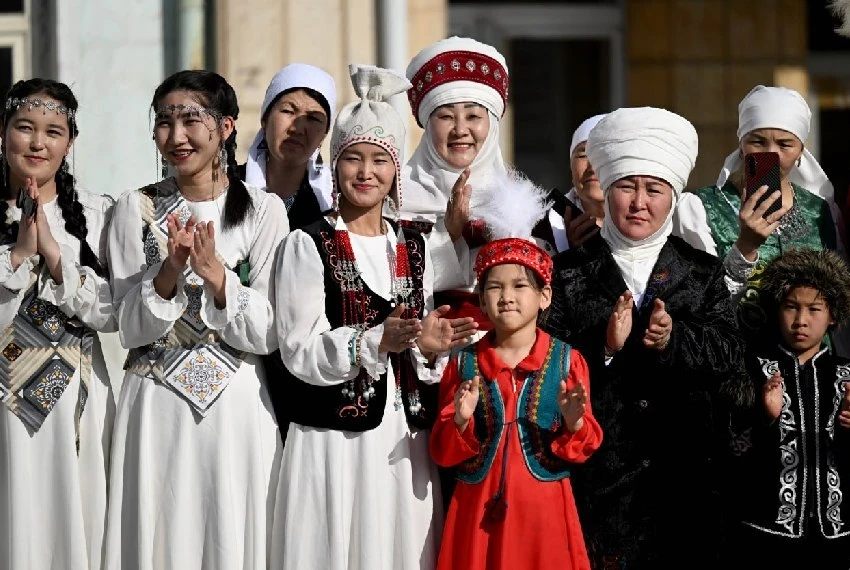
For centuries, this day has become a symbol of hope, unity, and continuity. And today, Nowruz continues to fulfill the same role, bringing people together and reminding them of the value of culture, history, and the deep connection between humans and nature.