According to the commonly accepted calendar, spring begins on March 1, but in the traditions of the Kyrgyz people, this season starts later. There is a saying: "Tokson ketpей, ton ketpейт," which emphasizes the connection between the end of tokson and the cessation of frosts.
Turmush previously informed that "Tokson" is divided into three stages:
- initial — from December 13 to January 8;
- middle — from January 8 to February 18;
- final — from February 18 to March 13.
From February 1 to March 1, there is a period called "Müyüz ayaz," which follows "Temir ayaz" and is characterized by not very strong frosts. Then, from March 1 to 13, comes "Kiyiz ayaz," indicating a weak frost. According to folk tradition, it is on March 13 that the frosts leave, the earth begins to thaw, and the trees awaken.
In the southern part of the country, this period is known as "amal ayı." After the frosts end, [“childe”] the "sary kar" [yellow snow] falls. Some researchers claim that the period when the "tokson dogu chal" departs lasts from February 26 to March 11. According to folk beliefs, after March 11-13, winter finally retreats.
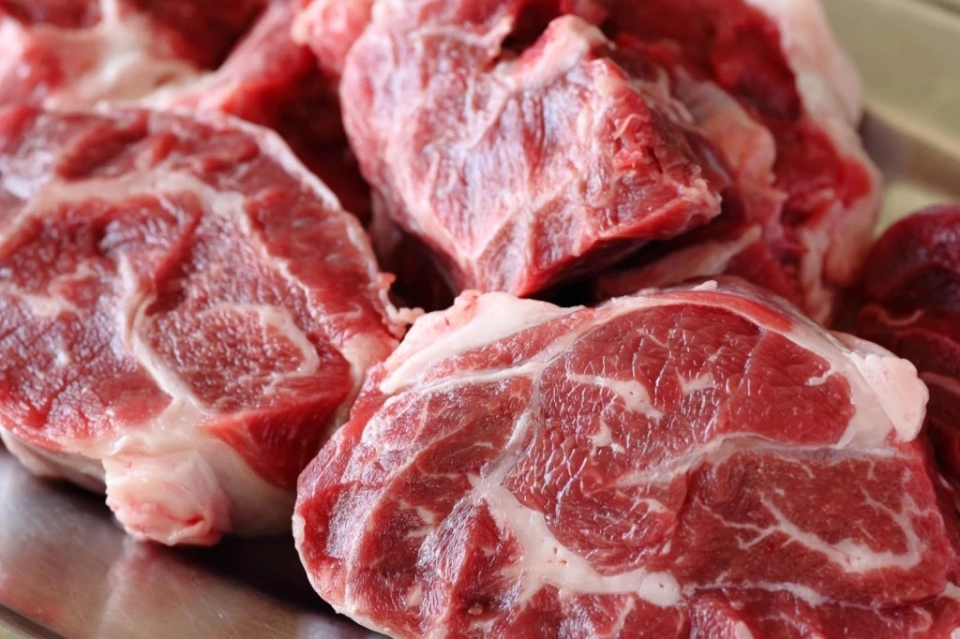
March and April are referred to by the Kyrgyz people as "Uzun sary," meaning early spring. During this time, days become longer and nights shorter. In the past, Kyrgyz people would leave dried meat, "sary jürmö" [thick cow intestines with fat inside], and fatter pieces of meat. It was believed that during this period, a person eats poorly, loses strength, and livestock becomes emaciated, with feed supplies running low. If it snows during this time and the grass has not yet turned green, livestock begins to eat their own wool, leading to "zhut" [mass death of animals due to lack of feed]. In prolonged cold spells, livestock mortality becomes more significant.
The elders of the Kochkor district tell a story about how a local resident asked his wife to keep "sary jürmö" in a bag of flour for the duration of "Uzun sary." One day, while he was away, a traveler knocked on their door. The woman saw a tall man with a yellow face and thought he was the very "uzun sary" her husband had spoken of. She took out the "sary jürmö" and prepared a meal. Later, when spring arrived, the man said: "Kempir, here comes 'Uzun sary,' bring the 'sary jürmö' we left," to which the woman replied that she had prepared it for the traveler. He explained that "Uzun sary" indicates the beginning of extreme need for food, and people need to eat better, which is why meat supplies are so important.
During the nomadic times, Kyrgyz people would prepare the carcasses of large cattle or horses for winter, as with the approach of spring, the livestock would become emaciated and unsuitable for slaughter. Fattened horses were killed, butchered, and "chuchuk" and "karta" were prepared separately to preserve strength during the "Uzun sary." Fattened cows were also slaughtered, and "sary jürmö" was processed and stored. The meat of sheep was separated from the bones, and then the flesh was buried in the snow for storage.
When spring took hold and the snow began to melt, the frozen meat was used for cooking. Delicacies such as chuchuk and karta, which were prepared from the fattened mare, were stored in bags of flour until summer. This meat was called "uzun saryga saktagan" and was mainly fed to respected people.
Thus, as the elders assert, on March 13, the first "tokson" ends, and the second begins, lasting from March 13 (according to some sources, from March 18) to June 13 (or June 18). This period is called "baar" [or "jaz chiledesi" — early spring]. During this time, they sang: "Abal (mezgil) baar jaz ele, jalama ayran az ele" [“This was early spring, there was very little ayran”].
March 22 marks the day of the spring equinox, and from March 23, the days begin to lengthen. This period is called Nooruz.
The Kyrgyz people celebrate Nooruz on March 21, and 40 days later [from March 13] on April 23, the period of "chil baar" ends, and a 10-day "gulbaar" begins. On May 2, early spring comes to an end. There is a saying: "Ürkör batty, kosh jaty," and during this time, the planting of grain crops begins. From May 8, the period of "saamal" starts, during which mares are milked to prepare kumyz [usually kumyz with the addition of fresh mare's milk - saamal].