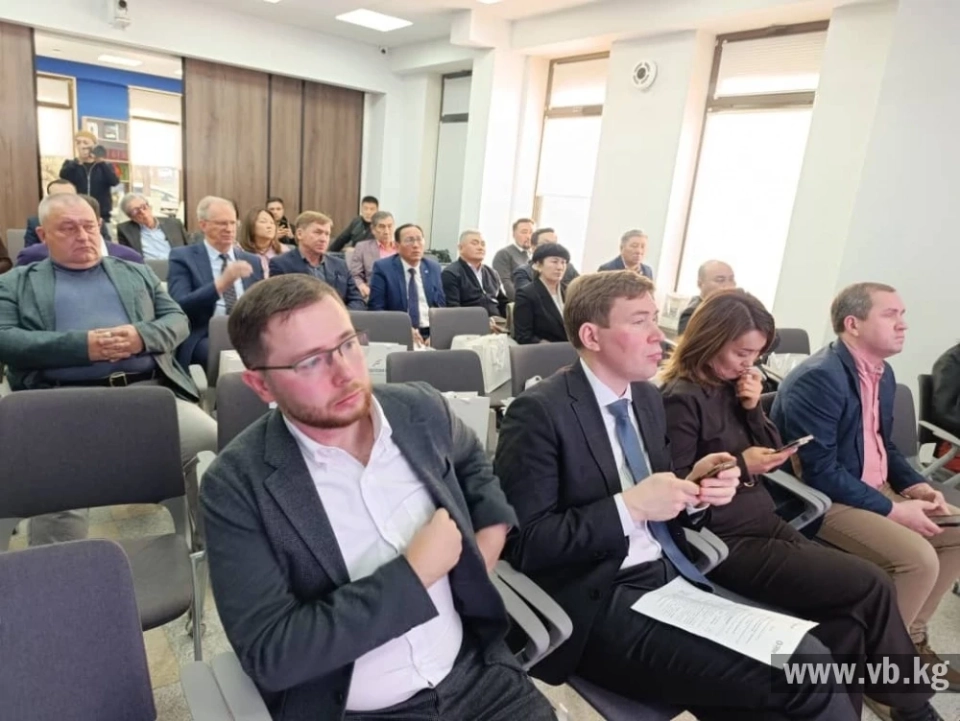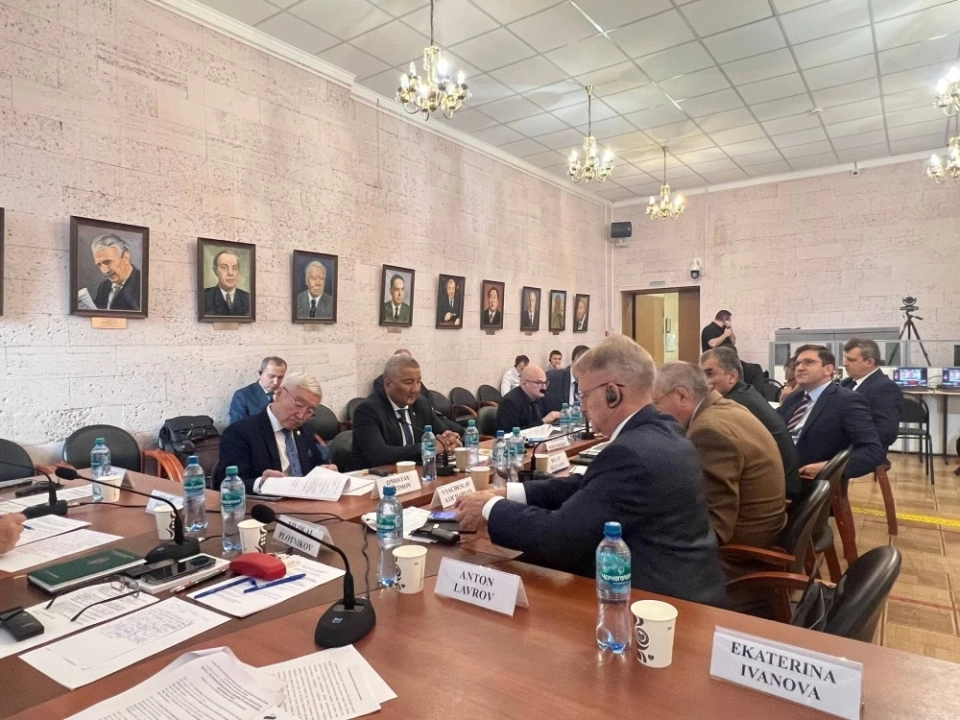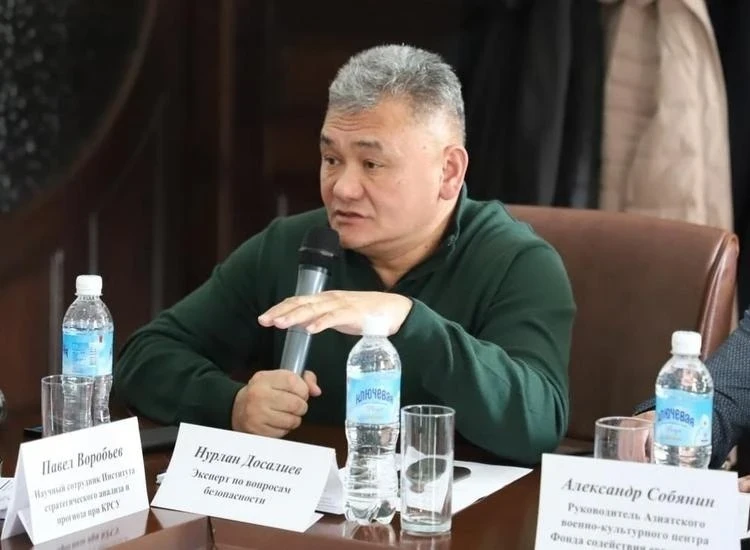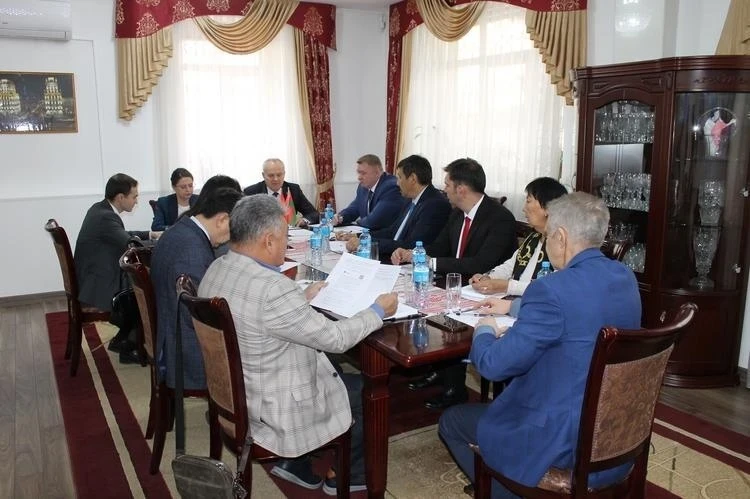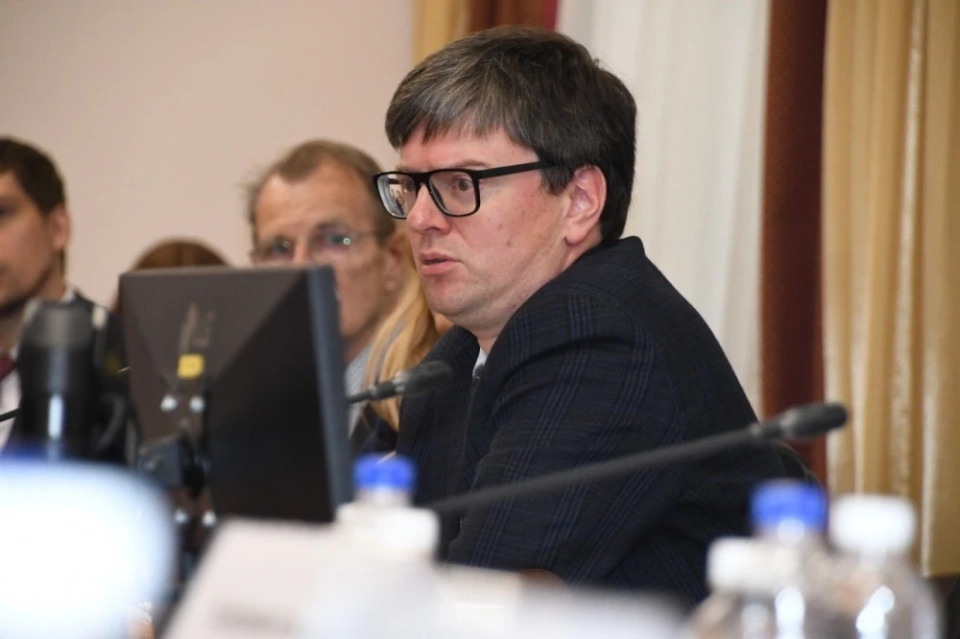
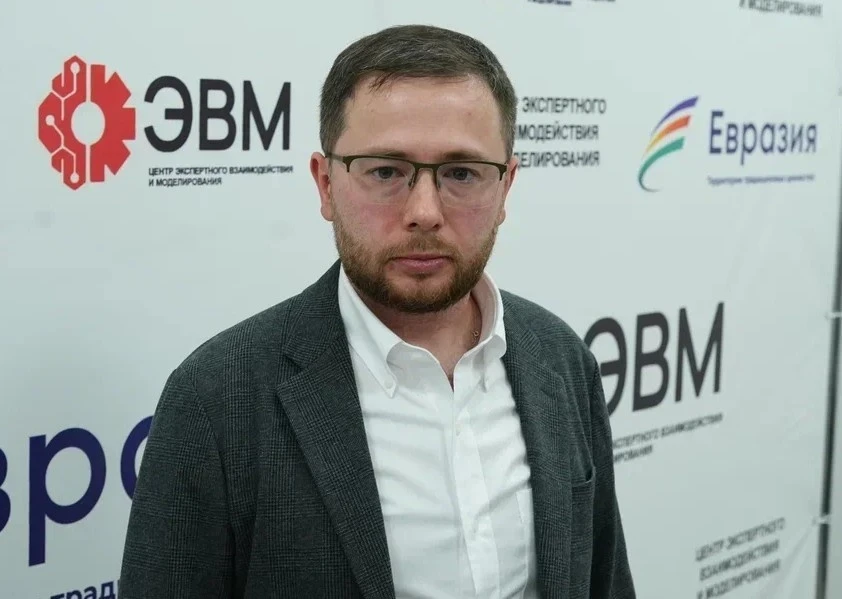
The Center for Expert Interaction and Modeling (Center for EVM) has opened in Bishkek, operating on the basis of the non-profit organization "Eurasia." Russian political scientist Vladimir Lubyanko participated in the event, with whom we discussed current issues of regional politics.
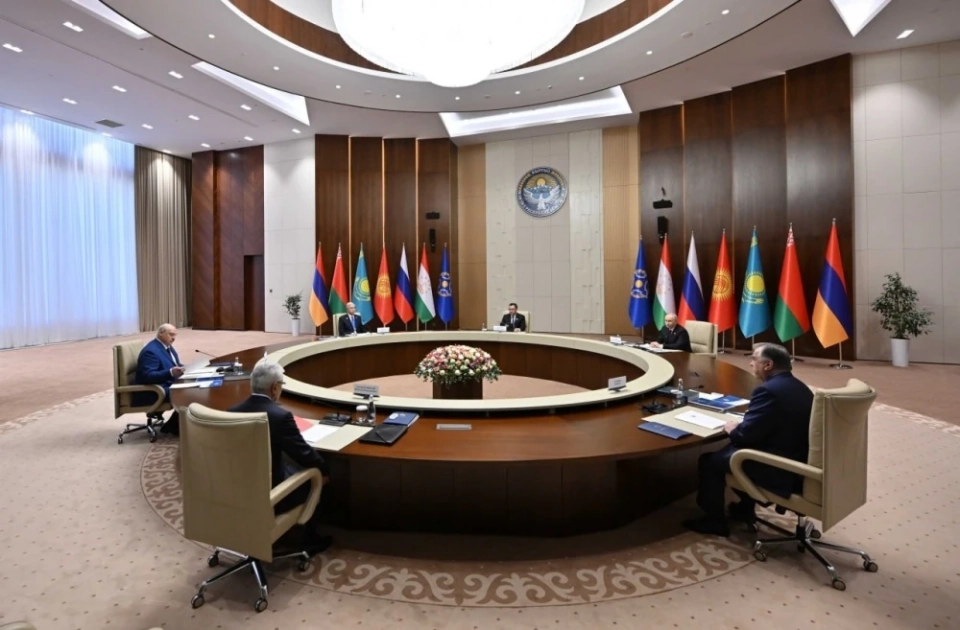
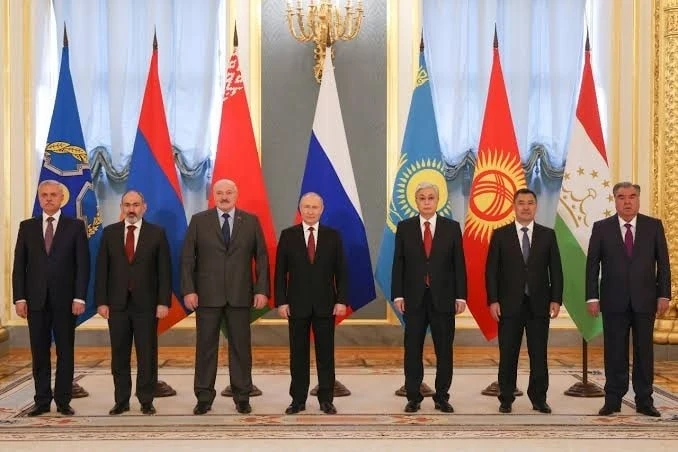
- How would you characterize the recent CSTO summit? What do you think of its results?
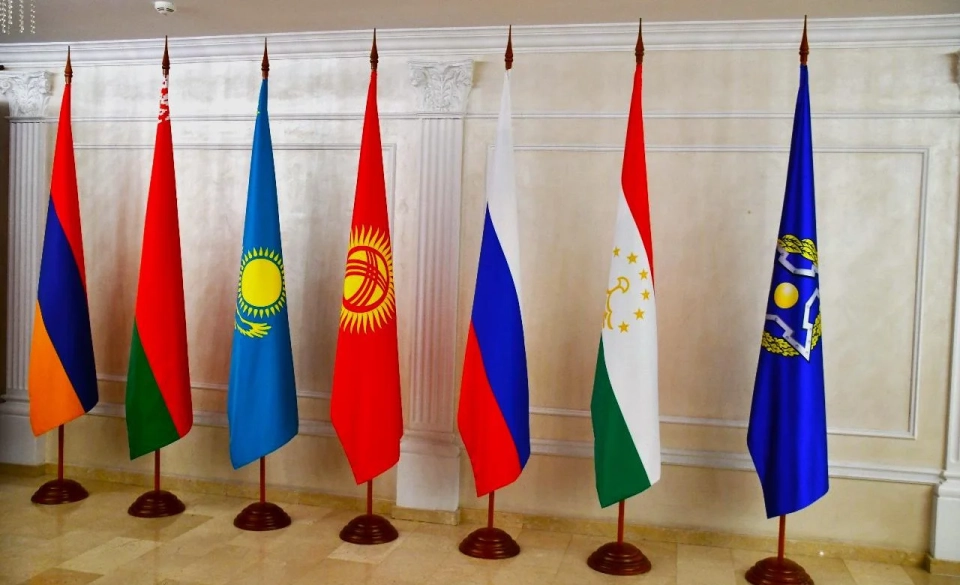
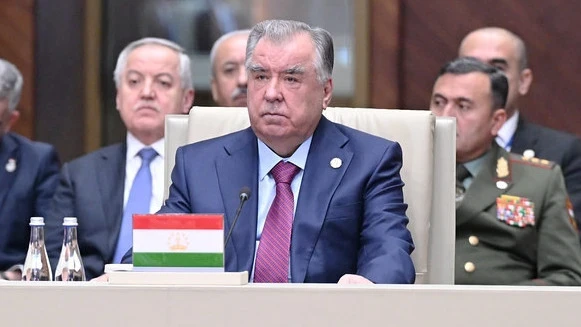
- The summit certainly took place, went smoothly, and the participants confirmed their common intentions. We are observing systematic work on the security architecture in the macroregion, which is an important element of a consistent policy.
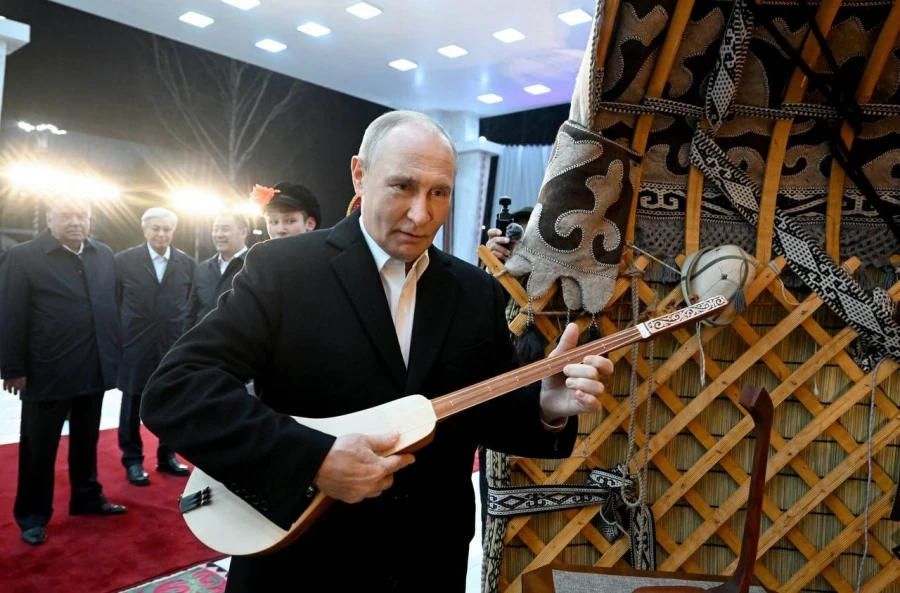
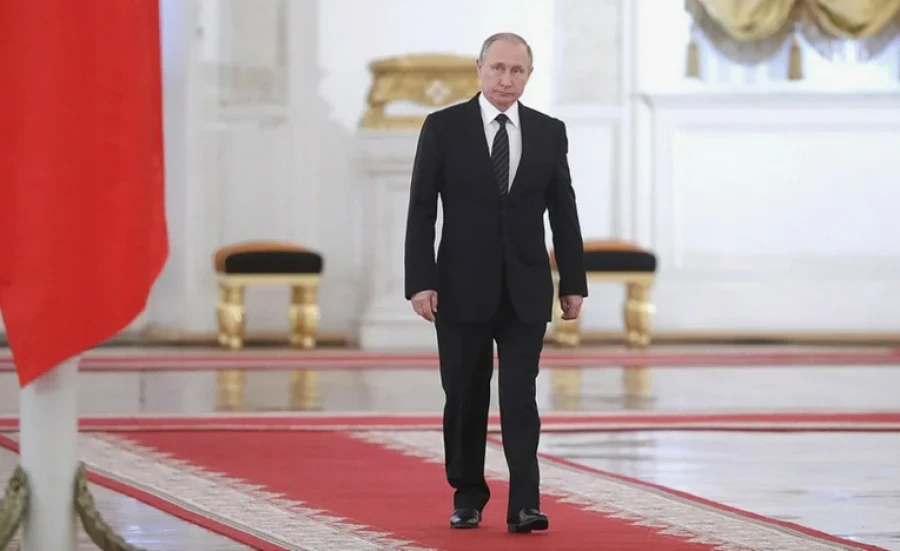
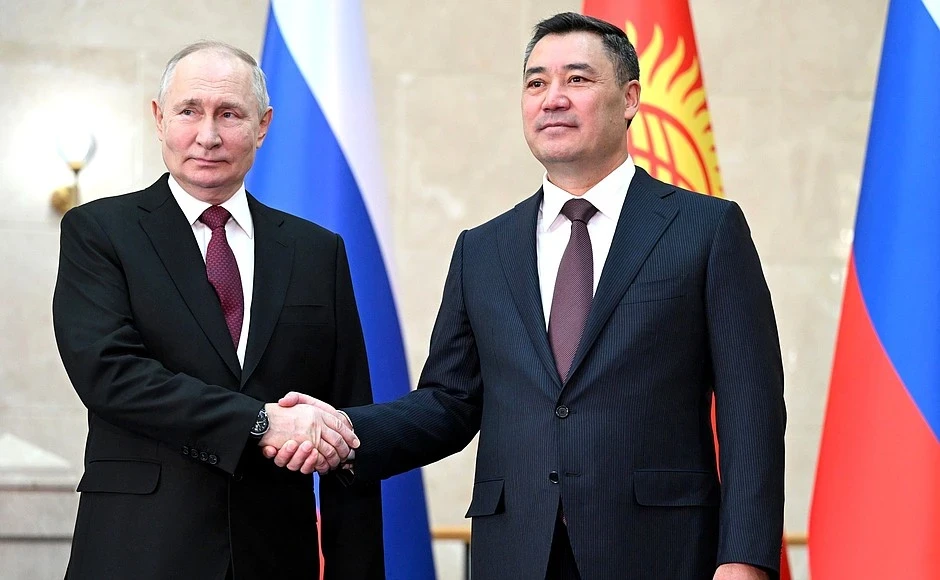
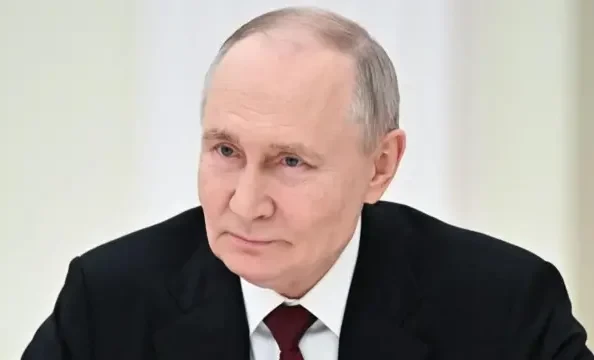
I want to pay special attention to the visit of the President of Russia to Bishkek. He not only actively participated in business negotiations but also made symbolic gestures, such as greeting soldiers in Kyrgyz and playing the komuz — a traditional musical instrument. These gestures are perceived by society as a sign of respect for the culture of the partner country.
- One of the analysts once said that the CSTO is a kind of protection for Central Asia; otherwise, the region could find itself in a situation similar to Syria or Afghanistan. Do you agree?
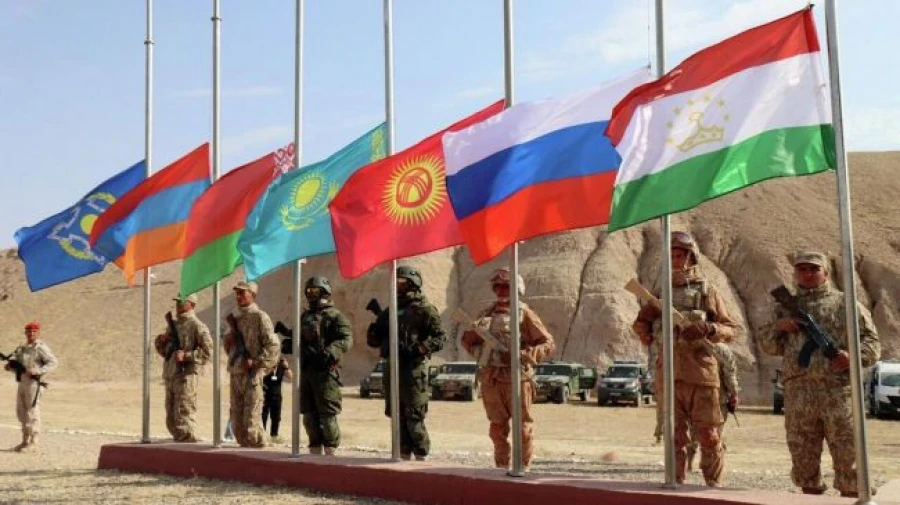
- The comparison with Syria and Afghanistan is certainly quite sharp, but there is some logic to it. We are in an era when collective security is undergoing serious tests. Central Asia is a region with complex neighbors, and the presence of an active defense alliance here is extremely important.
- How do you assess the activities of the Eurasian Economic Union? What challenges does it face?
- The EAEU is functioning. In the modern world, logistics, delivery speed, and transparency of customs procedures are key competitive advantages. Unions that successfully establish these processes have clear advantages over those where obstacles exist.
As for the challenges, economic integration always entails social changes. Migration, information exchange, and everyday interactions among people create a common space that requires analysis and management. This is both a challenge and an opportunity for development.
- Thus, the cooperation between Russia and Kyrgyzstan within the EAEU or SCO already goes beyond economics?
- Absolutely. The economy serves as a foundation, but something greater inevitably forms on its basis. When trade rules and the movement of people are simplified, and mutual flows increase, the need for a common language arises. This concerns not only vocabulary but also values: common notions of justice, societal structure, and important aspects for preservation.
- Many experts believe that Eurasianism is becoming a new unifying ideology for countries with diverse cultures. What is your view on this?
- I would not call it an ideology in the traditional sense — Eurasianism does not have a single manifesto or party program. It is more of a value-based foundation that is formed organically in different countries and proves compatible with their cultural characteristics.
The main point is that Eurasian ideas rely on traditions — family, culture, and religious identity. While globalist projects often propose abandoning these foundations, viewing them as secondary, this is where the division arises.
- What specific traditions do you mean?
- First and foremost, these are traditional families and the preservation of languages and cultural heritage. In the Eurasian space, traditional values are taken much more seriously than merely as a "club of interests." They are the foundation of identity. Without value-based authenticity, sovereignty loses its meaning. Why would a state need political independence if it has nothing to protect and pass on to future generations?
Thus, Eurasian integration is built on respect for national characteristics, avoiding attempts at unification.
- In Russia, the protection of traditional values has become an important aspect of state policy. Does such an approach suit the countries of Central Asia?
- It not only suits but is also natural. The countries of Central Asia have rich cultural traditions, the preservation of which appears as a natural task.
It is important to understand that traditional values do not contradict modernization — they should become its foundation. Japan, South Korea, and China have successfully modernized without abandoning their identity. Reasonable modernization, based on historical traditions, is necessary.
- But globalization is an inevitable process?
- It all depends on how we understand it. Thirty years ago, it seemed that the world would come to a single format — political, economic, and cultural. However, this did not happen. A unipolar world did not materialize, and we see several centers of power with different development models.
Globalization in its current understanding is the accessibility of goods, technologies, and information, but sovereign states remain key players.
For example, this is particularly noticeable in the cultural sphere. Small countries find it difficult to compete with the Hollywood industry or global platforms. Therefore, the state needs to actively participate in cultural production, just as it does in social networks — countries without their own platforms find themselves in a vulnerable position.
- Have there been historical cases where the loss of values led to disasters?
- Yes, there are plenty of such cases. Attempts to impose modernization while ignoring traditions often led to mass protests. A classic example is the Shah's Iran, and the political divide in modern Turkey is largely also a legacy of the modernization leap a century ago. Society does not accept changes if they do not take into account its value foundations.
- Tell us more about the Center for Expert Interaction and Modeling in Bishkek. What will it be engaged in?
- The Center was created on the basis of the non-profit organization "Eurasia," which is already implementing cultural, educational, and charitable projects in Kyrgyzstan.
The idea is that there are many strong experts on Eurasian issues in the region, but they lack a platform for collaboration. The Center is intended to become such a platform.
Priorities will include creating a common linguistic space, preserving traditional values, Eurasian integration, and shared historical memory. We plan to attract specialists from different countries. The goal is not just to hold discussions but to create concrete projects and products: research, recommendations, and educational materials.