Expert Discussion on Security Issues
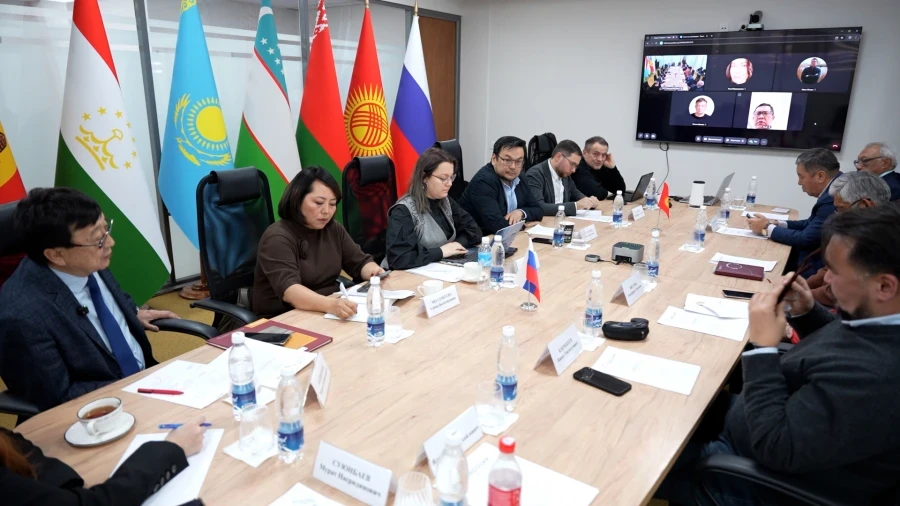
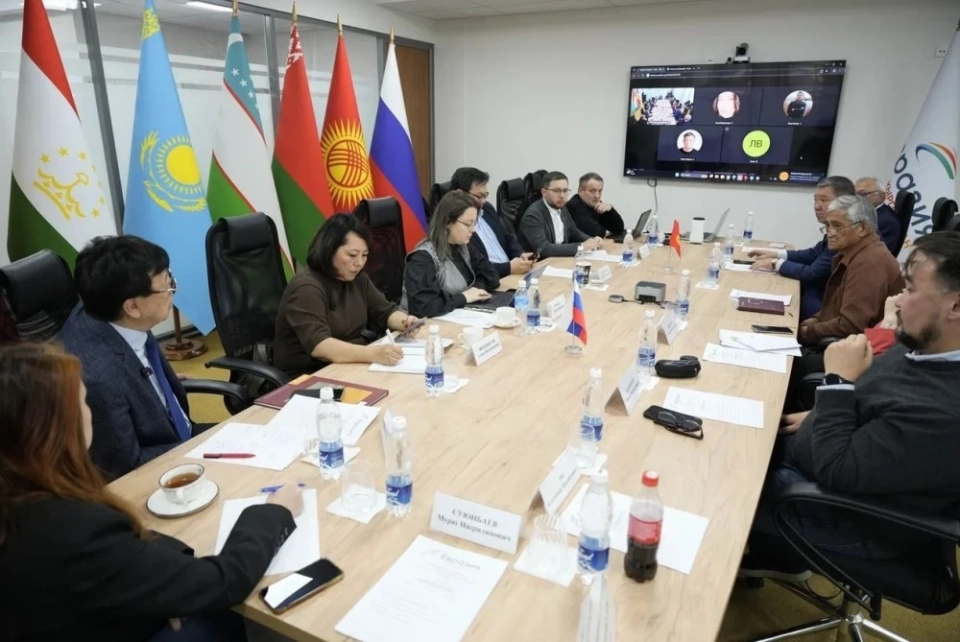
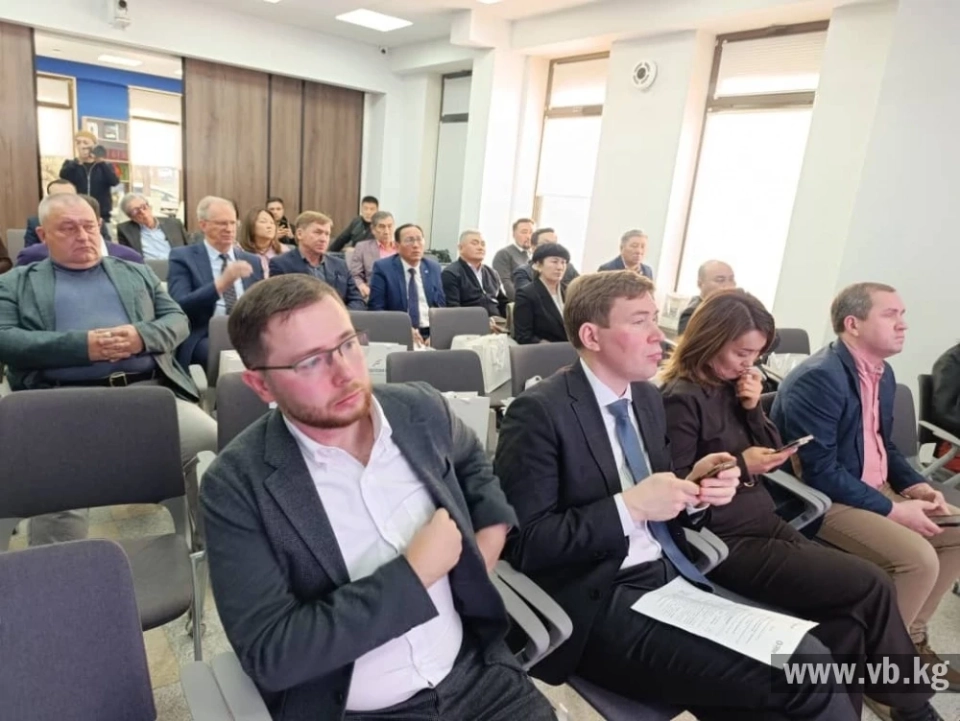
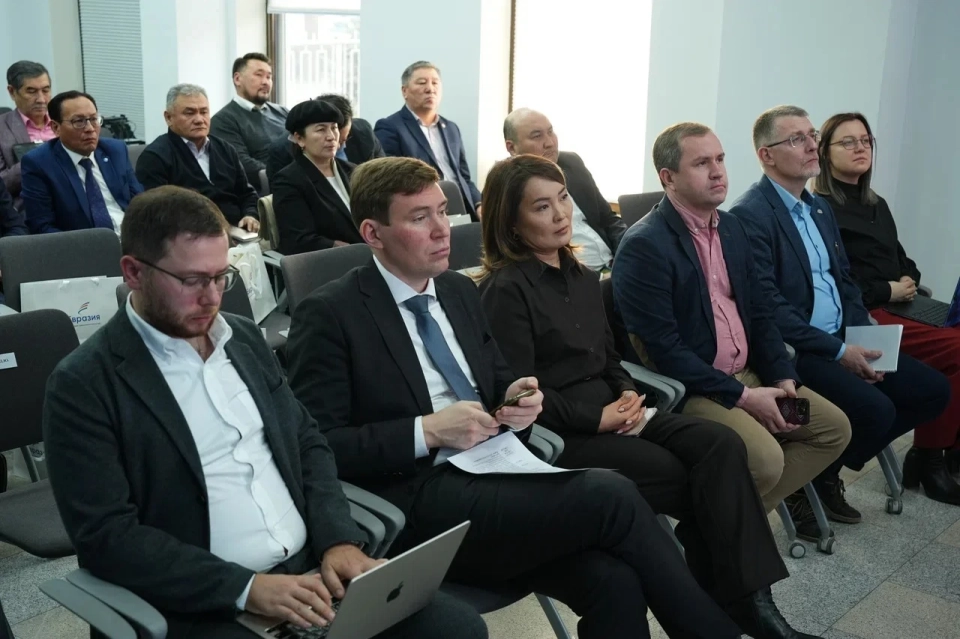
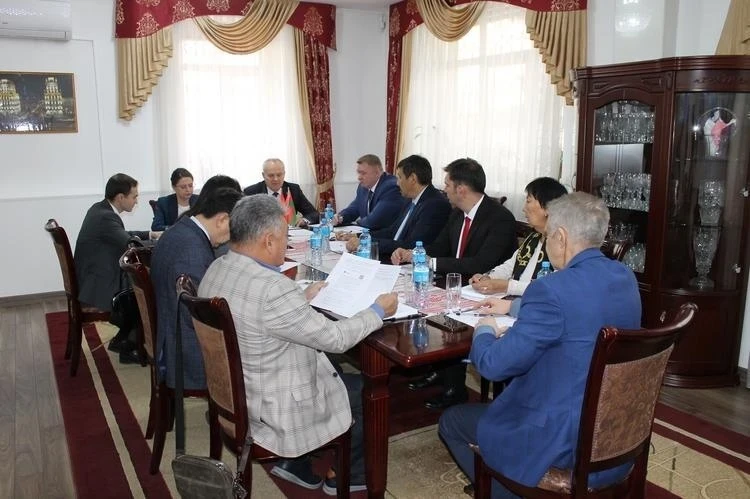
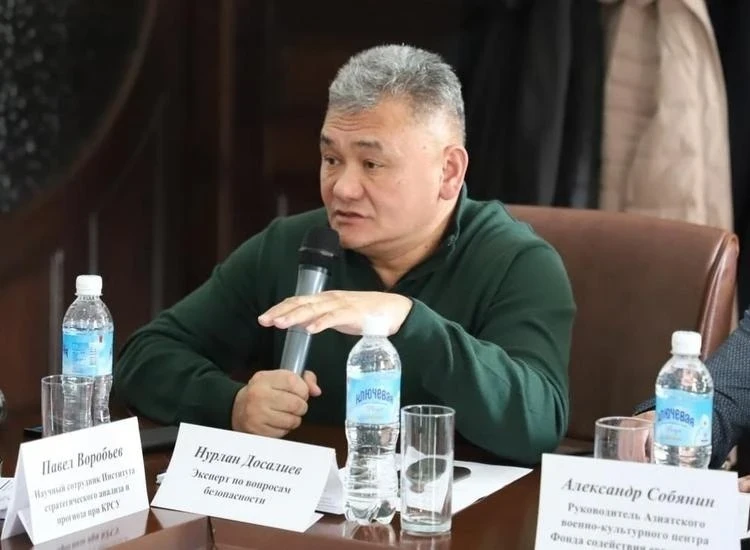
At the "Eurasia Kyrgyzstan" office, a discussion was held on the topic "CSTO in Central Asia: Security, Sovereignty, Regional Resilience." The event gathered leading analysts and experts, as well as representatives from academic and specialized organizations from Kyrgyzstan and Russia, including participants in a video conference format.
During the discussion, key aspects concerning collective security and the sovereignty of Central Asian states were examined. Participants also addressed issues related to increasing cyber threats and information risks.
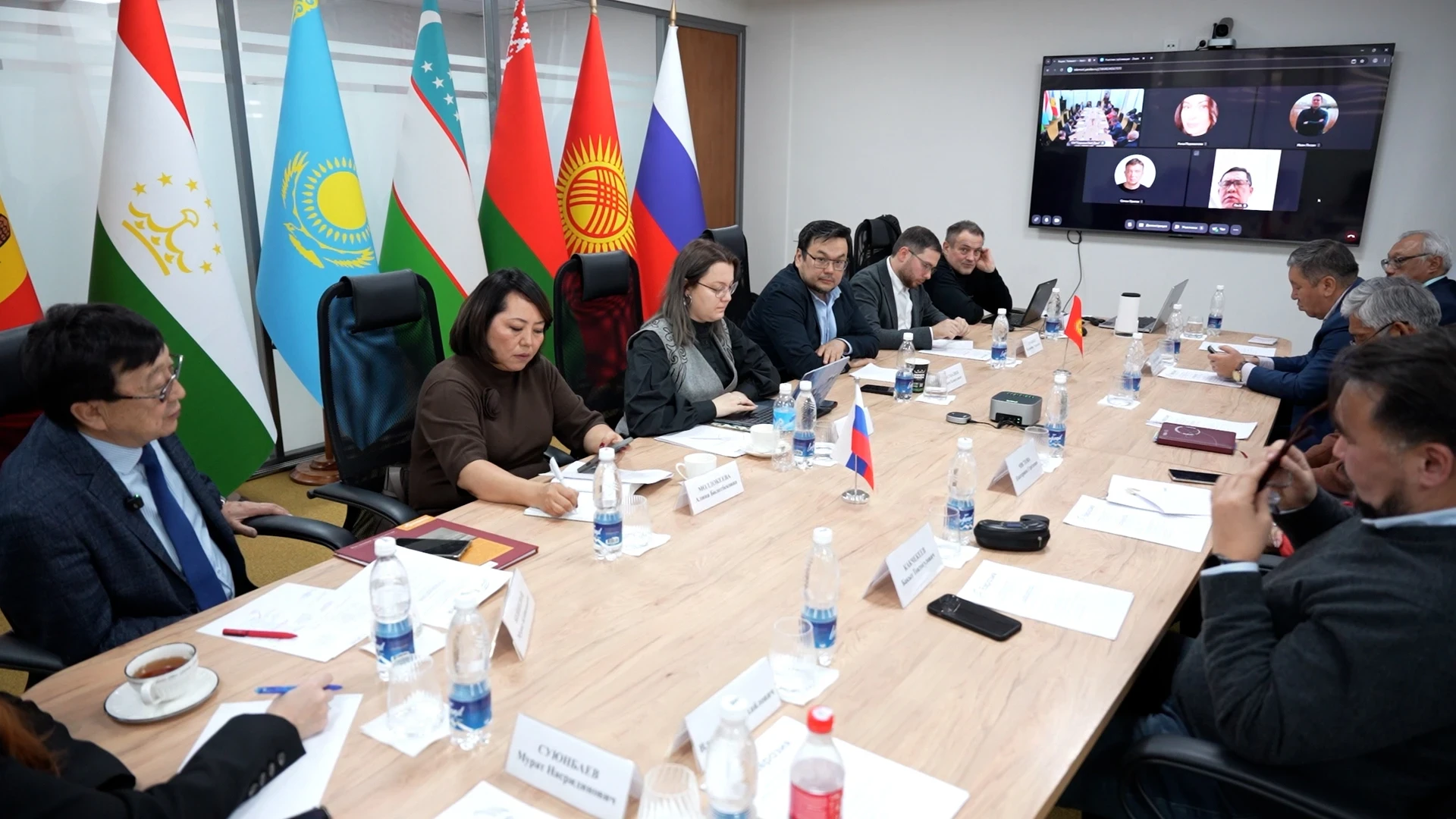
Experts emphasized the new challenges outlined in the CSTO agenda that are directly related to the interests of the countries in the region. In particular, transboundary threats were discussed, including instability in neighboring countries and the activation of extremist organizations. Participants concluded that these circumstances require a reassessment of response mechanisms and strengthening the collective security system.
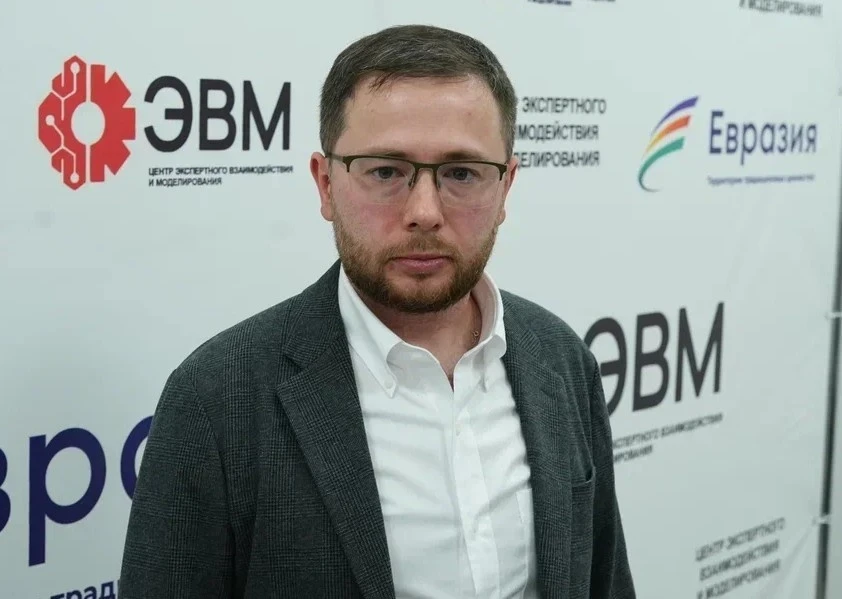
Semion Uralov, head of the Expert Interaction and Modeling Center of the "Eurasia" NGO, noted that security today encompasses scientific, technical, and humanitarian aspects that cover all areas of life. He emphasized that modern terrorist threats utilize a variety of technologies, from military to digital and information-psychological.
“The CSTO must transform into a closer defense alliance, as war is essentially already underway at the organization's borders — both in Europe and Asia,” he added.
Experts also discussed ways in which Central Asian states can maintain their strategic autonomy despite increasing pressure from external factors and geopolitical competition. Participants stressed the need to balance between the interests of major international players and maintaining independence in foreign policy. The possibilities of the CSTO in countering cyberattacks, information operations, and other forms of digital pressure were also discussed. Experts noted that it is necessary to create a comprehensive response system to cyber threats, including the development of monitoring centers, improving legislation, and expanding international cooperation.
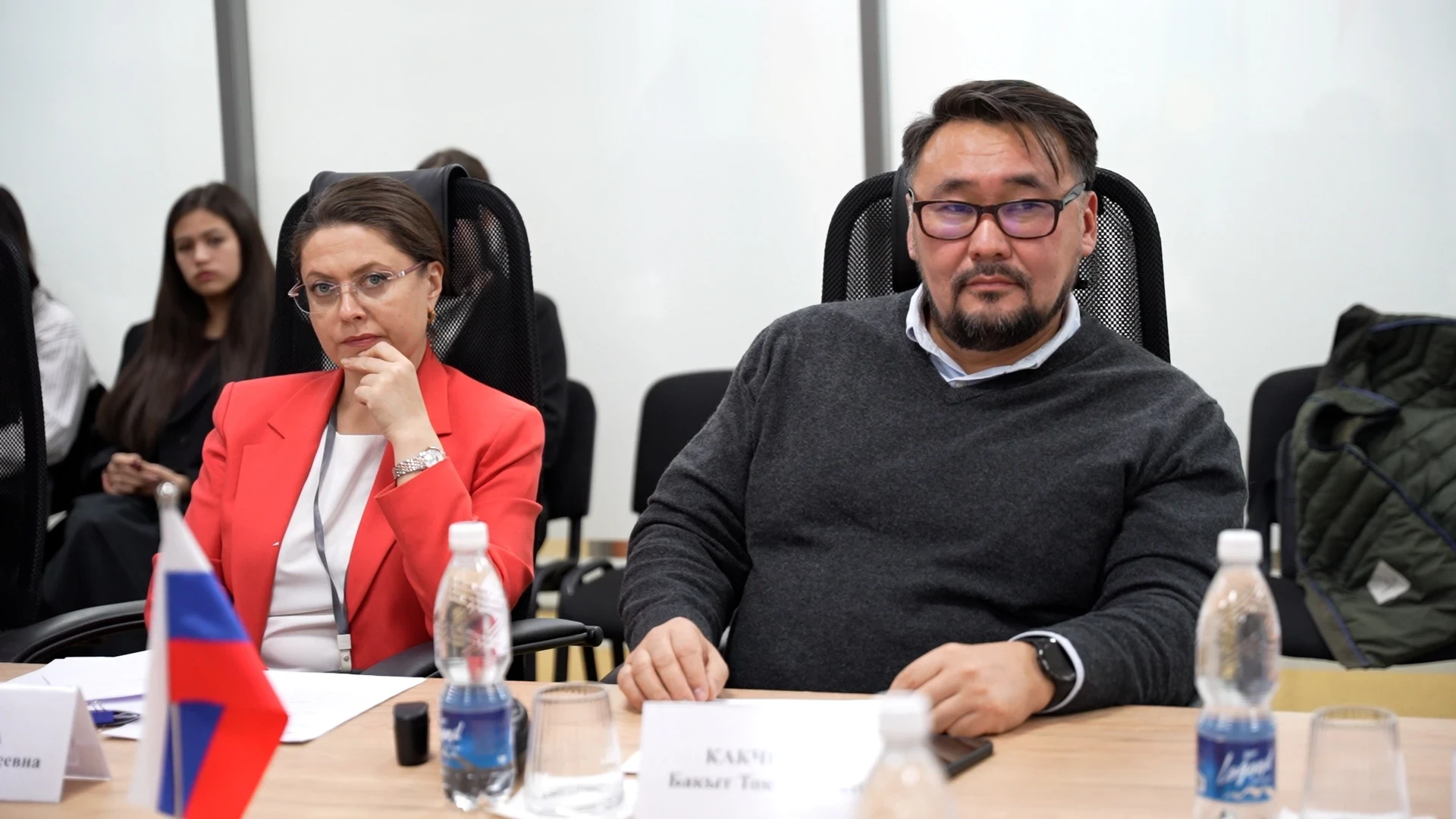
Within the framework of the discussion, strategies for digital sovereignty were also discussed, including the protection of critical infrastructure and the development of technological independence for countries in the region. Participants emphasized that enhancing cybersecurity is an integral part of the overall set of measures to ensure both national and regional sovereignty.
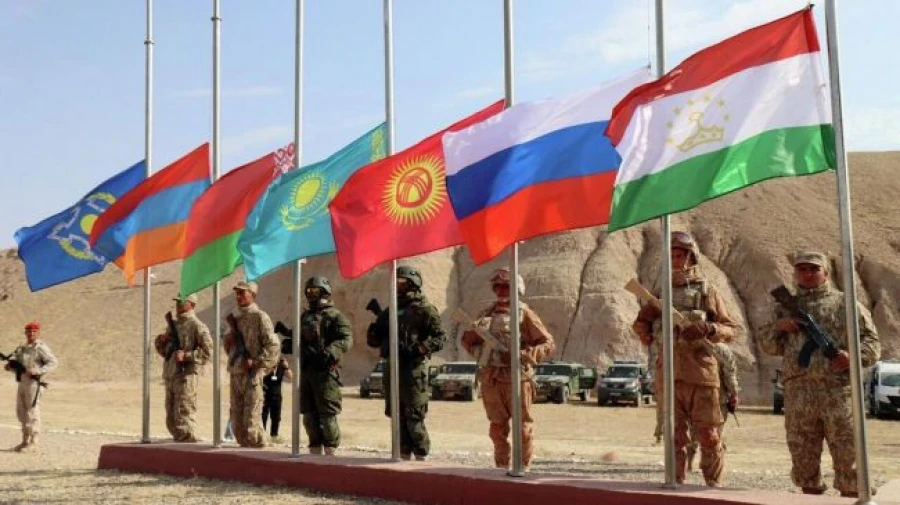
This event served as a platform for exchanging opinions and analyzing factors affecting the long-term resilience of the region, as well as for discussing improvements to collective security mechanisms within the CSTO. Participants thoroughly explored the role of the organization in conflict prevention, strengthening stability, and coordinating the efforts of member states in response to modern threats.
As a result of the discussion, a number of proposals were developed for enhancing analytical interaction, expanding expert platforms, and deepening the dialogue on security at regional and national levels.
About the organization:
The "Eurasia" NGO is an autonomous non-profit organization engaged in the development of international cooperation. It implements humanitarian projects funded by its own resources aimed at preserving traditional values and promoting interethnic communication. The organization supports important social initiatives and facilitates communication among people of different cultures, as well as develops projects in education, medicine, and youth exchange. One of its key areas is supporting schoolchildren, students, and young professionals. Among its projects are educational programs, exchanges, internships in major state companies, and a media school. In a year and a half of operation, "Eurasia" has united 100,000 participants from different countries, becoming a leading platform for humanitarian interaction in the Eurasian space.
Photo www