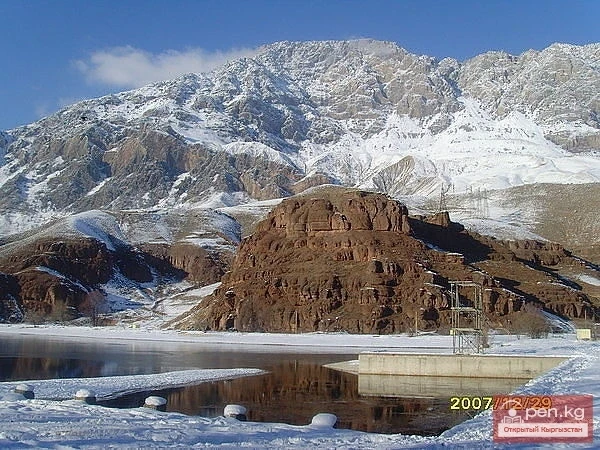
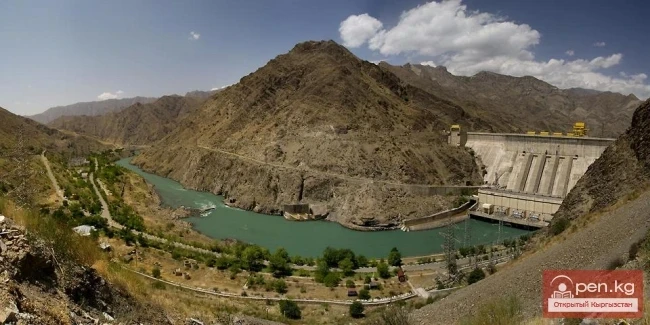
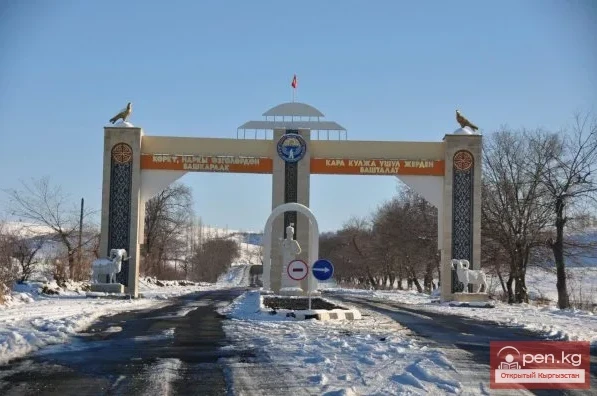
In an interview with a Turmush correspondent, Toktogulov explained that the modern Kara-Kul was once the site of the village of Jazy-Kechuu and two collective farms. "If we consider the history of this energy town's emergence, there were indeed two collective farms here before the construction of the hydroelectric power station. So why did a city named 'Kara-Köl' arise here? Nearby is the pasture of Kara-Kol, which has 7 lakes, giving this place its name. In winter, local residents spent time in wintering, and in summer they grazed cattle in the meadows, as the pasture is quite extensive. Here begins the river that flows into the city, which ultimately led to the formation of the settlement of Kara-Kul. Today, Jazy-Kechuu has become a village located just above the city. The first hydroelectric builders arrived in April 1962, and on June 16, a nationwide shock construction was announced, marking the beginning of Kara-Kul as an urban-type settlement. This day can be considered the founding day of the energy town.
This year, active construction began: tents were set up, and hydro builders temporarily lived in trailers. In 1977, the city's territory was expanded, and the corresponding infrastructure appeared. Since January 7, Kara-Kul has been a city of regional subordination. Previously known as Ak-Zhar, the area now called Poima was a different world back then. On what is now Serogo Street, a turbulent river, Kara-Suu, once flowed, where pioneers hunted wild ducks and even encountered wild boars. Over time, the riverbed changed, and houses began to be built on these lands. The seventh site, now known, was once called Shamalik and was famous for its three large poplars, while the area where the fire service is located was home to prosperous members of the Zhediger tribe," Toktogulov recounted.
Ak-shaar Street, located in another part of the city, has retained its name to this day. "Many believe that this name is related to white houses, but in fact, large white flowers grew there. The increase in population and constant grazing of livestock over time led to the disappearance of these flowers. The older generation of townspeople claimed that this unique species of flowers grew in this area," Toktogulov added.
He also shared his memories that for six months, newborns in Kara-Kul received birth certificates indicating their place of birth as 'Komsomolsk-on-Naryn.' "In 1962, about 80% of the city's residents were under 30 years old and came here on Komsomol vouchers. In those years, the largest events were organized by the VLKSM (All-Union Leninist Communist Youth Union), with congresses and conferences taking place. At one of the meetings, the Komsomol members stated: 'We, the youth, are building the future, creating a hydroelectric power station for future generations, so why doesn't the name of our place correspond to this mission?! Let's find the right name for our settlement.' At this meeting, the name 'Komsomolsk-on-Naryn' was unanimously supported—thus, the city received a new name.
Despite the influence of this organization, the new name was not officially approved by higher authorities. Nevertheless, local authorities began issuing birth certificates indicating 'Komsomolsk-on-Naryn.' Soon, local elders raised the question: 'How is this? Now we need to say a different name that is even difficult to pronounce.' They appealed to higher authorities, and it was ultimately decided to keep the historical name 'Kara-Kol.' The issued birth certificates remained as they were. At one of the gatherings of compatriots in 2020, one participant who had returned from abroad showed a birth certificate and smiled, noting that such a name no longer exists on the map," Toktogulov said.
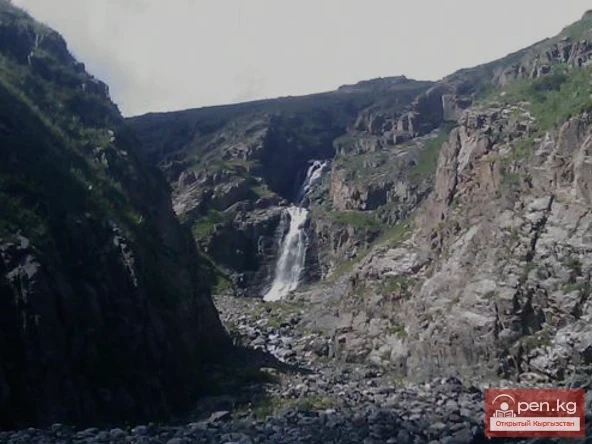
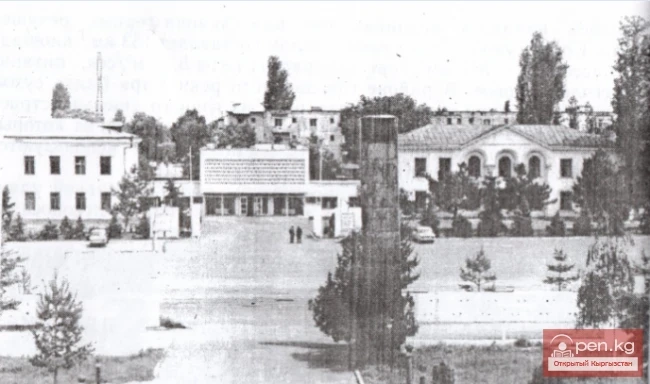
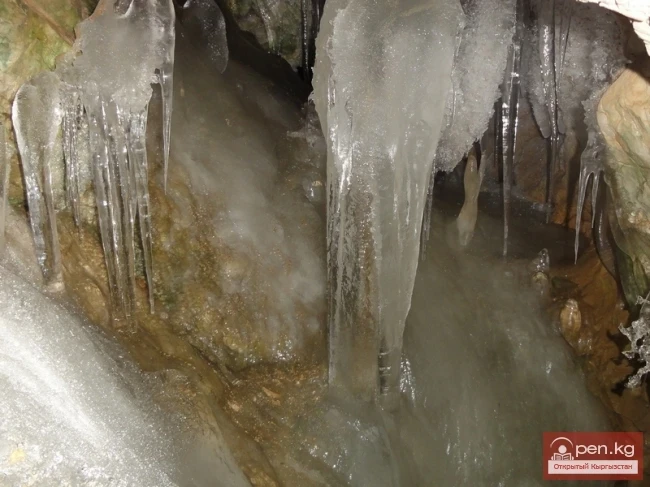
Gallery: The History of the City of Kara-Kul
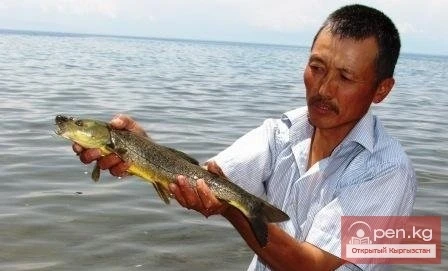
According to the museum curator, Russian-speaking residents of the city referred to the lakes on the Kara-Kul pasture as "dead lakes." "Perhaps this name is not accidental. To increase the fish population in these bodies of water, fry were even released, but the next day they all floated up dead," he explained.
Today, more than 26,000 people live in Kara-Kul. The city is managed by Mayor [Orozbaev N.O.], and the city council has 31 deputies. The city is home to strategically important facilities such as the Toktogul and Kurpsai hydroelectric power stations, which provide about 80% of the electricity for the republic.