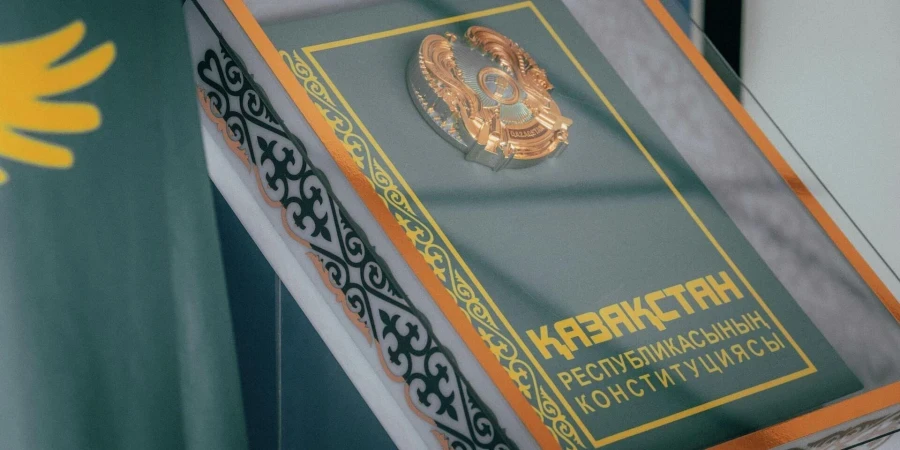
Analysis of the second draft of the Constitution of Kazakhstan by an expert
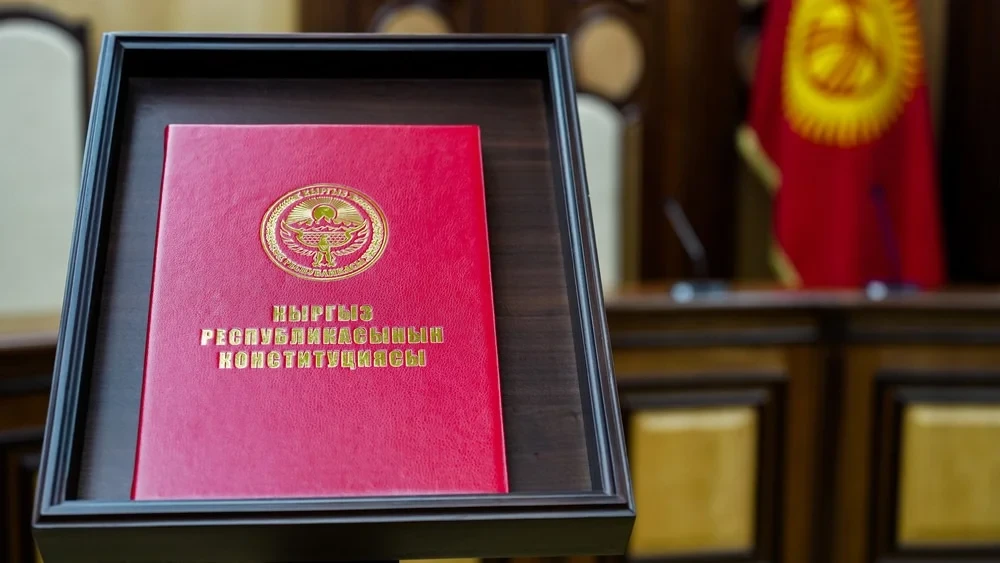
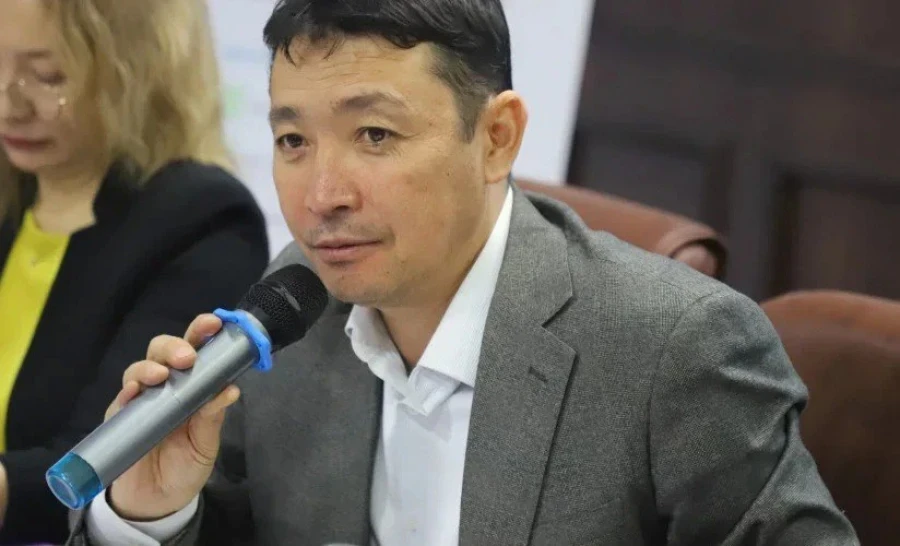
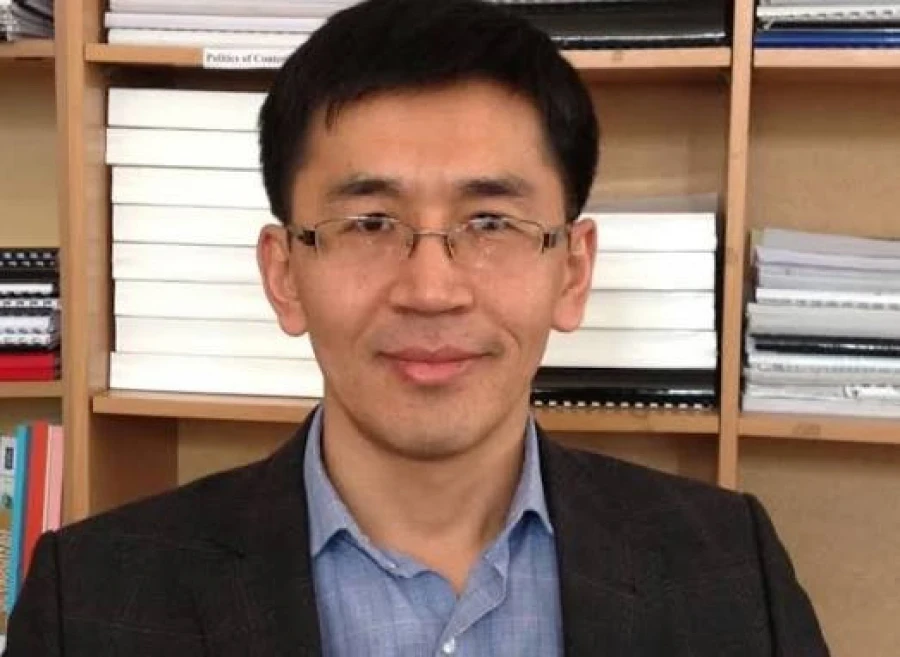
Marat Kogamov, a professor and doctor of legal sciences, as well as an honorary lawyer of the Republic of Kazakhstan, shared his comments on the second draft of the new Constitution, which awaits approval in a referendum.
“The final version of the second draft of the new Constitution has been presented on the official resources of Kazakhstan. If the people support it in the Republican referendum, the day of its adoption will be declared a national holiday, and the Constitution itself will come into force on July 1, 2026,” he noted.
This law, reflecting the nomadic traditions and aspirations of the people, is a clearly formulated and coherent document that, as Kogamov emphasized, is based on historical examples: from Genghis Khan's Great Yassa to the steppe constitutions of Kasym Khan, Yesim Khan, and Tauke Khan. He also mentioned that the constitutions of 1978, 1993, and the current Constitution of 1995 provided protection for the norms of the state structure of Kazakhstan during different historical periods.
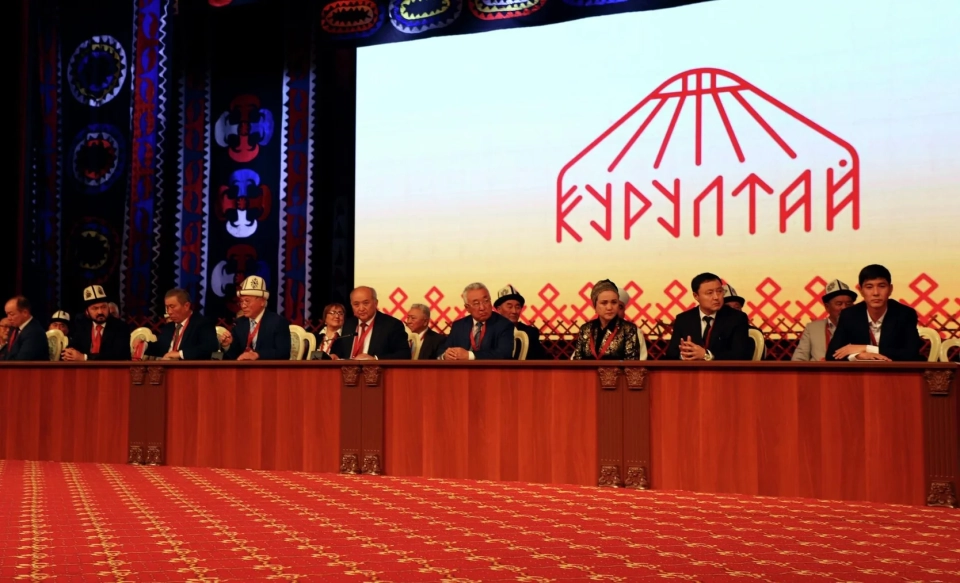
Public opinion research showed that the majority of citizens positively perceived the political decision of the president regarding the need for changes to the current Constitution, voiced at the last Kurultai in Kyzylorda, which effectively led to the development of a new version of this fundamental legal act.
Kogamov noted that the Constitution of 1995 fulfilled its historical role, revealing both the strengths and weaknesses of the state structure. Over its existence, it has undergone amendments corresponding to changing conditions. However, now, in the context of the country's future, bold steps must be taken to protect legal sovereignty and ensure the future of the nation.
The emergence of the new draft Constitution has sparked active discussions in society, confirming its progressive norms, many of which were the subject of discussion at meetings of the working group and the Constitutional Commission established at the initiative of the president.
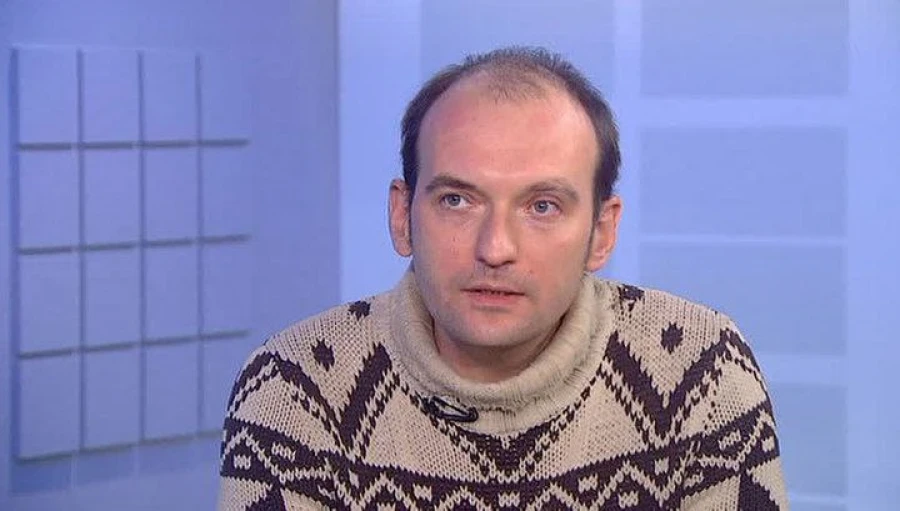
Although every opinion is important, Kogamov expressed doubt about the conclusions of human rights activist Yevgeny Zhovtis, who recently published an article on the BBC News website criticizing the new draft of the Constitution.
First, since 2019, the president has been actively implementing the idea of a Just State, which is expressed in six key principles of domestic policy, among which are “Strong President — Influential Parliament — Accountable Government.” This implies that the draft of the new Constitution provides for classic forms of interaction between the president and the three branches of government, which should prevent abuses.
Thus, the appointments of senior officials between the president and the Kurultai have become more transparent. The president works directly with them, while the Kurultai oversees the appointments, reflecting the interests of the legislative authority.
The Constitution also retains the institution of immunity for high-ranking officials but provides opportunities for the deprivation of this immunity in accordance with criminal justice, which is already enshrined in current legal norms.
In Kogamov's opinion, the thesis about the “super-presidential” nature of the new state regime proposed by Zhovtis has no basis.
Secondly, Kogamov emphasized that Kazakhstan remains a full-fledged participant in international law in the field of human rights protection. This is confirmed by numerous forms, and this should not be questioned.
The topic of international treaties and respect for international law norms occupies an important place in the draft of the new Constitution. This concerns Kazakhstan's ratified international obligations, which emphasize the country's readiness to comply with international norms.
It is important that the procedure for the implementation of international treaties on the territory of Kazakhstan is regulated by national laws, which is necessary for the correct application of international law norms.
Kogamov also refuted Zhovtis's opinion that the wording of Article 23 of the draft could threaten freedom of speech and pressure on the media. In his opinion, there are no problems with this freedom in Kazakhstan, and there is even an excess of opinions.
Moreover, Kogamov reminded of Article 19 of the International Covenant on Civil and Political Rights, according to which the exercise of rights related to freedom of expression entails certain duties and responsibilities.
Thirdly, the creation of a unicameral legislative body — the Kurultai — reflects the historical traditions of the nomadic civilization and the norms of Kazakh customary law. All laws must be adopted in a single authority, which excludes excessive procedures.
The idea of creating an influential parliament has been actively discussed in society and officially legalized, which, according to Kogamov, is confirmed by his participation in scientific discussions on this issue in 2025.
Fourthly, Kogamov emphasized that the economy, law, and politics are the three most important elements forming the foundation of the Constitution. Issues of economic policy and budget control are relevant for any legislative body, and Kazakhstan is no exception. Therefore, the draft of the new Constitution includes mandatory rules for the Kurultai regarding the adoption of economic laws and their implementation by the government.
The Kurultai will be able to enact laws concerning the budget, state loans, and aid, as well as to hear reports from the government, which indicates the interconnection of the powers of the Kurultai and the responsibilities of the government.
Thus, the legal subjectivity of the Kurultai in the draft of the new Constitution confirms its role as an “Influential Parliament” in relation to an “Accountable Government.” The reduction of this role, as Zhovtis claims, does not correspond to the legal norms of the draft.
Kogamov concluded that the discussion of the norms of the new Constitution should be based on a deep understanding of the historical context and the development of national statehood, especially in the context of global changes occurring both before and after the collapse of the USSR.
photo www