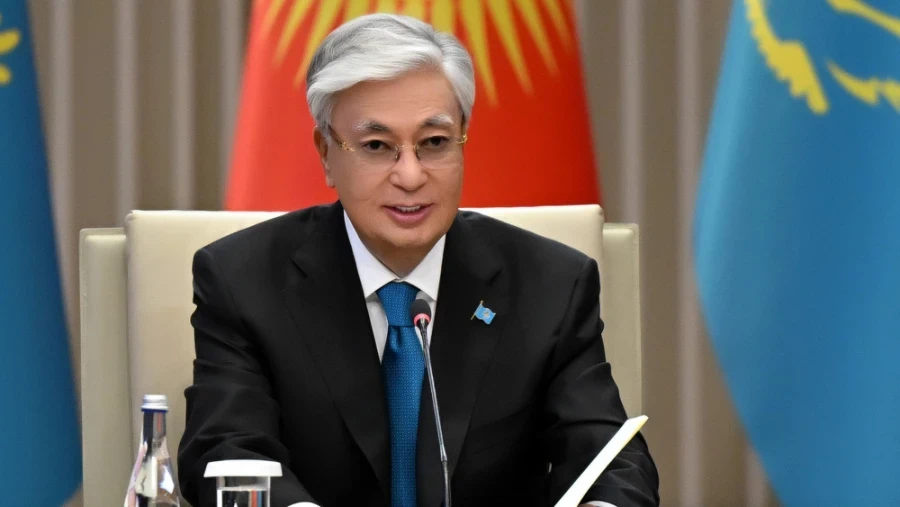
How President Tokayev is Completing the Architecture of a Just State
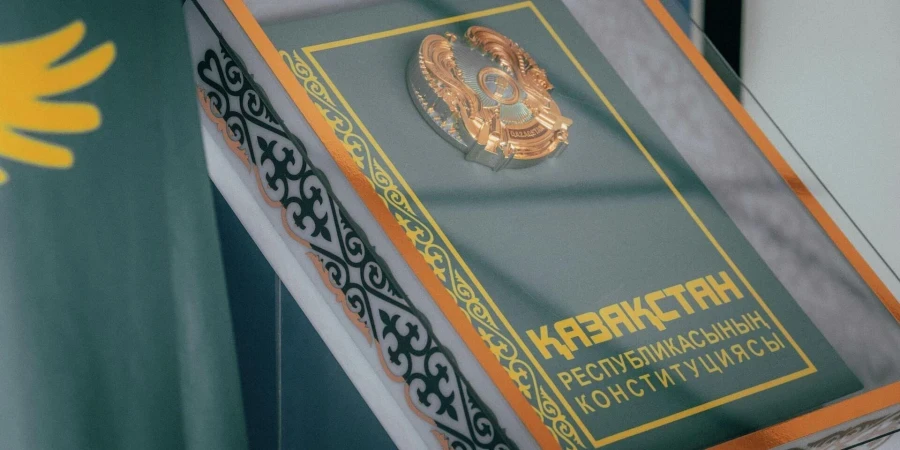
The referendum scheduled for March 15, 2026, represents not just another set of amendments, but a serious overhaul of the entire state system and value foundation of Kazakhstan. Initiated by President Kassym-Jomart Tokayev, the reform symbolizes the end of the super-presidential era.
These changes aim to create a balanced system that focuses on sustainable political institutions rather than the power of a single individual. The proposed reforms target a more effective distribution of powers among branches of government and the strengthening of a system of checks and balances. This step demonstrates the strategic approach of Kazakhstan's leadership, striving for long-term stability and progress. The transition to a new constitutional model completes the process of significant institutional transformation initiated by the current president, Tokayev.
Abandoning the Super-Presidential Model as a Conscious Choice of Tokayev
In political practice, it is quite rare for a head of state, possessing full power, to initiate the decentralization of authority. The 2026 reform in Kazakhstan becomes such an exception. It is not merely an update of the text of the constitution, but a conceptual step towards abandoning super-presidential governance. The country is transitioning to a presidential republic with a strong parliament, marking the end of the transformation of the state structure.
The process initiated by Tokayev includes the redistribution of powers among various branches of government. The goal of the reform is to create a system of checks and balances that ensures Kazakhstan's stability for decades to come, thereby making state institutions independent of any specific leader. The core idea of the new model is a combination of a strong president who guarantees the course and an influential parliament accountable to the people.
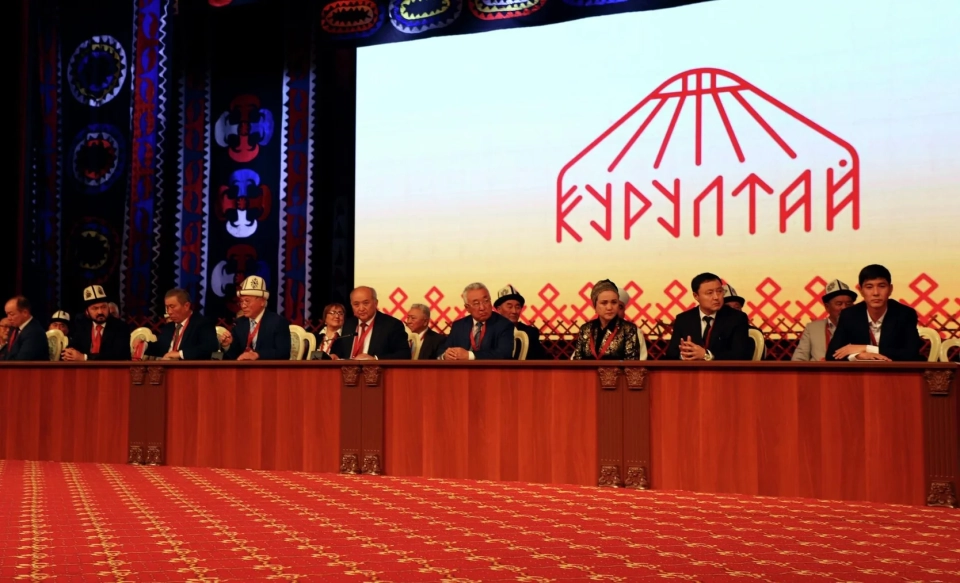
A key element of the reform will be the establishment of a unicameral parliament—the National Kurultai. Unlike previous structures, this body will be endowed with real powers to influence the executive branch. One of the important innovations will be the Kurultai's right to express a vote of no confidence in the government. Deputies will also be able to initiate the dismissal of any minister if they fail to fulfill their duties. If two-thirds of the votes support this decision, the president will be obliged to execute it.
The redistribution of power also affects personnel appointments. Now, the Kurultai's consent is required not only for the appointment of the prime minister but also for the approval of the vice president, judges of the Constitutional Court, as well as the members of the Central Election Commission and the Supreme Audit Chamber. The president no longer acts alone and is obliged to consult with party factions, making the process of forming power more open and inclusive.
In the new system, special attention is paid to continuity and stability. The introduction of the vice presidency and the clear establishment of the order of power transfer (vice president, then chairman of the Kurultai, then prime minister) eliminates legal loopholes and reduces the risks of political instability. Thus, Kassym-Jomart Tokayev is creating a legal framework in which the interests of the nation and the stability of institutions prevail over personal ambitions, transforming Kazakhstan into a modern rule-of-law state with functioning democratic mechanisms.
The Kurultai as a New Center of Responsibility and Public Oversight
The establishment of the National Kurultai as the sole legislative chamber signifies a qualitative shift towards a more dynamic and accountable model of governance. The abolition of the bicameral system removes bureaucratic barriers and tedious approvals between the Mazhilis and the Senate. Now, the parliament will become a compact and functional body of 145 deputies, capable of responding quickly to societal demands and contemporary challenges.
However, the main significance of the reform lies not only in accelerating the adoption of laws but also in expanding oversight functions. The Kurultai ceases to be merely a formal approver of executive initiatives and becomes a real center of political responsibility. Deputies gain the right to initiate the dismissal of any minister in case of legal violations or inefficiency. If two-thirds of the parliament support the dismissal of a government member, this decision becomes mandatory for execution, effectively placing ministers in dependence on their performance before elected representatives.
Moreover, the legislative power gains new economic levers. The approval of budget reports from the government and the Supreme Audit Chamber becomes not a formal procedure but a serious examination. If the budget execution report is not approved, this automatically leads to a vote of no confidence in the entire cabinet of ministers. Such a connection between financial control and political responsibility ensures that the government will act more pragmatically and transparently.
The strengthening of the Kurultai's role is also related to its personnel powers. The parliament now participates in the formation of independent institutions such as the Constitutional Court and the Central Election Commission, which were previously under presidential control. Thus, through the Kurultai, the principle of popular sovereignty is implemented: the government is accountable not only to the president but also directly to the representatives of the people, making the governance system more stable, fair, and protected from errors.
The Development of Multi-Party System as a Strengthening of Democracy
The third aspect of the constitutional reform emphasizes the renewal of representative democracy through the development of a multi-party system. The transition to a fully proportional electoral system will be a powerful impetus for strengthening political parties. Now, parties will not just be electoral mechanisms but will transform into permanent structures responsible for shaping state policy and representing the interests of various social groups.
The proportional voting system by party lists will ensure adequate representation of the entire political spectrum in the Kurultai. This will create conditions for fair competition of ideas and programs, where the success of a party will depend on its ability to offer viable strategies to society. Such an approach will encourage political organizations to improve the quality of internal work, attract professionals, and develop long-term relationships with voters, as party accountability will become a key factor for their survival.
The institutionalization of political pluralism through constitutional norms will make multi-party system the foundation of the state structure. The strengthening of party factions in the Kurultai and their participation in consultations during the appointment of key officials, including the prime minister, will make the political process more inclusive. Diverse opinions will receive legal platforms, minimizing the risks of power monopolization and promoting the adoption of more balanced decisions.
Guarantees of Stability and Transparent Power Transfer
Ensuring political stability during leadership changes is critically important for any developing state. The 2026 reform offers a systematic solution to this issue by introducing the institution of the vice presidency and a clear algorithm for power transfer. This creates a "safety corridor," minimizing the risks of a power vacuum or political instability in crisis situations.
The vice presidency becomes a key element of the new structure. It is appointed by the president with the mandatory consent of the Kurultai and is not merely a ceremonial figure but represents a political reserve. In the event of the president's premature departure or inability to perform duties, powers are transferred to the vice president, who becomes the acting head of state. Importantly, the new Constitution establishes strict deadlines for holding extraordinary elections within two months, preventing prolonged periods of interim governance and ensuring rapid democratic legitimization of the new leader.
A clear hierarchy of succession—vice president, then chairman of the Kurultai, then prime minister—excludes the possibility of backroom disputes over leadership. This provides all participants in the political process, as well as international investors and partners, with a clear understanding of how the state machinery operates in crisis situations. Such predictability fosters trust in state institutions and maintains the country's investment attractiveness.
The institutionalization of the power transfer process eliminates the possibility of unconstitutional power grabs. Kassym-Jomart Tokayev is implementing a mechanism that shifts the issue of succession into the realm of clearly functioning legal norms. This is a significant contribution to Kazakhstan's long-term stability, creating a mature political system protected from external and internal shocks.
Completing the Architecture of a "Just Kazakhstan"
The referendum on March 15, 2026, will not just be a political event but the final chord in a large-scale transformation of the state structure. Kazakhstan is concluding a period of institutional uncertainty and transitioning to the architecture of a Just Kazakhstan. While the previous system largely relied on personal authority, Tokayev's new constitutional model shifts the focus to sustainable institutions and the rule of law.
At the core of the new reality, which experts call the Third Republic, lies the principle of recognizing the people as the sole source of power. This is not just a declaration but a foundation for creating professional and accountable structures to society. The draft of the new Constitution effectively enshrines a new type of social contract, where the state commits to serving the interests of citizens through transparent control mechanisms.
The shift in development priorities is also an important element in completing the new architecture. The state officially announces a strategic transition from resource dependence to an emphasis on human capital. Education, science, and innovation become central constitutional priorities that define the country's direction for decades to come. Thus, institutional transformation is complemented by value modernization, turning Kazakhstan into a modern rule-of-law state.
The adoption of the new Constitution signifies the final establishment of a mature political system capable of effectively responding to global challenges. The completion of the transformation of institutional foundations creates the necessary legal conditions for long-term stability. This is a logical outcome of Kassym-Jomart Tokayev's course towards creating a state where justice, legality, and order become not just slogans but real practices of all branches of power.
Photo www