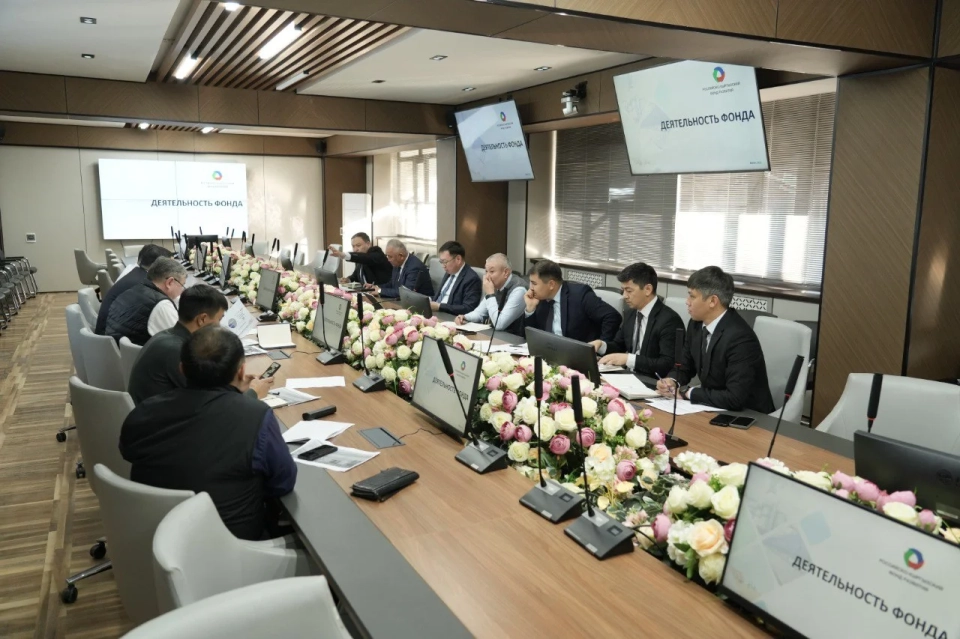
In 2025, the Russian-Kyrgyz Development Fund (RKFR) demonstrated outstanding results in its investment activities. The total amount of financing provided by the fund since its inception exceeded 1 billion US dollars, highlighting its significant role in the economic development of Kyrgyzstan, according to information from the fund's press service.
This year, RKFR significantly exceeded its planned indicators, increasing the volume of investments in the country's economy by more than 30% — nearly 225 million dollars. The fund approved 173 new projects totaling over 360 million dollars, of which 36 projects have already begun practical implementation, and 20 new enterprises supported by the fund have been put into operation.
The investment activities of RKFR focused on five key areas defined by state priorities: the development of "green" energy, reindustrialization, the creation of a regional logistics hub, support for the agro-industrial complex, and the development of social infrastructure.
The total volume of the fund's investments in energy amounted to over 180 million dollars. Its portfolio includes 16 projects in the field of "green" energy, among which are the Kulanak Hydroelectric Power Station in the Naryn region and the Bala-Saruu Hydroelectric Power Station in the Talas region. Over 23 million dollars were allocated for the development of logistics infrastructure in 2025, with the key project being the launch of the "Kokcho-Koz" transport and logistics center in the south of the country.
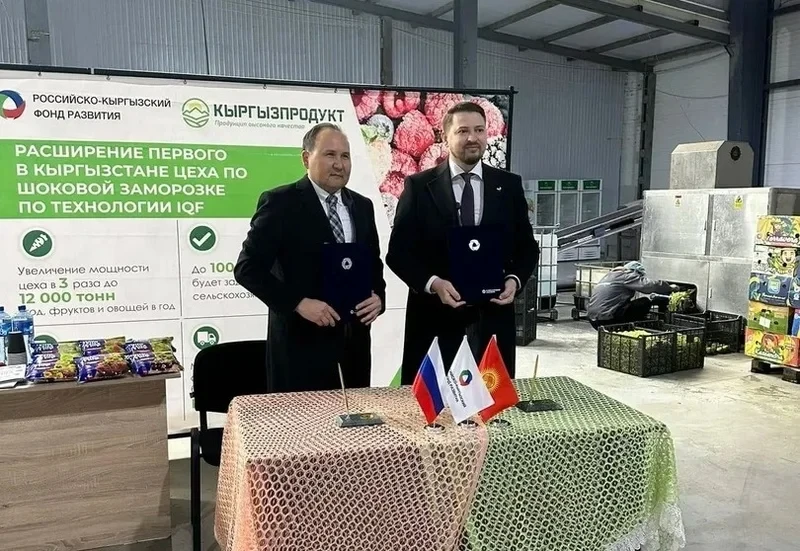
Throughout its entire activity, the fund has invested over 200 million dollars in the agro-industrial sector, supporting about 2000 projects. This has allowed for the provision of nearly 100% of the domestic demand for sugar, as well as significantly strengthening the country's positions in the production of chicken eggs, dairy products, and other essential goods. Nearly 65 million dollars were directed to the fields of education and healthcare.
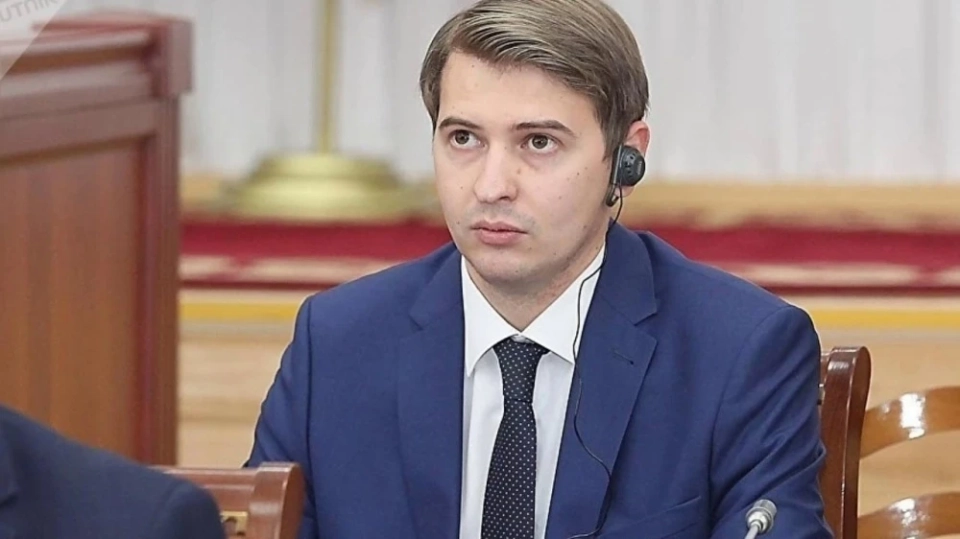
Artyom Novikov, Chairman of the Board of RKFR, noted that the fund continues to expand its support tools, including the development of leasing programs, the creation of mutual investment funds, and financing startups and venture projects. The upcoming plans include supporting initiatives in the production of pharmaceuticals, industry, and logistics infrastructure.