The country demonstrates leadership in GDP and industrial growth
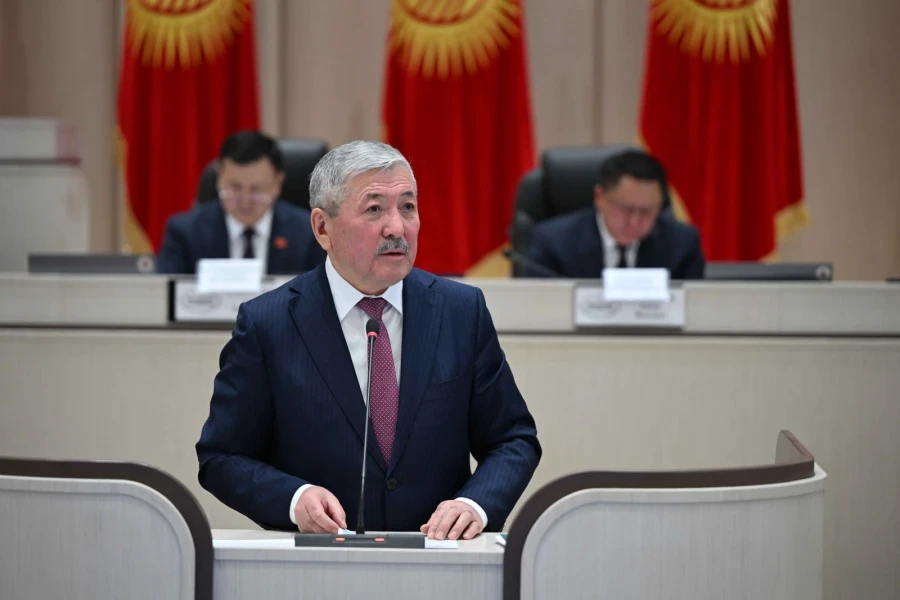
Daniyar Imanaliev, Minister of the Eurasian Economic Commission, emphasized that over the past ten years of Kyrgyzstan's membership in the EAEU, the republic has demonstrated impressive economic achievements, becoming a leader among the union countries in terms of GDP and industrial production growth rates. He shared this information in an interview with "Sputnik Kyrgyzstan".
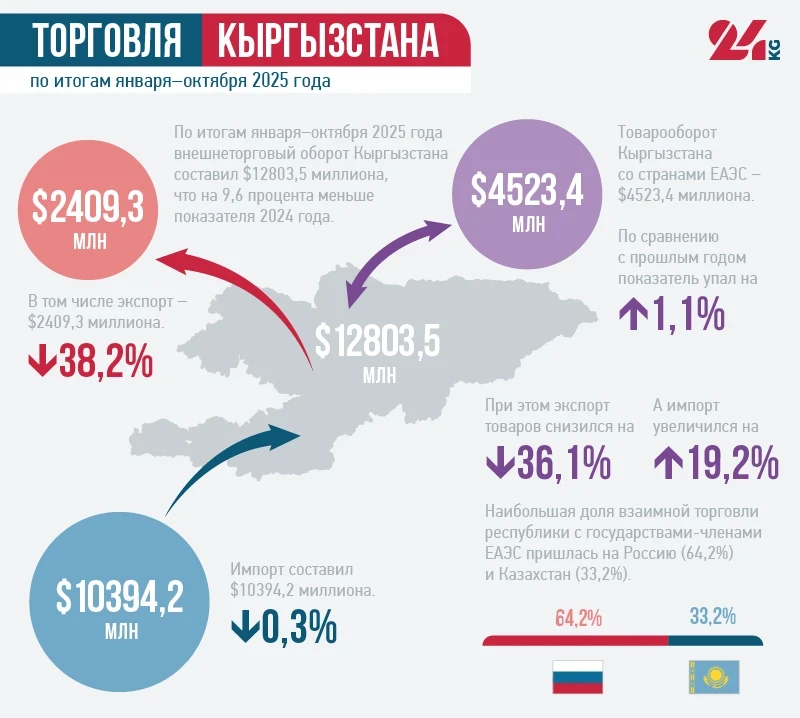
The discussion focused on the anniversary of Kyrgyzstan's accession to the union. Imanaliev provided data indicating that the volume of mutual trade with EAEU countries increased from 200 billion rubles in 2015 to 440 billion rubles at present.
As of the end of nine months in 2025, Kyrgyzstan's GDP grew by 10%, the highest rate among EAEU countries. Industrial production increased by nearly 10% (while the average growth across the EAEU was only 1.3%), investments in fixed capital rose by 19%, and retail trade volume increased by 24%. Exports of goods to the union countries quadrupled: from 32.8 billion rubles to 136 billion rubles. Approximately 78% of textiles and up to 60% of food products from Kyrgyzstan are directed to EAEU markets.
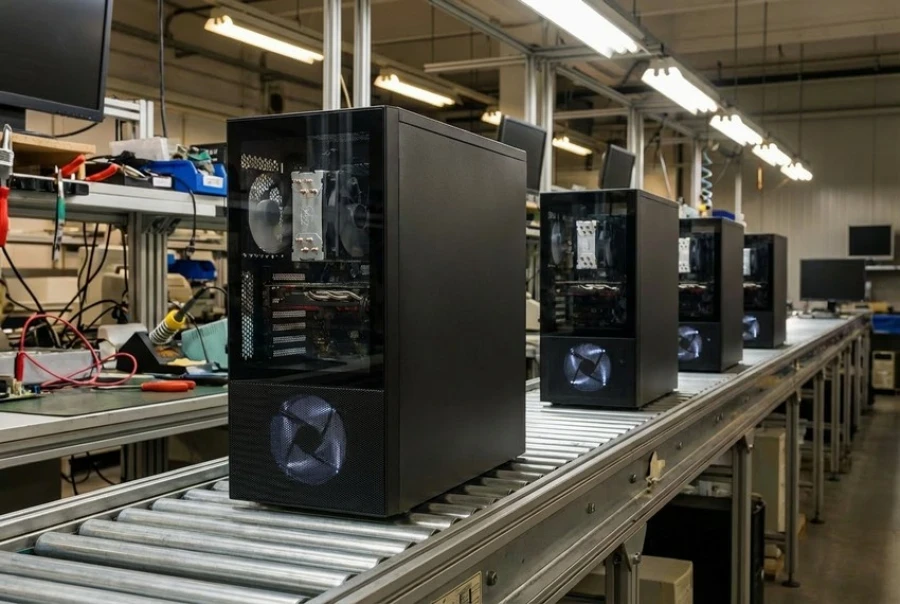
The minister cited the success of frozen fish exports as an example, which increased from 560 thousand rubles in 2015 to 784 million rubles now. Additionally, the republic has begun supplying new categories of products to the union, including ceramic tiles, computing equipment, and air conditioners.
Imanaliev noted that the integration measures implemented from 2021 to 2024 provided a total economic effect for EAEU countries of approximately 3.44 trillion rubles. He emphasized that producers gained access to a single market with 188 million consumers, and the joint efforts of governments allowed for a quick response to economic challenges, such as rising inflation, by reducing or eliminating tariffs on key goods. The minister also spoke about the expansion of external economic ties of the EAEU, including the preparation of free trade agreements with Indonesia, Mongolia, and the United Arab Emirates, as well as cooperation with observers — Uzbekistan, Cuba, and Iran.
Photo www