According to a study conducted by Reuters, China has become a central point for the import of foreign brand cars into Russia, which officially ceased sales in the country after 2022. Based on registration data and conversations with participants in the automotive market, it was found that tens of thousands of cars are entering Russia in violation of Western sanctions and obligations of automakers.
One of the main ways to circumvent restrictions is the scheme involving "used" cars that have zero mileage. Dealers in China register new cars as sold, after which they are reclassified as used and exported to Russia. This allows intermediaries to avoid the need to obtain permission from the headquarters of car companies. According to Reuters, by 2025, nearly 50% of the 130,000 sanctioned cars sold in Russia (such as Toyota, Mazda, Mercedes, and BMW) were produced in Chinese factories or imported through Chinese intermediaries.
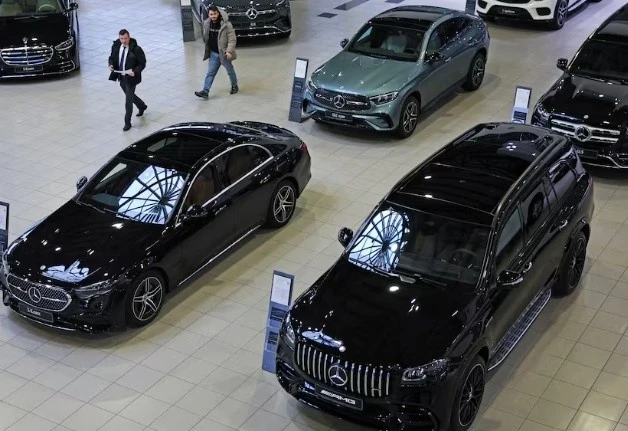
Statistics show that last year, Russians purchased about 30,000 Toyota cars, of which 24,000 were assembled in China. A similar situation is observed with German luxury brands: more than 20,000 out of 47,000 registered cars in Russia from brands like BMW, Mercedes, and Volkswagen Group also had Chinese origins. Even models that are exclusively produced in Europe, such as the Mercedes G-Class, are often delivered to Moscow through Chinese trade networks.
Despite global automakers like Mercedes-Benz and BMW claiming strict control and a ban on supplies to Russia, they acknowledge the difficulty of combating unofficial exports. Experts point out that due to the oversaturation of the Chinese market, local dealers are interested in selling excess inventory through intermediaries. Meanwhile, authorities in the EU, the US, and Japan continue investigations, trying to close loopholes, but have not yet succeeded in completely stopping the flow of "gray" imports through third countries.