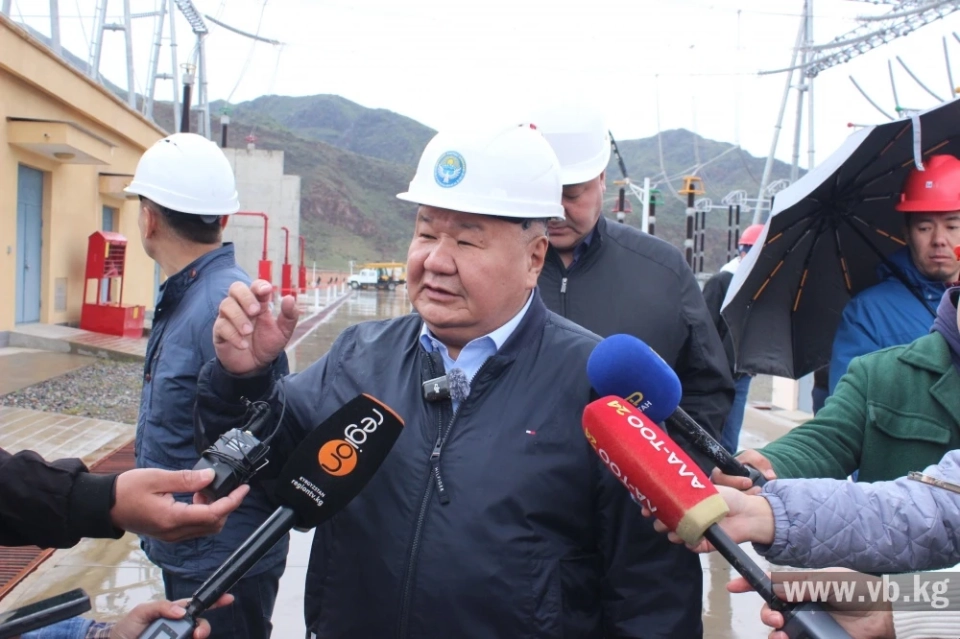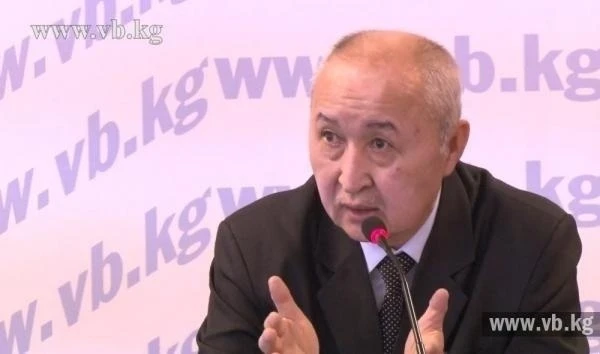
According to Tashirov, today banks cover only 3-4% of the needs of the agri-sector and farmers. "This is a well-known fact, but nothing changes. This is a dead-end path," he stated.
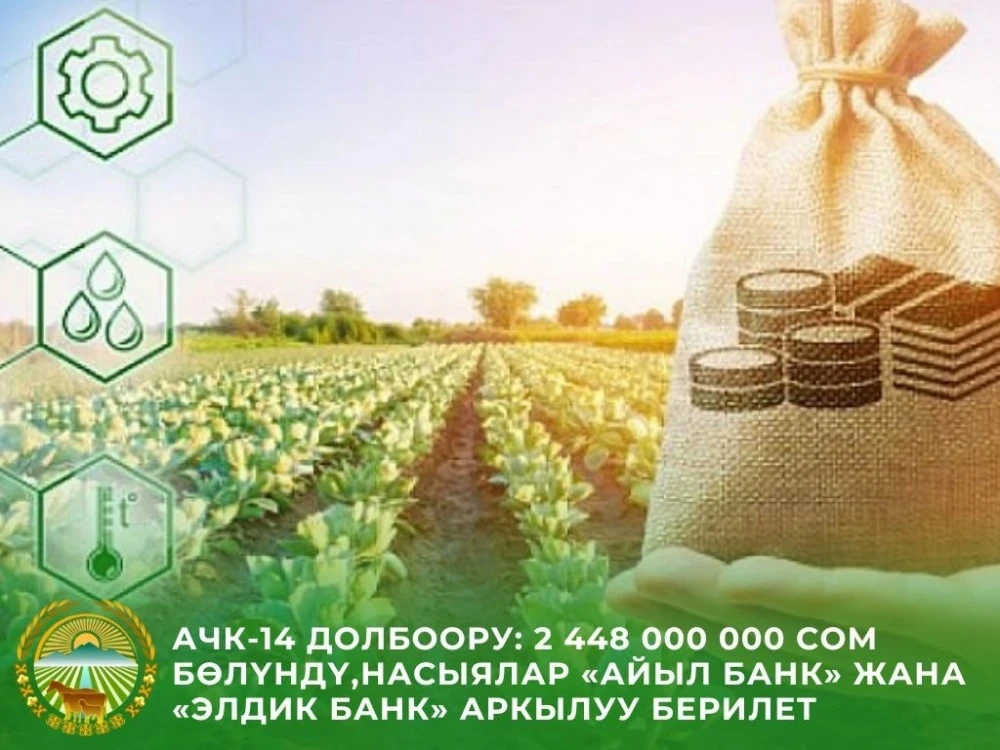
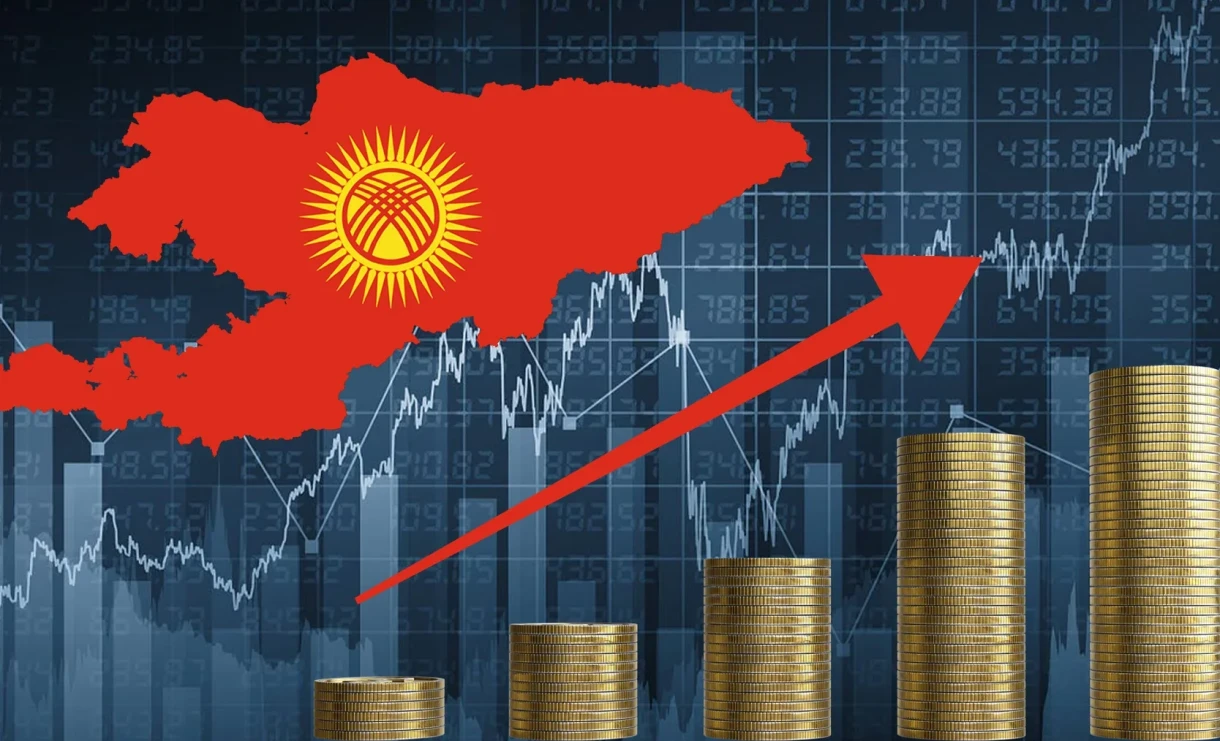
The expert believes that without a fundamental revision of credit policy, it is impossible to achieve independence in the food market. He emphasizes that the agri-sector needs subsidies and loans amounting to 30-40 billion soms per year, while currently only 3-4 billion soms are allocated. Only such investments can make agriculture the engine of the economy.
Tashirov highlights that this is not just about supporting individual farms, but about the necessity of a strategic change in financial policy in favor of rural areas. In Kyrgyzstan, a significant part of the population lives and works in the agricultural sector, and this is not just a periphery, but the foundation of the economy.
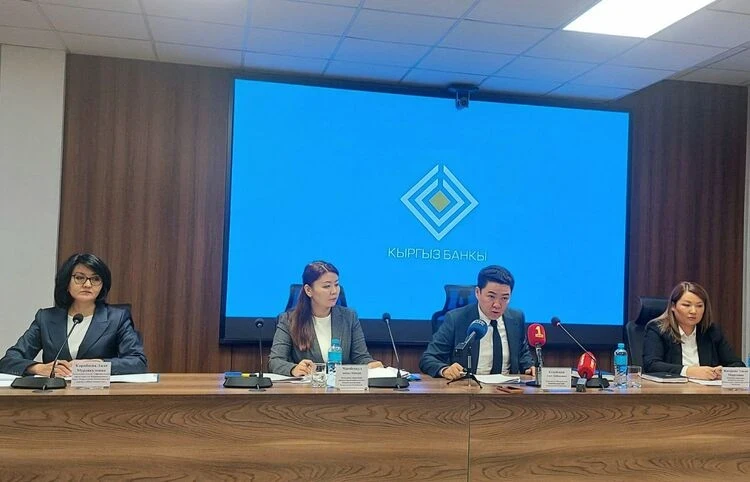
Tashirov's criticism also touched upon the banking sector, which, in his opinion, has become a closed club: every year the same borrowers, possessing ready collateral, receive loans. As a result, many small and medium-sized farms remain without financial support, new processing projects are not implemented, and the needs of most agricultural producers are ignored.
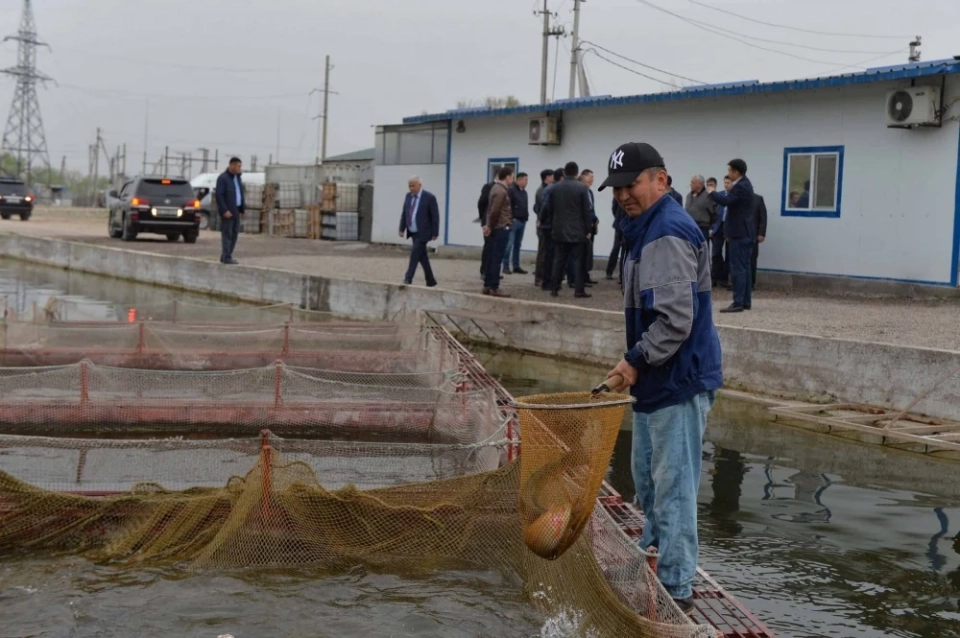
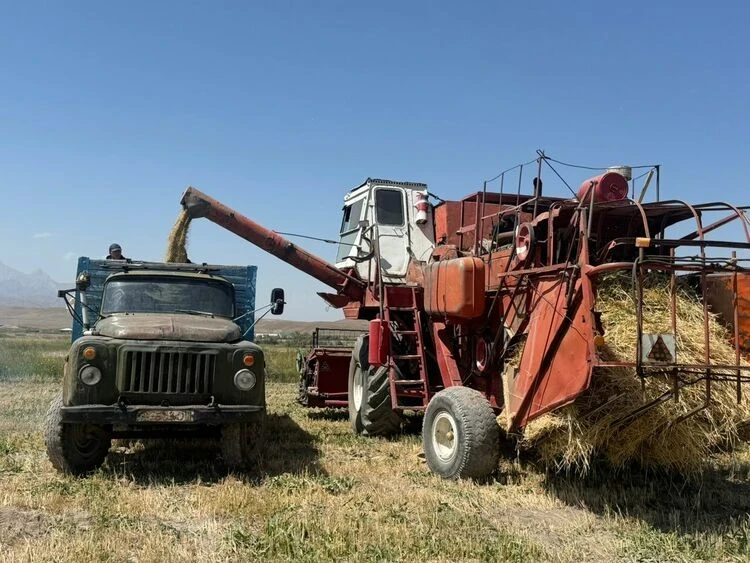
The difficulties are exacerbated by the fact that the country has transitioned from 600 Soviet collective farms to millions of fragmented owners. The formal development of the private sector has led to high fragmentation and low capitalization. As a result, production bases in the regions have fallen into decline, and cooperative ties have been destroyed. Tashirov believes that without significant investments, it is impossible to restore processing and implement modern technologies.
Nevertheless, Kyrgyzstan has potential. With sufficient financing, the republic can independently meet the needs in eight key areas of food security—from crop production to deep processing. The state needs to go beyond targeted assistance and develop a strategy for significantly increasing lending, create special programs for small farms, and actively promote cooperation.
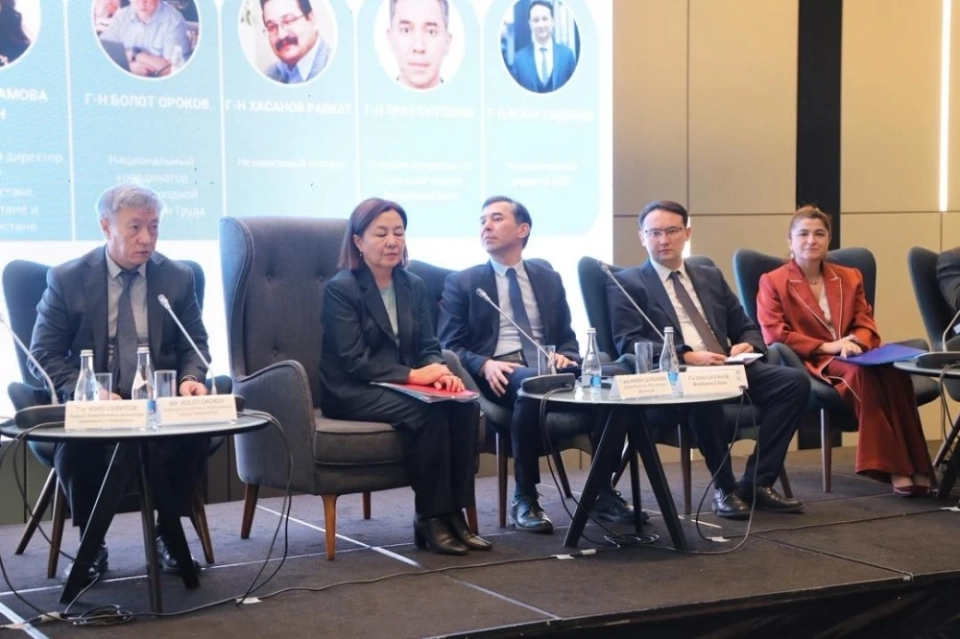
The "Agrodialog–2026" forum should become a platform for recognizing that agriculture requires not cosmetic, but large-scale development strategies. This choice needs to be made now, considering the more prompt decisions of neighbors. Whether the state decides to make a financial leap towards rural areas will determine whether the agricultural sector becomes a stable foundation for the country's security or remains a zone of missed opportunities.