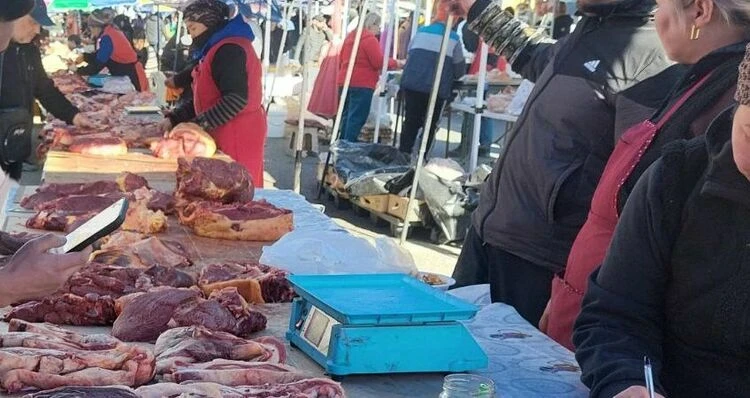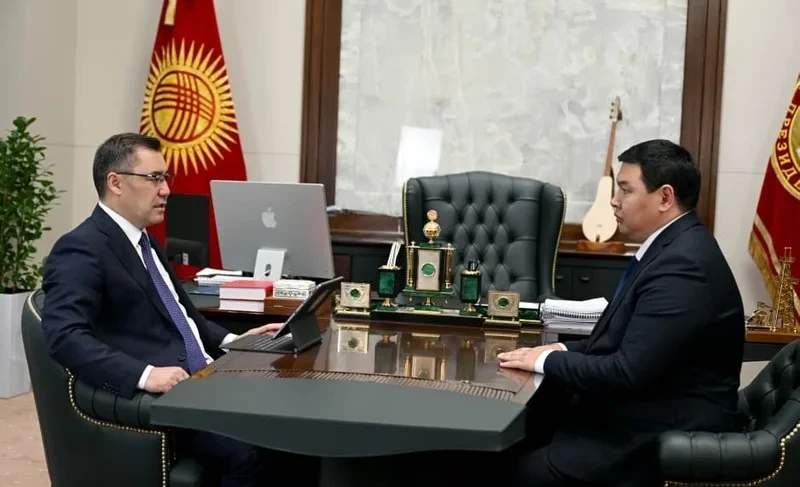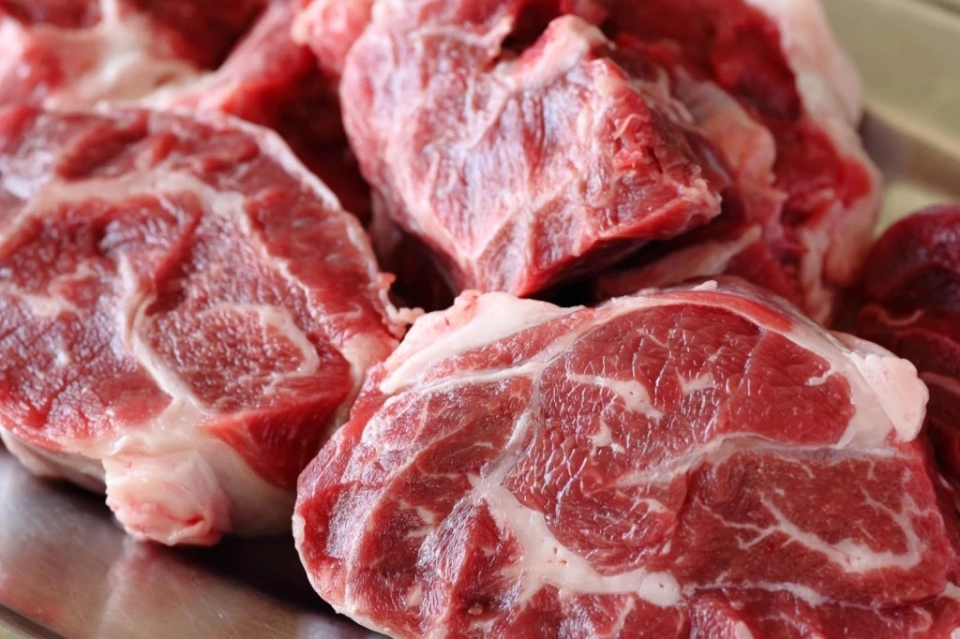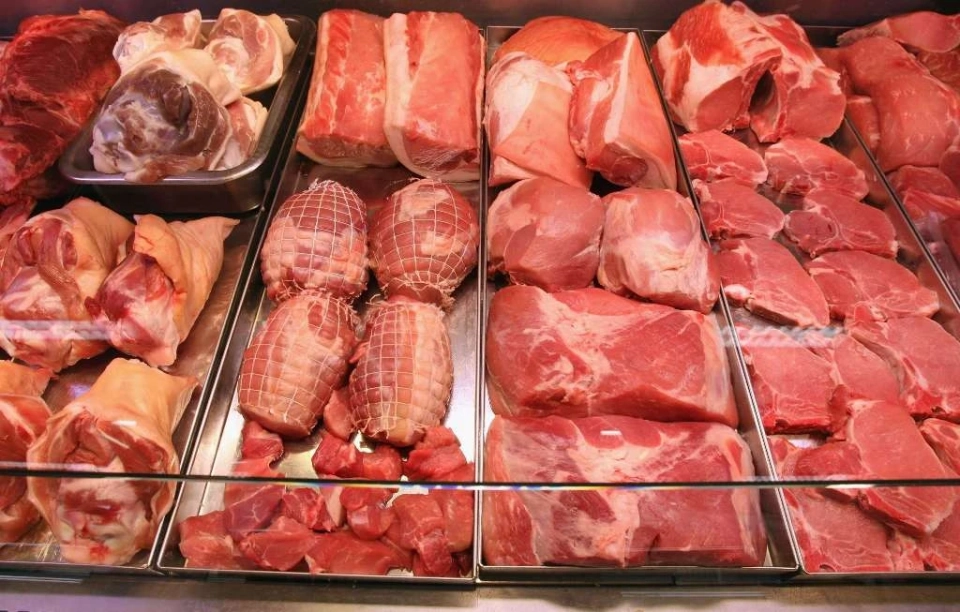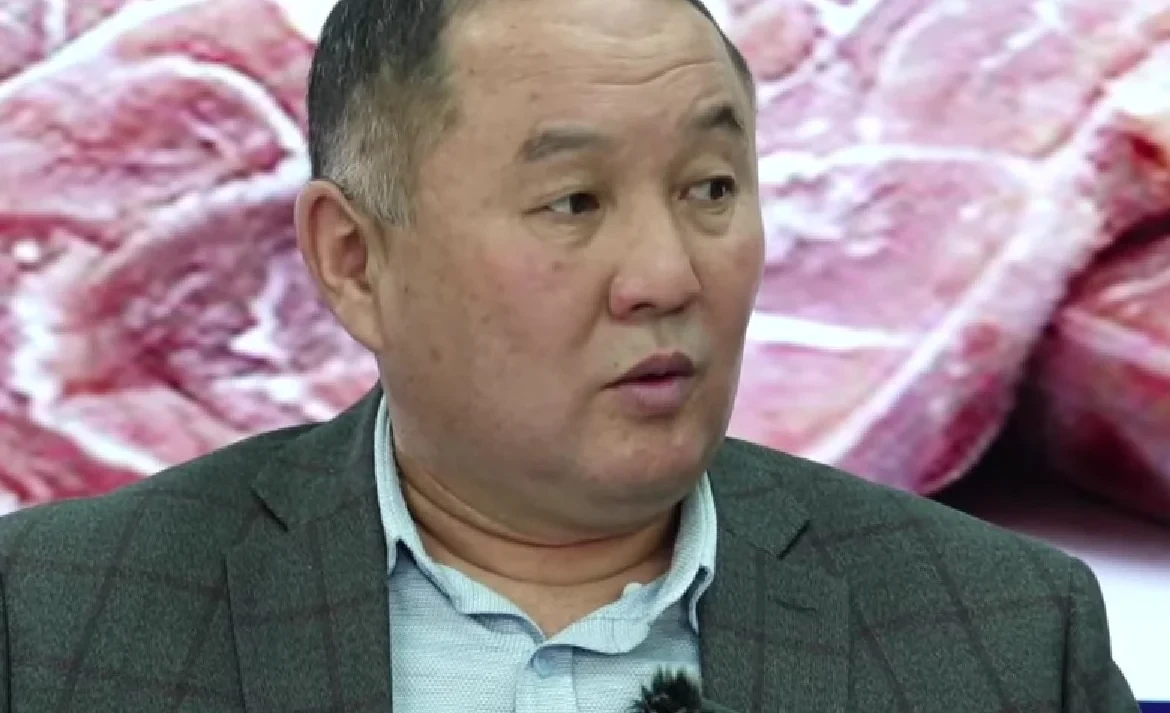
According to Uraan Chekirbaev, who heads the food security department at the Ministry of Agriculture of the Kyrgyz Republic, several factors have contributed to the increase in meat prices. In an interview as part of the "Elden Sobol" program, he noted that the main factor is the deterioration of climatic conditions, which leads to the degradation of pastures near populated areas.
Chekirbaev explained that climate change, particularly drought conditions, has negatively affected livestock farming. For example, the reduction of cattle herds in North and South America due to drought has led to an increase in meat prices in the global market, which has also impacted our country.
The reduction of the feed base on pastures causes a decrease in animal weight, which forces farmers to reduce the number of livestock. This, in turn, also affects the market supply.
"Farmers are facing problems with the degradation of nearby pastures, which limits their ability to use remote pastures, resulting in them being forced to constantly use only the closest ones," he added.
The demand for meat is also increasing, which is related to the improvement of citizens' material well-being. Previously, when buying 2 kg of meat, people can now afford to buy 4 kg," Chekirbaev noted.
At the same time, he emphasized that prices in Kyrgyzstan remain the lowest among the Central Asian states.
"State support for livestock breeders through the provision of low-interest loans is an important aspect. However, forcing farmers to sell livestock at undervalued prices to reduce meat prices is wrong, as they should have the opportunity to replenish their livestock based on their income," he concluded.