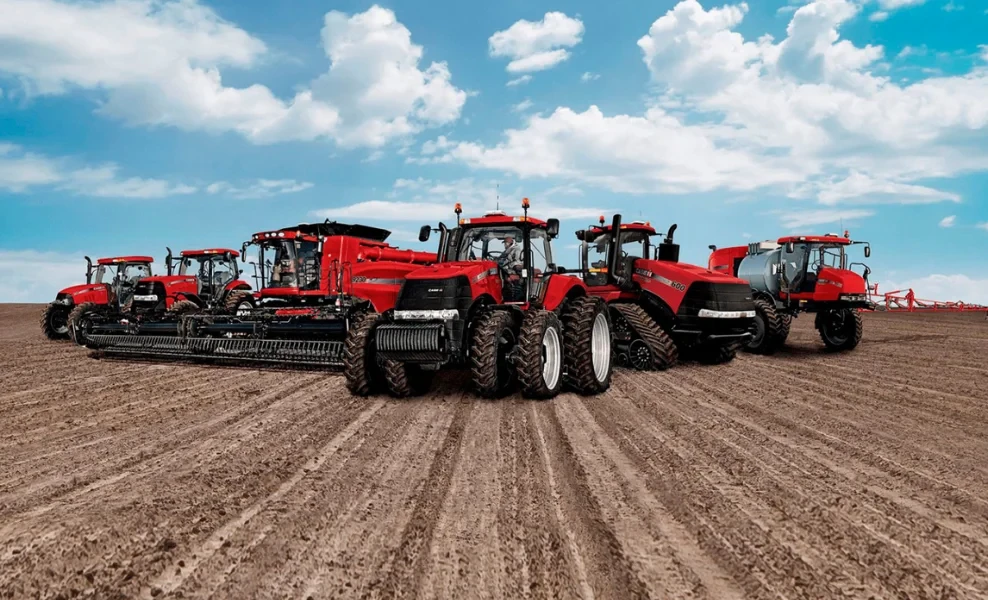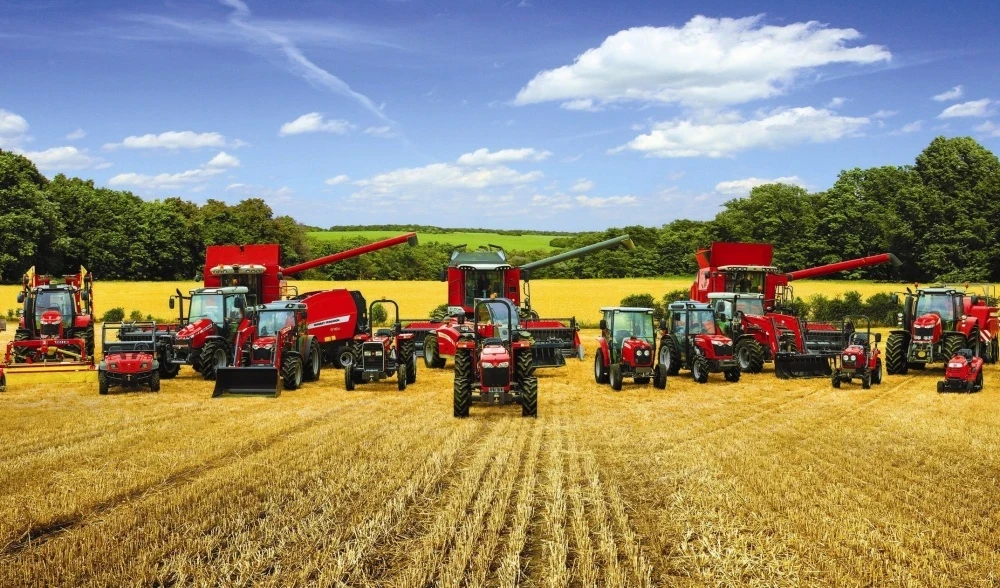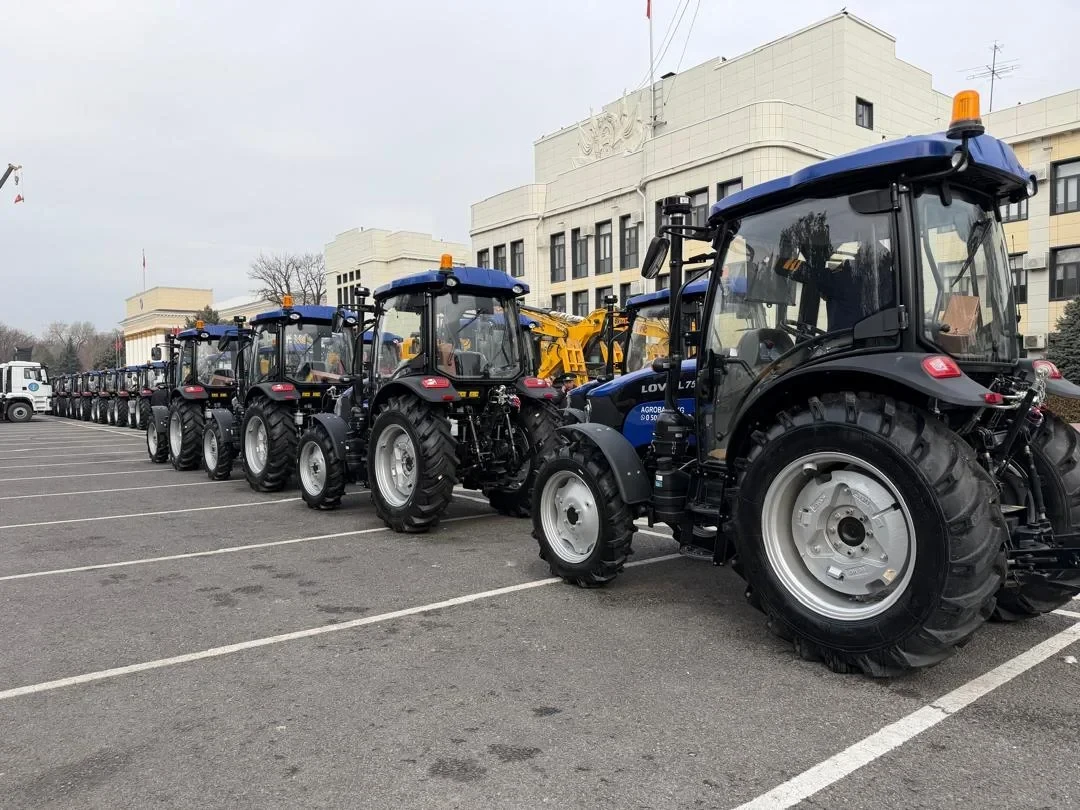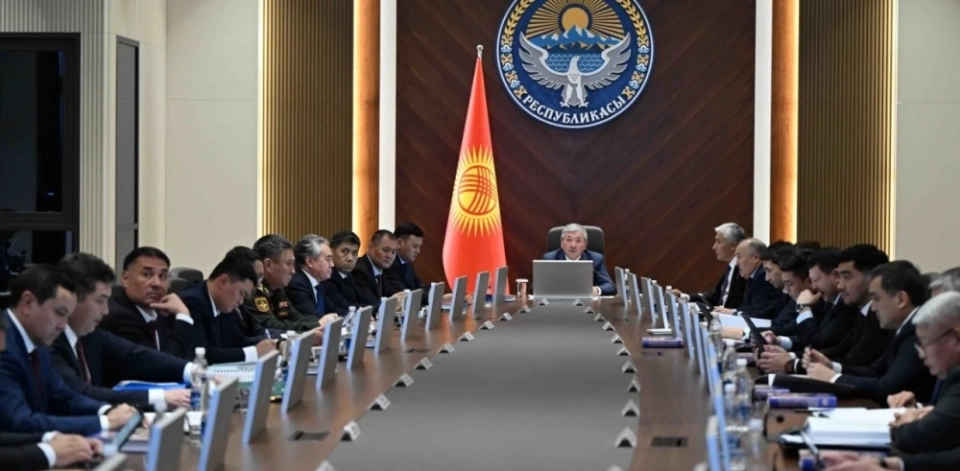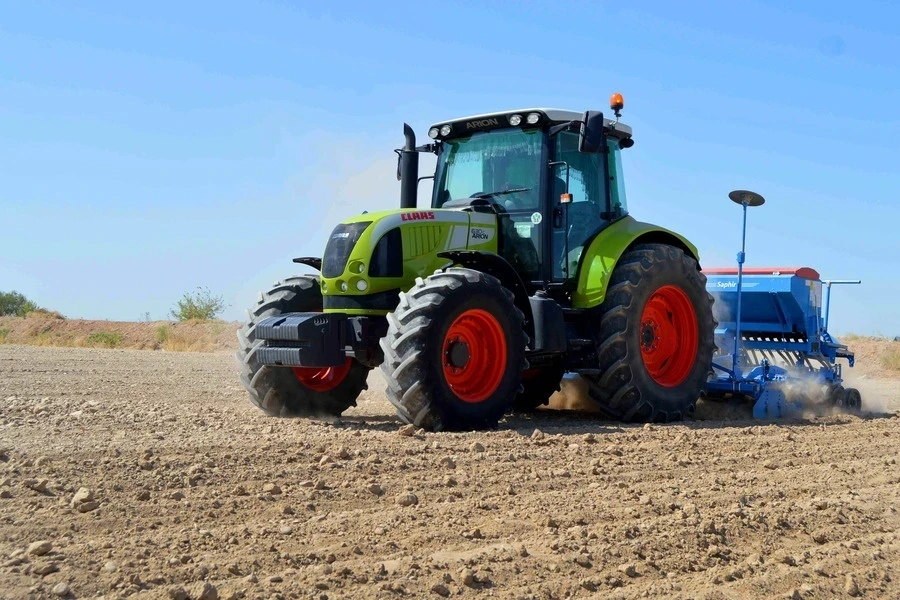
During a meeting chaired by President Shavkat Mirziyoyev, plans were announced to achieve the production of 6,000 units of agricultural machinery by 2026. Furthermore, by 2027, it is expected to double this figure to 14,000 units per year.
The main strategy of Tashkent will be to actively increase localization and reduce product prices. For example, the price of tractors with a power of 80 hp has already been set at 259 million soums, which is significantly lower than the prices of foreign counterparts, which are around 300 million soums. In the coming years, it is planned that the level of localization for trailer equipment will reach 60-65%, while for self-propelled machinery it will be 35%.
To achieve these ambitious goals, the government of Uzbekistan is presenting an extensive system of financial support:
This year, $400 million will be allocated for financing the purchase of new equipment; 1 trillion soums is designated for direct subsidies to farmers; 3.9 trillion soums will be provided by "Agrobank" in the form of preferential loans; 200 billion soums will be directed to support the localization of production.
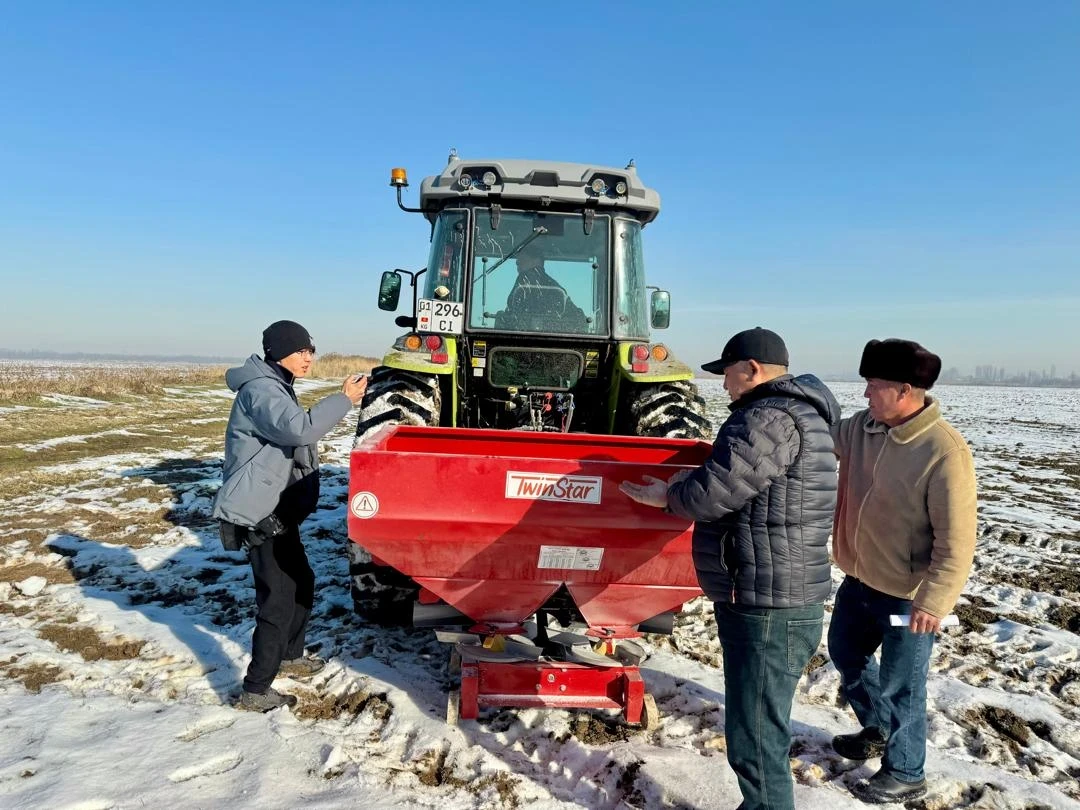
In addition to industrial development, Uzbekistan is focusing on education and services. In collaboration with the German manufacturer CLAAS and the Polytechnic University of Turin, an academy is being established that will train up to 1,000 specialists annually. Additionally, the creation of agro-service zones is planned in each region of the country, where farmers will be able to receive a wide range of services, including consultations and soil analysis.
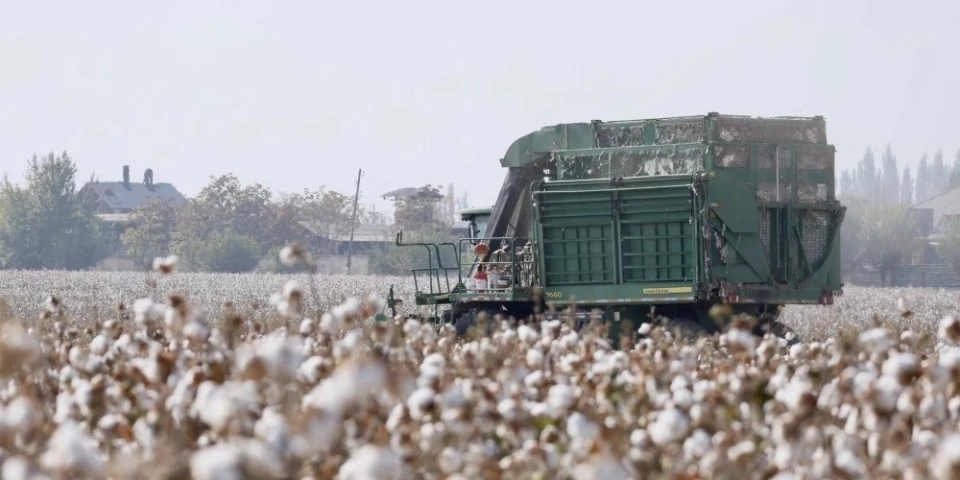
Data from some regions of the country have already shown that increasing the level of mechanization to 90% contributes to a 25% increase in the yield of cotton, wheat, and rice, confirming the economic viability of the chosen direction. The modernization of the sector will not only provide the domestic market with affordable machinery but will also create significant export potential for the region.