Global Trends
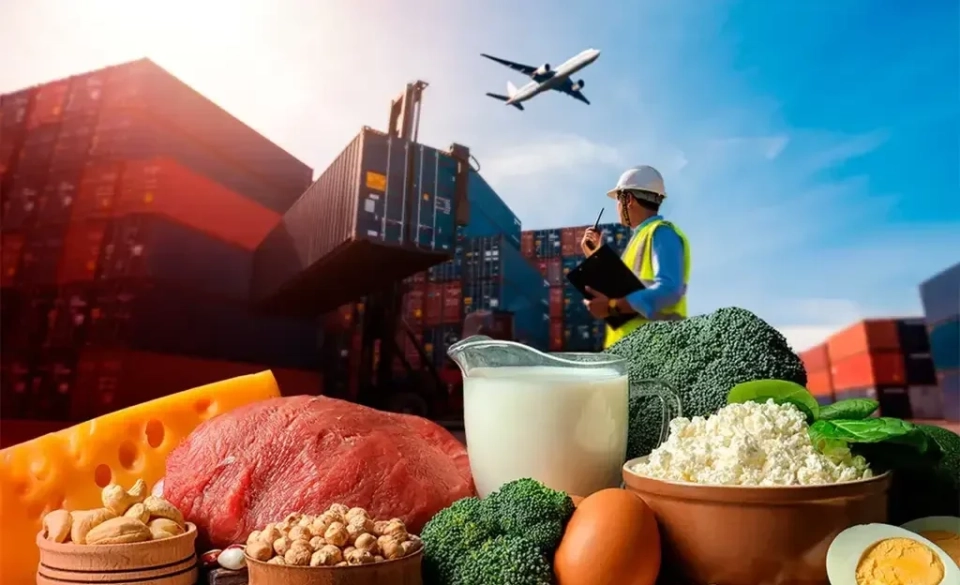
The halal product market has significantly expanded in recent years. This sector of the economy has ceased to be a narrow segment. In 2023, consumers around the world spent about $2.43 trillion on halal-related goods and services, including food, pharmaceuticals, fashion, tourism, and media.According to data, Islamic finance assets reached $4.93 trillion by 2023, and it is expected that they will grow to $7.53 trillion by 2028, increasing by 8.9% per year.
Malaysia has been leading the Global Islamic Economy Indicator (GIEI) for the eleventh consecutive year, showing high results in halal products, Islamic finance, and Islamic tourism. Saudi Arabia, Indonesia, the UAE, and Bahrain follow in second place.
Standards in Kyrgyzstan
Kyrgyzstan is actively following global trends in the halal industry. Discussions on the need to develop halal standards began more than 15 years ago. In 2009, a sector for the development of the halal industry was established within the Ministry of Economy, and since 2012, the Halal Industry Development Center has been operational.During this time, regulations and standards for various products and services within the halal industry have been developed in the country. In 2024, a special Law "On the Halal Industry in the Kyrgyz Republic" was adopted, and in December of the same year, the Cabinet of Ministers approved a resolution regarding the certification and labeling of halal products.
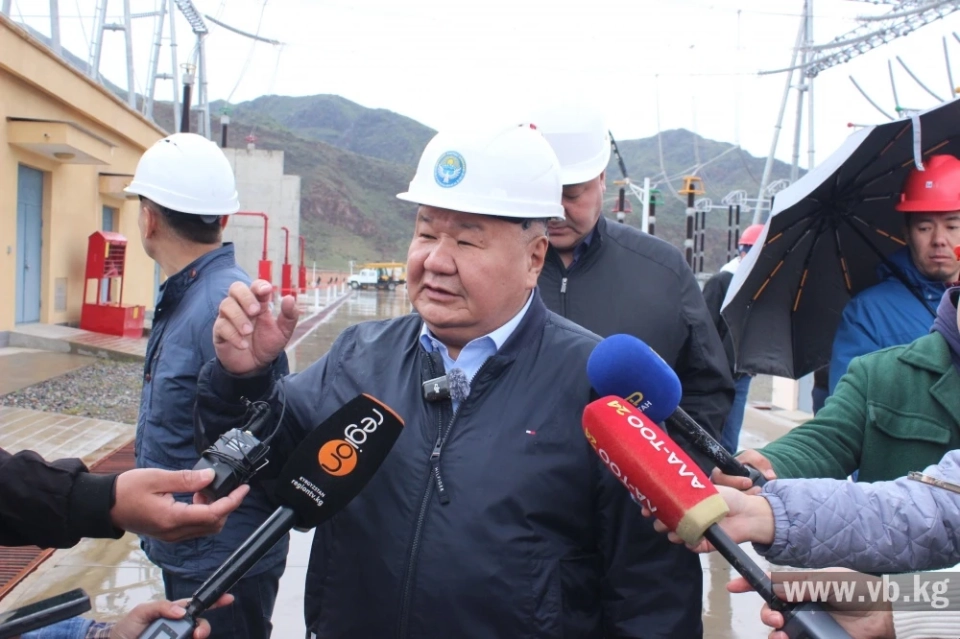
Representatives of the Halal Industry Development Center noted: "We have reliable legislation and legal foundations for regulating this sphere. We will soon begin active measures to organize the situation."
How to Check a "Halal" Certificate?
Today, many goods and services bear the "halal" label. However, this does not always guarantee compliance with the norms. In Kyrgyzstan, there is a way to check whether a product truly meets halal standards.Currently, there is only one accredited center in the country that can conduct checks for compliance with halal norms — the Center for Standardization and Metrology. It certifies the following categories of goods and services:
- meat and meat products;
- poultry and eggs;
- fish and fish products;
- grains and bakery products;
- sugar and confectionery;
- fruits and vegetables;
- fatty products;
- tourism services;
- trade services;
- catering services.
For the convenience of entrepreneurs, a government portal has been created where one can apply for a halal compliance certificate. After the audit, the certification body issues a certificate valid for one year, with the possibility of extension upon re-inspection.
Each certificate has a unique QR code that contains information about the product, including:
- certificate number;
- manufacturer details;
- information about the certification body;
- product composition;
- date of certificate issuance and its validity period;
- additional information.
What does this mean for consumers? Now, upon seeing the "halal" label, one can check its legitimacy. The codes on the packaging will provide complete information. If the QR code is absent, it is a reason to doubt the quality of the product.
It is important to remember that according to the law, it is prohibited to use the "halal" label on products that have not been certified, as well as misleading inscriptions.
Future Plans
In the near future, Kyrgyzstan plans to strengthen control over how goods are labeled with the "halal" sign. Work is underway on a draft law that proposes introducing liability for producing halal products without certificates.According to the draft law, it is proposed to introduce liability for the release of halal products and services without the appropriate certificates and for violations during certification.
The Halal Industry Development Center reported: "At the moment, we already have 16 halal standards for various categories of products. In the near future, we plan to adapt halal standards for cosmetics and confectionery."
Moreover, Kyrgyzstan has become the first country in the EAEU to approve unified halal standards at the legislative level and offers other countries in the region to benefit from its experience in this area.