This change negatively affects both migrants and those who receive money transfers from them in Kyrgyzstan.
According to the National Bank, the total volume of transfers to Kyrgyzstan in 2025 amounted to $3 billion 491.2 million, with the majority—$3 billion 293.1 million—coming from CIS countries, particularly Russia.
What losses do migrants incur when transferring from Russia?
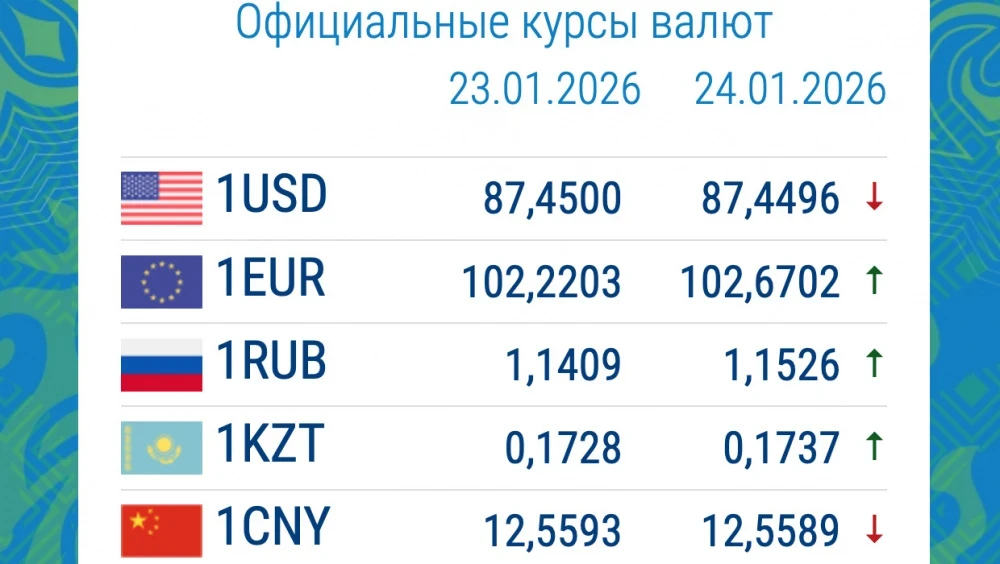
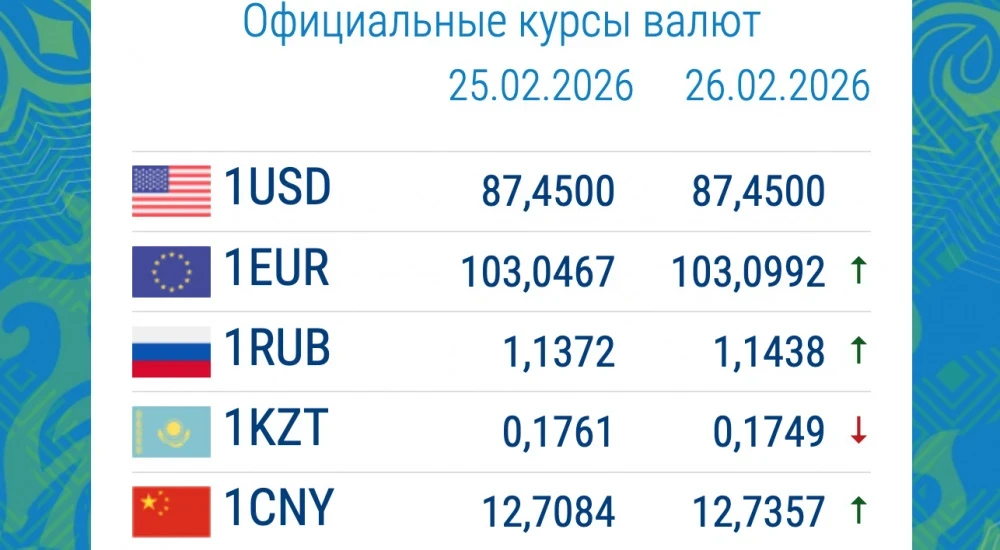
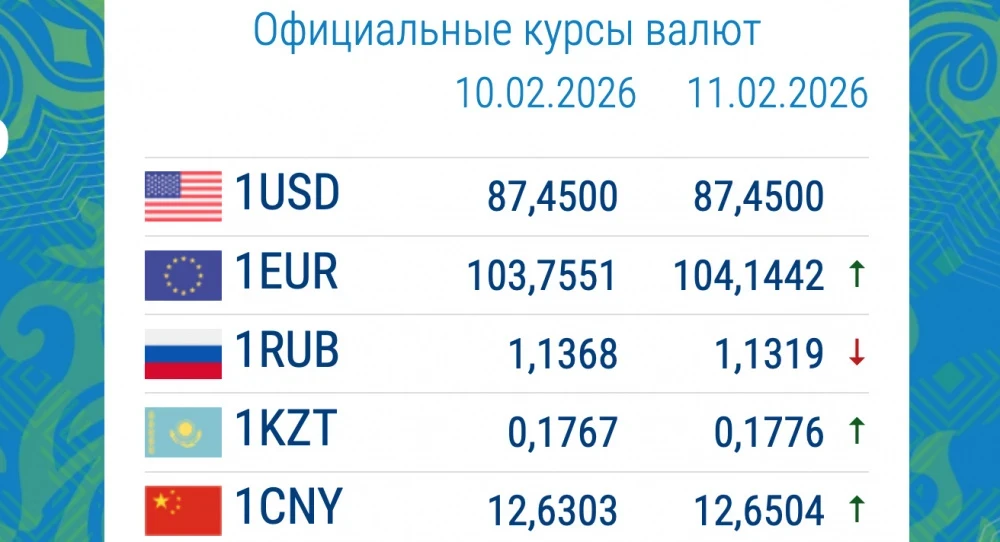
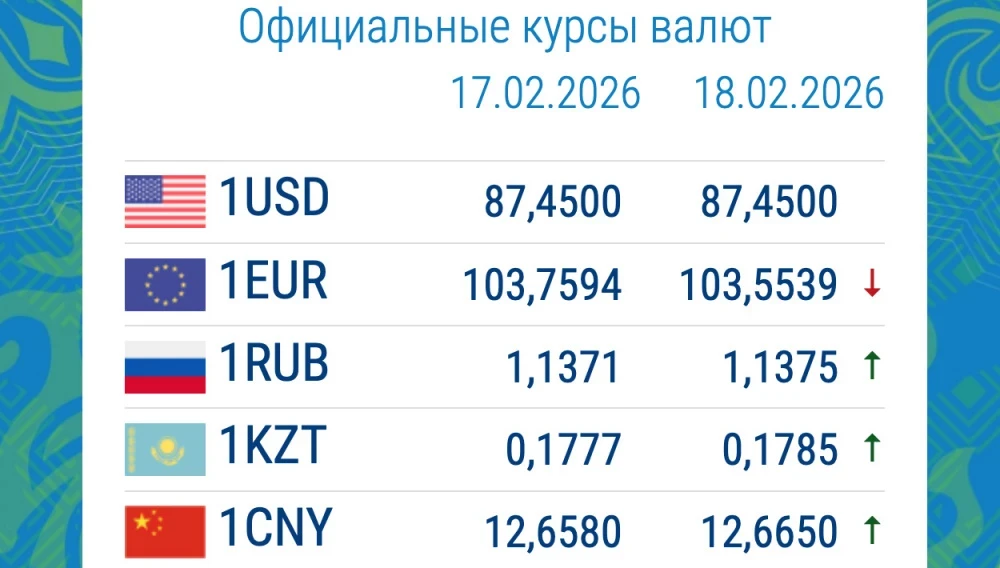
For example, if a migrant sends 100,000 rubles at the beginning of 2026, they would receive 114,380 soms.
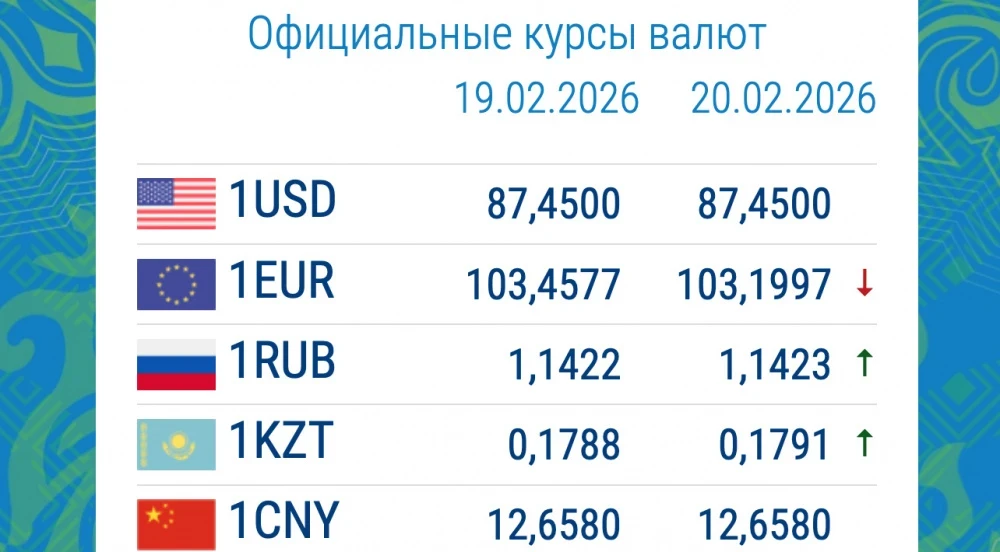
At the current exchange rate, this amount is only 103,320 soms.
Thus, the net loss amounts to 11,060 soms for each 100,000 rubles sent.
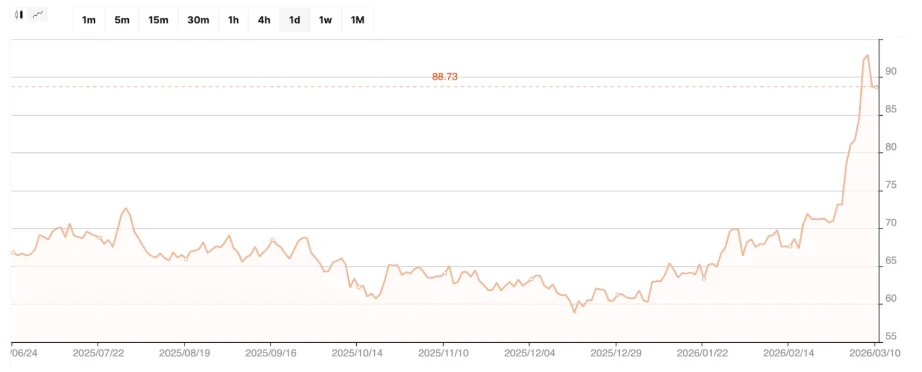
The decline in the ruble's exchange rate, according to statements by the head of the Central Bank of Russia, Elvira Nabiullina, is linked to low oil prices at the beginning of 2026. Currency revenue from exports is received with a delay of about two months, which puts pressure on the currency market.
Additionally, the situation has been complicated by the temporary suspension of the budget rule, which deprived the market of usual currency interventions.
Reference 24.kg
The budget rule is a mechanism that redistributes revenues from raw material sales to reduce the economy's dependence on raw material prices. Its main task is to protect the budget from fluctuations in raw material prices, which is especially important for countries dependent on resource exports.
Furthermore, the ruble's exchange rate has been pressured by the Central Bank's decision to lower the key interest rate to 12 percent per annum. The easing of monetary policy against the backdrop of inflationary risks has led to the ruble falling to multi-month lows against the dollar and yuan.
Unfortunately, it is currently impossible to predict when the ruble will start to strengthen. However, considering the attack by the USA and Israel on Iran and the subsequent rise in oil prices, as well as the aforementioned delay of 2-3 months in currency revenue, the ruble may strengthen by summer. Nevertheless, experts are hesitant to make optimistic forecasts.
The impact of a weak ruble on trade
For local entrepreneurs who purchase goods in Russia, the current situation may be beneficial.
Calculation of savings (based on a purchase of 1 million rubles):
At the same time, exporters sending products to Russia face losses when converting their revenue into soms. This may require a revision of pricing policies or seeking additional markets in countries with stronger currencies, such as Kazakhstan, considering the rise of the tenge.
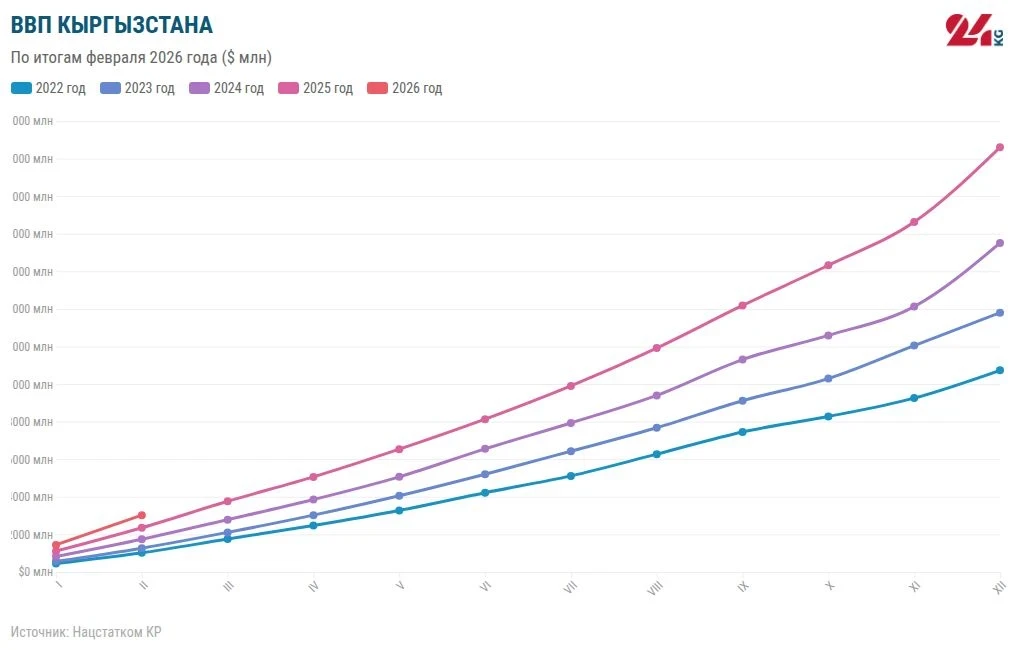
This situation may lead to an increase in Russia's share of Kyrgyzstan's foreign trade turnover. Since the beginning of 2026, Russia accounts for 68.6% of trade with the countries of the Eurasian Economic Union.
For Kyrgyzstan, it is worth noting the opposite situation—the republic has already lost a significant share of export supplies in 2025, and the situation with Russia seems to be worsening.
Behavior of other currencies
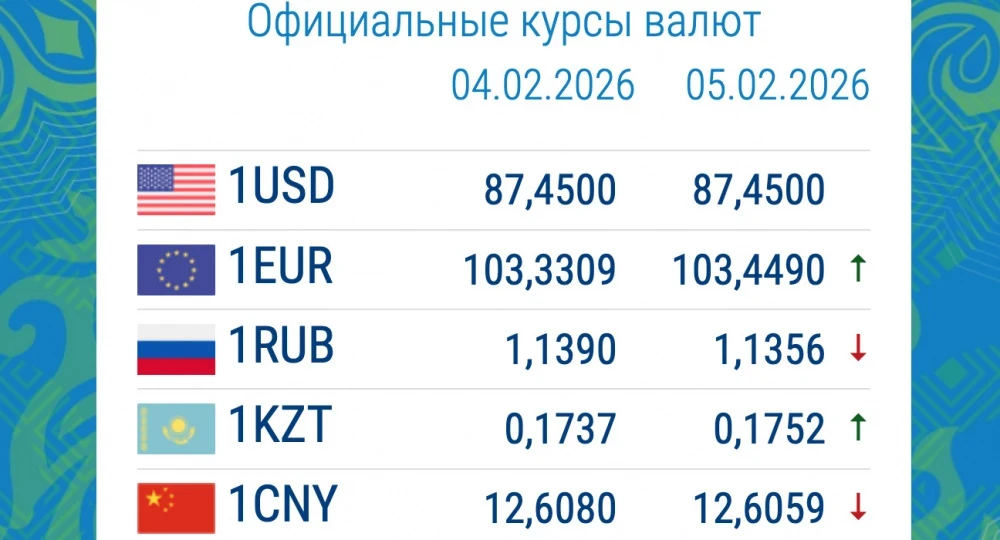
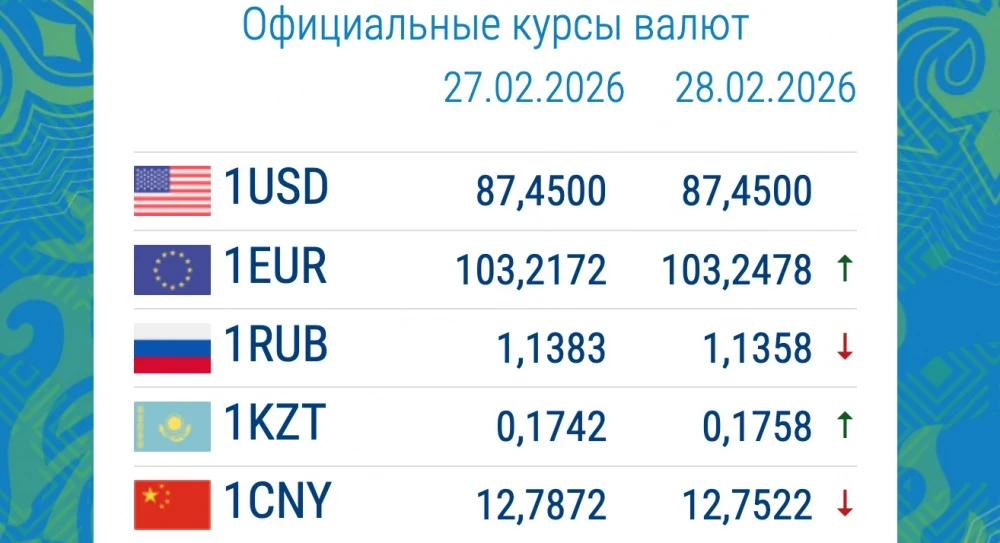
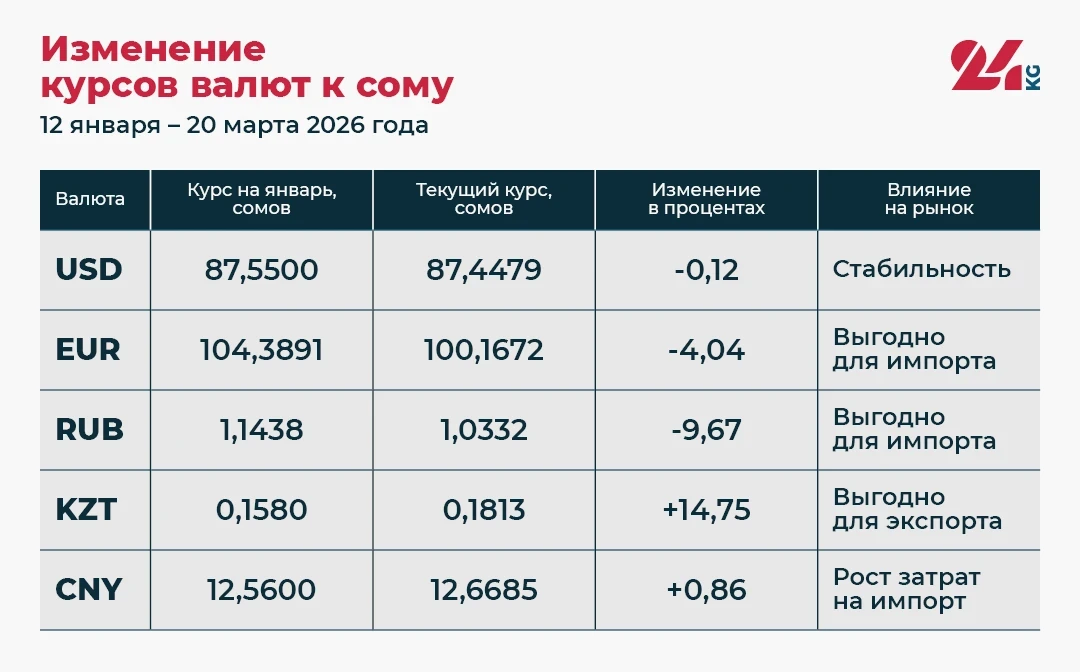
The som has maintained its stability against the dollar throughout the past year. The National Bank periodically conducts large currency interventions to support this rate. Since the beginning of 2026, $546.55 million has been spent on these interventions.
Now let’s look at how currency fluctuations have affected trade with other countries.
US Dollar (contract for $100,000)
The American currency has remained a model of stability since the beginning of 2026.
The difference in contract value was only 10,210 soms in favor of importers. Fluctuations in the dollar segment are hardly felt by large businesses.
Euro (contract for 100,000 EUR)
Since January, the European currency has significantly fallen in price, which is advantageous for buyers of goods from the European Union.
Importers of European goods save 422,190 soms on the contract, while exporters to the EU lose a similar amount when converting revenue.
Kazakh Tenge (contract for 10 million KZT)
Since mid-January, the tenge has shown one of the sharpest increases among currencies in the region.
For importers of goods from Kazakhstan, purchases have become more expensive by 233,000 soms, while Kyrgyz exporters gain significant advantages when selling goods in Kazakhstan.
Russian Ruble (contract for 1 million RUB)
At the beginning of the year, the ruble shows high volatility, while the som has significantly strengthened.
Importers from Russia save 110,600 soms on each million rubles, while exporters to Russia face losses of almost 10% of their expected income.
Chinese Yuan (contract for 100,000 CNY)
The yuan shows moderate but stable strengthening, which increases the cost of supplies from China. This is expected to lead to a rise in prices for goods from the Middle Kingdom.
The purchase of equipment and consumer goods from China has increased by 10,850 soms, however, the benefit remains on the side of exporters.