Investors can take advantage of the current market fluctuations in several ways.
At the beginning of 2026, conflicts in the Middle East escalated, contributing to increased geopolitical tension and a significant rise in prices for key energy resources.
How does this rise in oil and other asset prices affect investors under the current conditions?
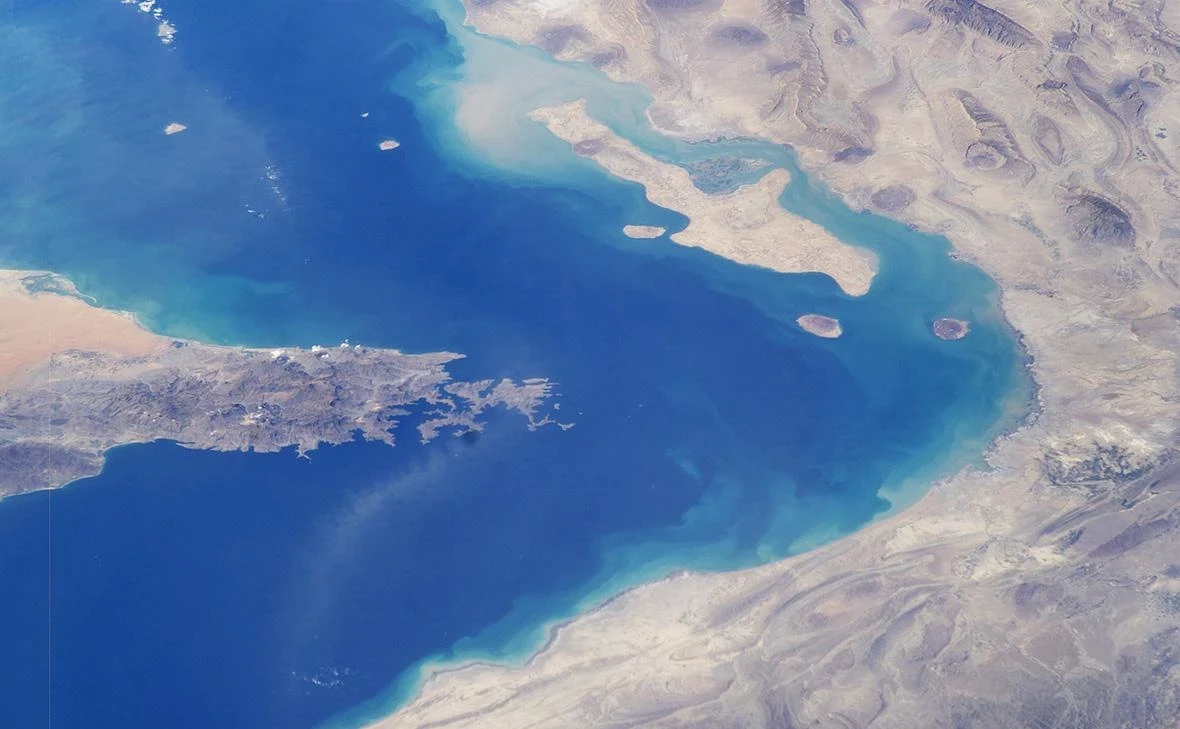
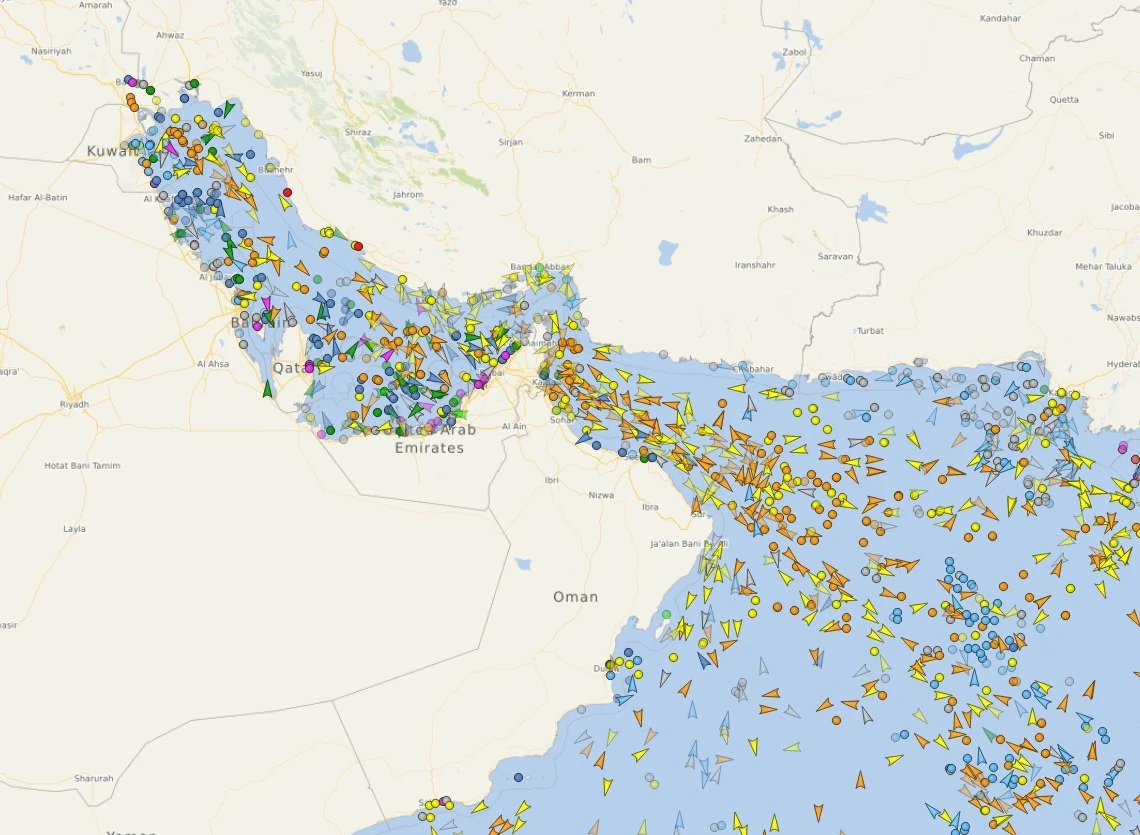
The conflict intensified at the end of February 2026, when the United States and Israel conducted airstrikes on Iran, prompting retaliatory actions and worsening the situation in the region. Iran's closure of the Strait of Hormuz, through which about 20% of the world's maritime oil passes, became a critical factor influencing pricing. Given the attacks on infrastructure and the risk to shipping security, investors anticipate a potential decrease in oil supplies. This uncertain situation drives prices up, as market participants are willing to pay more, fearing a sharp reduction in supply.
As a result, on March 1, 2026, the first working day after the escalation of the conflict, Brent crude oil rose by about 10%, reaching $78 per barrel. In comparison, at the beginning of January 2026, before the situation escalated, the price per barrel was around $60. Thus, if an investor had invested $1,000 in oil during that period, they could have realized a 20% profit in just two months.
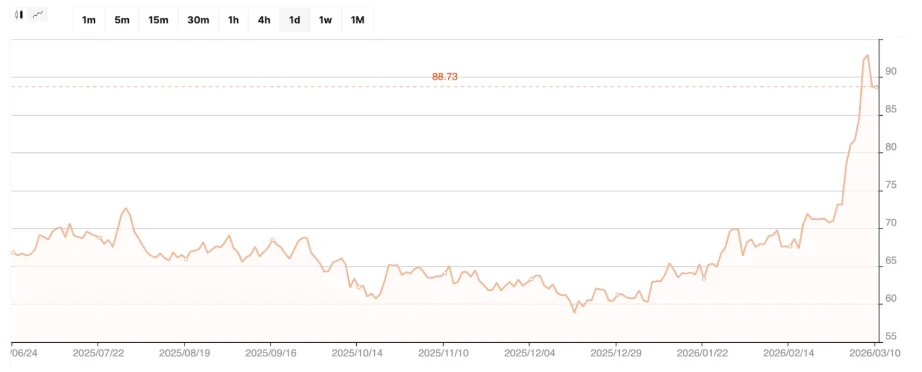
Other energy resources, such as WTI oil, have shown a similar trend. This means that amid instability, there is an increasing interest in various instruments in the energy market.
What strategies can be used to profit from trading energy resources?
Investors can adapt their approaches to the current volatility in the oil market in various ways. The most obvious method is to open long positions if further price increases are anticipated amid the conflict and supply disruption risks. Historically, oil markets are very sensitive to geopolitical events, especially when they concern key production and transportation regions, leading to sharp price changes.
Additionally, experienced traders often employ short-term strategies, considering that oil prices can change dramatically after the release of important news. Such fluctuations provide opportunities to profit from both rising and falling prices. Some investors use combined strategies or hedging, diversifying their assets across different segments of the energy sector to minimize risks and maintain portfolio stability in times of high uncertainty.
Thus, geopolitical tension in the Middle East has become a significant factor in rising oil prices. Under these conditions, investors are advised to combine news analysis with proper risk management for successful trading in financial markets.
photo www